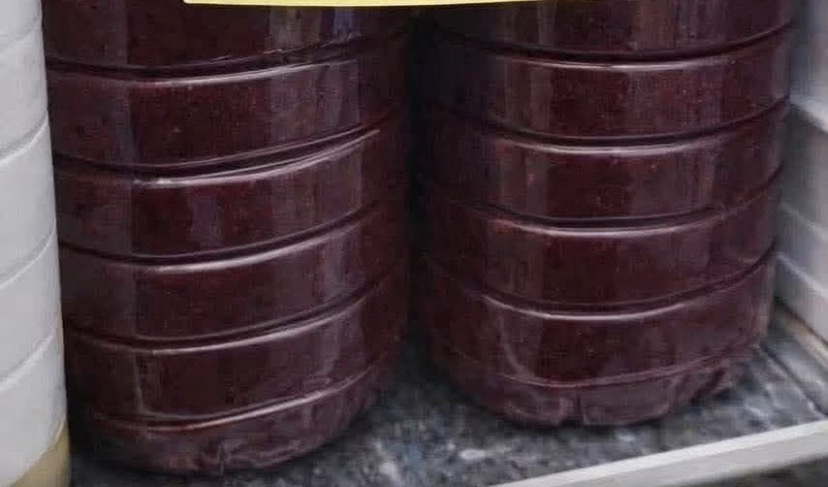
Açaà has taken the global health and wellness world by storm, evolving from an Amazonian staple into one of the most sought-after superfoods on the market. Packed with antioxidants, healthy fatty acids, fiber, and essential minerals, this deep purple fruit offers an array of nutritional benefits. However, because fresh açaà berries deteriorate rapidly after harvesting, most of the product distributed globally arrives in the form of frozen pulp or concentrated liquid extracts. Proper handling and storage are crucial to maintaining its rich flavor, vivid color, and high nutrient profile.
Understanding Açaà Pulp Quality and Types
Not all açaà pulp is created equal. Depending on the processing method and water concentration, açaà pulp generally falls into three main grades:
- Açaà Grosso (Special or Pure): Contains the highest concentration of fruit solids (above 14%), offering a thick texture, deep dark purple color, and intense earthy flavor.
- Açaà Médio (Medium): Contains between 11% and 14% fruit solids, providing a balanced consistency suitable for daily consumption and blending.
- Açaà Fino (Light): Contains between 8% and 11% fruit solids, which is more diluted and often used for juices or beverages rather than thick bowls.
Choosing high-quality pulp without added sugars, emulsifiers, or artificial preservatives ensures you get the purest product possible. Once acquired, maintaining proper storage temperatures prevents oxidation and flavor degradation.
Best Practices for Storing Pure Açaà Containers
Whether you purchase commercial batches or stock up on bulk plastic containers of pure pulp, preserving freshness requires careful environment control.
Ideal Freezing Temperatures
Açaà pulp contains high levels of healthy mono- and polyunsaturated fats (similar to those found in olive oil and avocados). Because these healthy fats can oxidize when exposed to heat and oxygen, raw açaà pulp must remain frozen at temperatures of -18°C (0°F) or lower.
Airtight Sealing
Oxygen is the primary enemy of frozen berry purées. Exposure to air leads to freezer burn, loss of vibrant color, and an unpleasant altered flavor. Ensure your containers or vacuum-sealed pouches remain tightly sealed throughout storage.
Light Exposure Management
Direct exposure to strong light degrade anthocyanins—the natural pigments responsible for the dark purple hue and antioxidant properties of açaÃ. Store your containers inside dark freezers or opaque drawers rather than glass-door display units when long-term storage is required.
Temperature Control and Freezing Best Practices
When dealing with large volumes or bulk containers of frozen pulp, temperature fluctuations can severely impact consistency and taste.
- Avoid Frequent Thawing: Refreezing previously thawed açaà pulp creates large ice crystals, ruining the creamy texture and causing separation between the water content and fruit solids.
- Portion Management: If you purchase açaà in large multi-liter jugs or buckets, thaw the container just enough to divide the batch into smaller, single-serving portions or ice trays. Freeze these portions immediately for convenient daily use.
- Bottom Shelf Storage: Place your containers at the back or bottom of the freezer, where temperatures remain most stable even when the freezer door opens frequently.
Nutritional Benefits of Authentic Açaà Pulp
Including pure, unrefined açaà pulp in your diet offers numerous science-backed health advantages:
- Rich in Anthocyanins: These powerful antioxidants fight free radicals, lower oxidative stress, and support cardiovascular health.
- Heart-Healthy Fats: High in oleic acid (Omega-9) and linoleic acid (Omega-6), açaà supports healthy cholesterol levels.
- Low Natural Sugar Content: Pure, unsweetened açaà pulp is naturally low in sugar, making it ideal for low-carb, keto, or balanced lifestyle diets.
- Dietary Fiber: Promotes healthy digestion and sustains gut microbiome health.
How to Thaw and Use Açaà Pulp for Smoothies and Bowls
To achieve the iconic thick, velvety texture associated with authentic Brazilian açaà bowls, the thawing technique is key.
- Slight Softening: Remove the frozen pulp container from the freezer and allow it to sit at room temperature for 3 to 5 minutes, or run the sealed package briefly under cool water.
- Break into Chunks: Break the partially frozen pulp into manageable chunks before placing it into a high-powered blender.
- Minimal Liquid: Add a tiny splash of liquid (such as coconut water, almond milk, or apple juice) to help the blender blades catch without turning the blend into a watery smoothie.
- Blend on Low to High: Use a tamper to push the frozen chunks toward the blades, creating a dense, sorbet-like consistency.
Signs of Spoilage and Quality Loss
While frozen açaà has a long shelf life—typically up to 12 to 24 months when stored properly—it can spoil if mishandled. Be aware of the following red flags:
- Color Shift: If the deep purple color turns brown or dull gray, the pulp has likely oxidized due to air exposure or temperature spikes.
- Off Odor or Fermented Taste: A sour, alcoholic, or rancid smell indicates bacterial growth or fermentation caused by thawing at room temperature for prolonged periods.
- Ice Crystal Build-Up: Heavy frost inside the container signals temperature fluctuations during transport or storage.
By following these fundamental storage and handling guidelines, you ensure every spoon of açaà delivers maximum flavor, smooth texture, and optimal nutritional benefits.