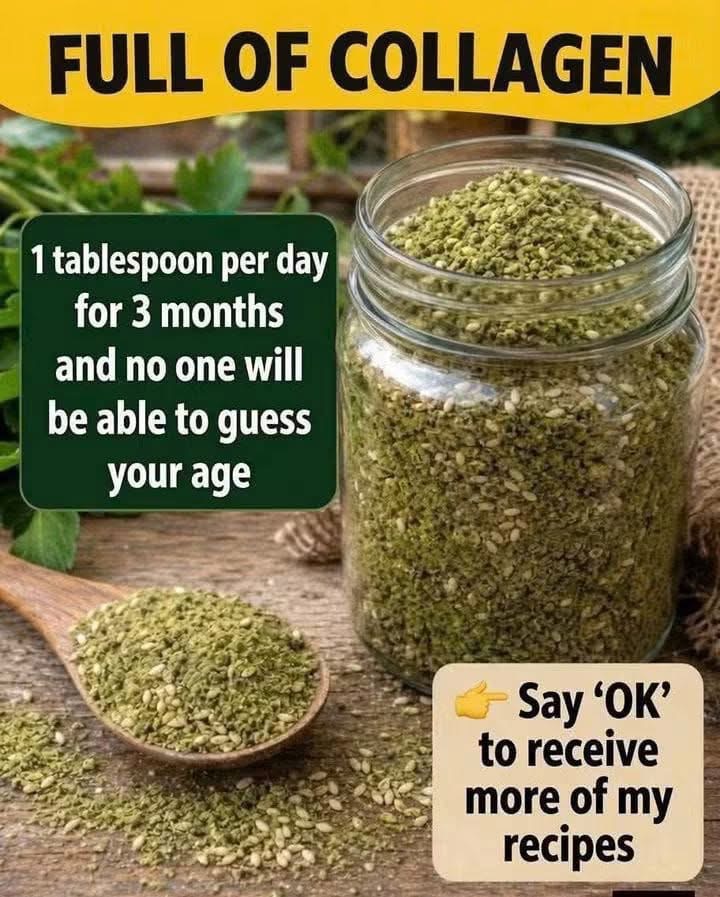
Hemp seeds are small, nutritious seeds that have become increasingly popular among people interested in healthy eating, skin care, and natural beauty routines. They have a mild, nutty flavor and can be added to smoothies, yogurt, salads, oatmeal, and many other everyday foods.
These seeds are valued for their nutritional composition, including plant-based protein, healthy fats, fiber in whole hemp seeds, and several important minerals. They also contain essential fatty acids that play a role in normal body functions.
Many online posts describe hemp seeds as a natural source of collagen and suggest that eating one tablespoon every day for three months can make a person look significantly younger. However, these claims need clarification. Hemp seeds do not contain collagen because collagen is an animal-derived structural protein. Nevertheless, their nutrients can contribute to a balanced diet that supports normal skin health.
In this article, you will learn about hemp seeds, their nutritional value, their potential benefits for skin and hair, how to include them in your diet, and what to know before consuming them regularly.
What Are Hemp Seeds
Hemp seeds come from the hemp plant, Cannabis sativa. Food-grade hemp seeds are cultivated for nutritional use and are different from marijuana products intended to produce intoxicating effects.
Hemp seeds contain little to no THC when produced and tested according to applicable food regulations, although trace amounts may vary by product and processing. It is important to purchase food-grade hemp seeds from a reputable supplier.
The seeds are available in several forms, including whole hemp seeds, hulled hemp seeds, hemp seed oil, and hemp protein powder.
Hulled hemp seeds, sometimes called hemp hearts, have had their outer shells removed. They have a soft texture and are easy to sprinkle over meals.
Whole hemp seeds contain more fiber because the outer shell remains intact. Hemp seed oil provides fats but does not contain the same amount of protein or fiber as the whole seed.
Each form has different nutritional characteristics, so the best choice depends on your dietary preferences and goals.
Do Hemp Seeds Contain Collagen
One of the most common claims in online beauty content is that certain seeds are full of collagen. This is not accurate when referring to hemp seeds.
Collagen is a structural protein found naturally in human and animal connective tissues, including skin, tendons, cartilage, and bones. Plants do not produce animal collagen.
Hemp seeds are a source of plant-based protein and contain amino acids that the body can use for normal protein metabolism. However, eating hemp seeds is not the same as consuming collagen peptides or other collagen-containing products.
The body produces collagen using amino acids and requires certain nutrients, including vitamin C, for normal collagen formation.
A balanced diet that supplies adequate protein, vitamin C, and other essential nutrients can support normal skin structure. Hemp seeds can contribute some of these dietary building blocks, but they do not directly replace collagen.
Nutritional Value of Hemp Seeds
Hemp seeds provide several nutrients that can contribute to a varied diet.
Plant Based Protein
Hemp seeds contain plant-based protein, which supplies amino acids needed for tissue maintenance and many other biological functions.
Protein is important for muscles, skin, hair, enzymes, and other body structures. The amount of protein you obtain from hemp seeds depends on the serving size and the product.
Adding hemp seeds to oatmeal, yogurt, or salads can help increase the protein content of a meal.
However, hemp seeds should be considered one of many possible protein sources rather than a complete solution for all nutritional needs.
Healthy Fats
Hemp seeds contain unsaturated fats, including omega-6 and omega-3 fatty acids.
These fats play important roles in normal body functions, including maintaining cell membranes. Replacing some sources of saturated fat with unsaturated fats can be part of a heart-conscious eating pattern.
Hemp seeds are energy-dense, so portion size matters if you are monitoring your total calorie intake.
Minerals
Hemp seeds provide minerals such as magnesium, phosphorus, iron, and zinc, although amounts vary by product and serving size.
These minerals contribute to normal physiological functions. For example, magnesium is involved in muscle and nerve function, while zinc supports immune function and normal wound healing.
Eating a variety of nutrient-rich foods is generally the best way to obtain essential minerals.
Fiber in Whole Hemp Seeds
Whole hemp seeds contain dietary fiber, which contributes to normal digestive function.
Hulled hemp seeds contain less fiber because the outer shell has been removed. If fiber intake is a priority, compare product labels and consider other fiber-rich foods such as oats, beans, vegetables, fruits, and whole grains.
Potential Benefits of Hemp Seeds for Skin Health
Healthy skin depends on many factors, including genetics, age, nutrition, sun exposure, sleep, and daily skin care habits.
Hemp seeds can contribute useful nutrients to a balanced diet, but their effects should not be exaggerated.
They Provide Nutrients Needed for Normal Skin Function
Skin is a complex organ that requires protein, essential fats, vitamins, and minerals to maintain its normal structure and function.
The protein in hemp seeds supplies amino acids, while their unsaturated fats contribute to overall dietary fat intake.
These nutrients can help meet general nutritional needs when hemp seeds are consumed as part of a varied diet.
However, there is limited direct clinical evidence that eating hemp seeds specifically reduces wrinkles, reverses skin aging, or makes a person look younger within three months.
They Can Support a Balanced Beauty Routine
A nutritious diet can complement a sensible skin care routine. Hemp seeds can be added to meals alongside fruits, vegetables, legumes, whole grains, and other protein sources.
For skin health, it is also important to protect the skin from excessive sun exposure, avoid smoking, maintain appropriate hydration, and use suitable skin care products.
No single food can prevent all signs of aging. Skin changes occur naturally over time, and individual results vary.
They Provide Unsaturated Fats
Dietary fats are important for normal health, and hemp seeds provide unsaturated fatty acids.
A balanced intake of essential fatty acids contributes to normal cellular function. However, it would be inaccurate to claim that hemp seeds alone cure dry skin or treat inflammatory skin diseases.
People with persistent rashes, severe dryness, or other skin problems should consult a qualified healthcare professional.
Are Hemp Seeds Good for Hair
Hair health depends on genetics, hormonal factors, overall nutrition, health conditions, and hair care practices.
Hemp seeds provide protein and several nutrients involved in normal body functions. Including them in a balanced diet may help contribute to adequate nutritional intake.
However, there is insufficient evidence that hemp seeds directly stimulate hair growth, reverse hair loss, or prevent premature graying.
Hair loss can have many causes, including iron deficiency, thyroid disorders, hormonal changes, stress, and certain medications.
If hair loss is sudden, severe, or persistent, consult a healthcare professional to investigate the cause rather than relying on one particular food.
How to Eat Hemp Seeds Every Day
Hemp seeds are versatile and can be added to many meals without complicated preparation.
Add Hemp Seeds to Breakfast
Sprinkle a small serving of hulled hemp seeds over oatmeal, yogurt, or whole-grain cereal.
You can combine them with fresh berries, sliced bananas, or other fruits to create a nutritious breakfast.
This is a convenient way to add plant-based protein and unsaturated fats to your morning meal.
Mix Them Into Smoothies
Hemp seeds can be blended into fruit smoothies or homemade vegetable drinks.
Combine them with ingredients such as bananas, berries, milk or a suitable plant-based alternative, and a small amount of water.
The flavor is generally mild, so hemp seeds can fit into many different smoothie recipes.
Add Them to Salads
Sprinkle hemp seeds over green salads, roasted vegetables, or grain bowls.
They provide a slightly nutty taste and can add texture to a meal.
For a balanced salad, combine vegetables with a protein source, whole grains, and a suitable dressing.
Use Them in Soups
Hulled hemp seeds can be sprinkled over soup shortly before serving.
They can also be incorporated into homemade sauces or dressings. Avoid assuming that adding hemp seeds turns a meal into a collagen-rich food.
Mix Them Into Yogurt
Combine hemp seeds with plain yogurt and fresh fruit for a simple snack.
Depending on the type of yogurt and serving size, this combination can provide protein, fats, and other nutrients.
Choose plain yogurt if you want to limit added sugar.
How Much Hemp Seeds Should You Eat
There is no universally required daily amount of hemp seeds for skin health or healthy aging.
A common culinary serving is approximately one to three tablespoons, depending on the product and individual dietary needs. Start with a smaller serving if you are not accustomed to eating seeds.
One tablespoon can be an easy addition to breakfast or a snack, but it is not a proven anti-aging treatment.
Hemp seeds contain calories and fats, so include them within your overall eating pattern. If you have a medically prescribed diet, follow the recommendations provided by your healthcare professional.
You do not need to eat hemp seeds for exactly three months to obtain their nutritional value. Their role is to contribute nutrients as part of your usual diet.
Can Hemp Seeds Make You Look Younger in Three Months
There is no strong clinical evidence that eating one tablespoon of hemp seeds daily for three months guarantees younger-looking skin or makes other people unable to guess your age.
Healthy aging is influenced by many factors, including genetics, sun exposure, smoking, sleep, physical activity, nutrition, and skin care habits.
Hemp seeds can provide useful nutrients, but their effects on appearance depend on the wider context of a person’s diet and lifestyle.
For a more evidence-based approach to skin aging, consider wearing broad-spectrum sunscreen, eating a varied diet, avoiding tobacco, and maintaining consistent skin care habits.
If you have concerns about skin changes, a dermatologist can help you identify suitable treatments and realistic expectations.
Hemp Seeds and Digestive Health
Whole hemp seeds contain fiber, which contributes to normal bowel function.
However, hulled hemp seeds contain less fiber than whole seeds, and the total amount you consume depends on the serving size.
For regular bowel movements, it is useful to consume a variety of fiber-rich foods and drink sufficient fluids.
Good sources of fiber include vegetables, fruits, legumes, oats, and whole grains.
Increase fiber intake gradually if you are not accustomed to it, because suddenly eating much more fiber can cause gas or abdominal discomfort.
Hemp seeds are not a guaranteed treatment for constipation or other digestive conditions.
Safety and Possible Precautions
Hemp seeds are commonly eaten as food, but a few precautions are worth considering.
Allergies
People with a seed allergy or a history of allergic reactions to particular foods should check ingredients carefully and seek medical advice if they are uncertain whether hemp seeds are suitable.
Stop consuming the product if you develop an unexpected reaction. Difficulty breathing or swelling of the throat requires emergency medical care.
Calorie Intake
Hemp seeds contain a substantial amount of energy relative to their size because they contain fat.
They can be part of a balanced diet, but large quantities may contribute more calories than expected.
Measure your serving if you need to monitor your overall energy intake.
Product Quality
Choose food-grade hemp seeds from a reputable supplier. Check packaging information, storage instructions, and any relevant local food safety requirements.
Store the seeds according to the manufacturer’s instructions, usually in a cool, dry place. Refrigeration may help preserve freshness after opening, particularly for products that are prone to becoming rancid.
Discard seeds that develop an unusual smell, taste, or appearance.
Medication and Medical Conditions
People who have chronic medical conditions or follow a medically restricted diet should consult a healthcare professional if they are uncertain about adding hemp seeds regularly.
Do not use hemp seeds as a replacement for prescribed medication or a treatment recommended by a clinician.
Frequently Asked Questions About Hemp Seeds
Are Hemp Seeds Full of Collagen
No. Hemp seeds do not contain animal collagen. They provide plant-based protein and other nutrients that can contribute to a balanced diet.
Can I Eat One Tablespoon of Hemp Seeds Every Day
Many people can include a modest serving of hemp seeds in their regular diet. However, there is no special daily dose proven to reverse skin aging. Individual dietary needs vary.
Do Hemp Seeds Remove Wrinkles
There is insufficient evidence that hemp seeds directly remove wrinkles. A balanced diet can support normal health, while sun protection and appropriate skin care are important parts of caring for aging skin.
Are Hemp Seeds Good for Women
Hemp seeds can provide plant-based protein, unsaturated fats, and minerals that may contribute to nutritional needs. Their suitability depends on the individual’s overall diet, health, and preferences.
They should not be promoted as a treatment for hormonal disorders or other medical conditions.
Can Hemp Seeds Help With Weight Management
Hemp seeds provide protein and fats, which can contribute to satisfying meals. However, they are energy-dense, and eating them does not automatically cause weight loss. Portion size and overall eating habits remain important.
Can I Eat Hemp Seeds Without Cooking Them
Food-grade hemp seeds are commonly eaten without cooking. Follow the packaging instructions and store them appropriately to maintain quality.
Are Hemp Seeds the Same as Chia Seeds
No. Hemp seeds and chia seeds come from different plants and have different nutritional compositions. Both can be included in a varied diet, but they are not identical.
Final Thoughts
Hemp seeds are a nutritious and versatile food that can be added to breakfast, smoothies, salads, yogurt, and many other meals. They provide plant-based protein, unsaturated fats, and several minerals that contribute to normal body functions.
Although hemp seeds do not contain collagen, their nutrients can form part of a balanced eating pattern that supports overall health.
There is no reliable evidence that consuming one tablespoon daily for three months guarantees younger-looking skin, eliminates wrinkles, or reverses the aging process.
For healthy aging, focus on a varied diet, adequate sleep, regular physical activity, sun protection, and appropriate skin care. Hemp seeds can be one useful ingredient in that routine, but they are not a miracle food or a replacement for medical care.