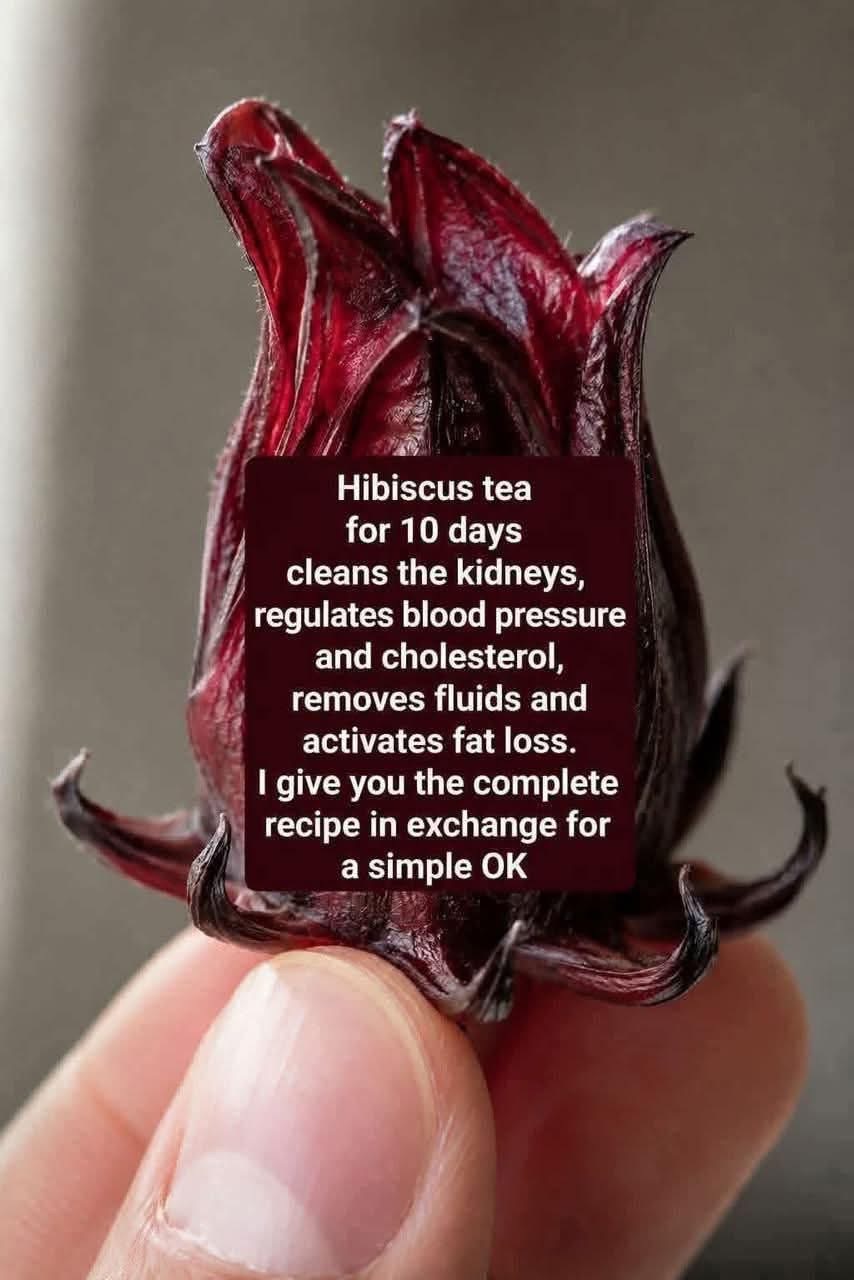
Hibiscus tea is a colorful herbal drink known for its deep red color, refreshing taste, and naturally tart flavor. Made from the dried calyces of the hibiscus plant, this caffeine-free infusion is enjoyed in many countries and can be served either warm or cold.
In addition to its distinctive flavor, hibiscus tea has attracted scientific interest because some studies suggest that it may help support healthy blood pressure levels. Researchers have also investigated its potential effects on cholesterol, blood sugar, and other aspects of metabolic health. However, the strength of the evidence varies, and hibiscus tea should not be considered a cure for medical conditions.
Online posts sometimes claim that drinking hibiscus tea for ten days cleans the kidneys, removes excess fluid, regulates cholesterol, and causes fat loss. These statements need to be treated carefully. Hibiscus tea does not literally cleanse the kidneys, and there is insufficient evidence to guarantee these results within a specific period.
This article explains the potential benefits of hibiscus tea, how to prepare it, how to enjoy it as part of a balanced lifestyle, and what precautions to consider before drinking it regularly.
What Is Hibiscus Tea
Hibiscus tea is commonly prepared from the dried calyces of Hibiscus sabdariffa, a tropical plant grown in many warm regions.
The calyces are the fleshy, colorful structures surrounding the flower after it develops. Once dried, they can be steeped in hot water to produce a deep red or ruby-colored drink.
Hibiscus tea has a naturally sour flavor that some people compare to cranberries. It can be enjoyed without sweeteners or combined with ingredients such as lemon, mint, ginger, or a small amount of honey.
Unlike traditional black tea and green tea, pure hibiscus tea does not naturally contain caffeine. However, packaged blends may contain other ingredients, so it is worth checking the label.
Potential Health Benefits of Hibiscus Tea
Hibiscus tea contains naturally occurring plant compounds, including anthocyanins and other polyphenols. These compounds contribute to the plant’s color and have been studied for their biological activity.
Although early research is encouraging in some areas, not every proposed benefit has been confirmed by large, high-quality human studies.
Hibiscus Tea and Blood Pressure
One of the most studied potential benefits of hibiscus tea is its relationship with blood pressure.
Some clinical studies have found that hibiscus preparations may help lower blood pressure in certain adults, particularly those with elevated readings. However, results vary, and hibiscus tea is not a replacement for prescribed blood pressure medication.
People with high blood pressure should continue monitoring their readings and following their healthcare professional’s recommendations.
If you already take medication to lower blood pressure, drinking hibiscus tea regularly may require extra caution because the combination could potentially lower blood pressure more than expected.
Anyone experiencing dizziness, faintness, or unusual weakness should seek appropriate medical advice.
Hibiscus Tea and Cholesterol
Researchers have investigated whether hibiscus preparations may influence cholesterol and other blood fats.
Some studies suggest possible improvements in certain lipid measurements, but the evidence remains mixed. Results may differ depending on the preparation, quantity consumed, study duration, and individual characteristics.
It is not accurate to promise that hibiscus tea will normalize cholesterol within ten days.
For healthier cholesterol levels, established approaches include eating a balanced diet, being physically active, avoiding smoking, and following medical advice when medication is needed.
Hibiscus tea may be enjoyed as an unsweetened beverage, but it should not replace prescribed cholesterol-lowering treatment.
Hibiscus Tea and Kidney Health
The kidneys help filter waste products from the blood, regulate fluid balance, and maintain important mineral levels.
Some laboratory and animal research has explored the effects of hibiscus extracts on kidney-related processes. However, these findings do not establish that ordinary hibiscus tea cleanses human kidneys or treats kidney disease.
Healthy kidneys already perform their filtering functions naturally. There is no need for a special tea to remove unspecified toxins from the body.
People with chronic kidney disease or those who have been advised to limit fluids, potassium, or other dietary components should consult their healthcare professional before regularly consuming herbal preparations.
A person who notices swelling, significant changes in urination, or other possible signs of kidney problems should seek medical assessment rather than relying on tea.
Hibiscus Tea and Fluid Balance
Hibiscus tea is a water-based drink, so it contributes to daily fluid intake.
Some herbal preparations may also influence urination, but there is not enough reliable evidence to recommend hibiscus tea as a treatment for fluid retention.
Persistent swelling in the legs, sudden weight gain associated with swelling, or shortness of breath can indicate a medical problem that requires professional evaluation.
Do not use hibiscus tea to replace prescribed diuretics or other treatments for fluid-related conditions.
Hibiscus Tea and Weight Management
Hibiscus tea is naturally low in calories when prepared without added sugar.
Replacing sugary soft drinks with unsweetened hibiscus tea can help reduce overall calorie intake, which may support weight management over time.
However, there is insufficient strong human evidence to conclude that hibiscus tea independently causes significant fat loss.
Drinking the tea for ten days does not guarantee a smaller waist, rapid weight loss, or a particular change in body fat.
Long-term weight management depends on several factors, including eating habits, physical activity, sleep, health conditions, and individual needs.
Antioxidants in Hibiscus Tea
Hibiscus contains anthocyanins and other plant compounds with antioxidant activity in laboratory studies.
Antioxidants are studied because they can interact with oxidative processes in biological systems. Nevertheless, laboratory findings do not automatically prove that a specific drink prevents disease in humans.
Hibiscus tea can contribute to dietary variety, but it should be considered one beverage within an overall healthy eating pattern rather than a complete health solution.
How to Make Hibiscus Tea at Home
Hibiscus tea is simple to prepare using food-grade dried hibiscus calyces.
The following recipe makes a basic herbal infusion intended for enjoyment as a beverage. It is not a medically established treatment or dosage.
Ingredients
- One teaspoon of dried hibiscus calyces, or an amount recommended on the product label
- One cup of drinking water
- Lemon or mint, if desired
- Honey or another sweetener, if desired
Preparation Instructions
First, bring the drinking water to a boil.
Place the dried hibiscus in a clean heat-resistant cup or teapot. Pour the hot water over the plant material and cover the container.
Allow the mixture to steep for approximately five to ten minutes, adjusting the time to suit your preferred strength.
Strain the liquid into a clean cup. Allow it to cool to a comfortable temperature before drinking.
You can add lemon or fresh mint for extra flavor. If you prefer a sweeter drink, use a small amount of honey or another sweetener.
For a cold version, prepare the infusion, allow it to cool safely, and refrigerate it in a clean covered container.
Follow the storage instructions for any packaged product and discard the drink if its appearance or smell suggests spoilage.
Should You Drink Hibiscus Tea for Ten Days
There is no universally established ten-day hibiscus tea program that guarantees improved kidney function, lower cholesterol, or fat loss.
The effects of hibiscus preparations can depend on the product, its concentration, the amount consumed, and the person’s health.
Research studies may use standardized extracts or carefully controlled quantities that differ from homemade tea. Their findings cannot automatically be applied to every recipe.
If you enjoy hibiscus tea, it can be included as a beverage in a balanced diet, provided it is appropriate for your circumstances.
There is no need to follow an aggressive schedule or consume large quantities in pursuit of a quick result. More is not necessarily better, especially when a product may influence blood pressure or interact with medication.
Important Precautions Before Drinking Hibiscus Tea
Although hibiscus tea is commonly consumed as a beverage, it is not suitable for every person in every quantity.
People With Low Blood Pressure
Because hibiscus preparations may lower blood pressure in some people, those who already have low blood pressure should exercise caution.
If you experience repeated dizziness or faintness, consult a healthcare professional before continuing regular use.
People Taking Blood Pressure Medication
Hibiscus tea may have an additive effect with some blood pressure medicines.
Ask your healthcare professional or pharmacist whether regular consumption is appropriate if you take medication for hypertension or other cardiovascular conditions.
Do not reduce or discontinue prescribed medication because you have started drinking herbal tea.
Pregnancy and Breastfeeding
Safety information about medicinal amounts of hibiscus during pregnancy and breastfeeding is limited.
People who are pregnant, trying to become pregnant, or breastfeeding should seek professional advice before using hibiscus regularly for medicinal purposes. Ordinary food use and concentrated herbal preparations are not necessarily equivalent.
People With Chronic Kidney Disease
Anyone with diagnosed kidney disease should discuss herbal drinks with their healthcare team, particularly if they have been advised to follow fluid or mineral restrictions.
Do not assume that a product advertised as a kidney cleanser is beneficial for impaired kidney function.
People Taking Multiple Medications
Herbal products can interact with medicines, and the risks may depend on the preparation and the person’s medical history.
If you take regular medication or have a chronic health condition, ask a pharmacist or healthcare professional about possible interactions before using hibiscus as a medicinal product.
How to Enjoy Hibiscus Tea as Part of a Healthy Lifestyle
Hibiscus tea can be a refreshing alternative to sweetened beverages. The following everyday habits may help support overall well-being.
Choose Unsweetened Drinks
Preparing hibiscus tea without sugar keeps its calorie content low.
If you are accustomed to sweet drinks, gradually reducing the amount of sweetener can help you adjust to the tea’s naturally tart flavor.
Eat a Varied Diet
Include vegetables, fruits, legumes, whole grains, nuts, seeds, and suitable sources of protein in your meals.
No single tea or plant can provide every nutrient your body needs.
Stay Physically Active
Regular physical activity can support cardiovascular health, help with weight management, and improve general fitness.
Choose activities that match your abilities and health circumstances.
Monitor Blood Pressure When Needed
If you have high blood pressure, regular monitoring can help you understand your condition and assess whether your treatment plan is working.
Do not rely on how you feel alone, because high blood pressure often causes no obvious symptoms.
Seek Medical Advice for Persistent Symptoms
Swelling, unusual fatigue, changes in urination, or persistent high blood pressure should not be managed exclusively with herbal drinks.
A healthcare professional can investigate possible causes and recommend appropriate treatment.
Frequently Asked Questions About Hibiscus Tea
Does Hibiscus Tea Clean the Kidneys
There is insufficient reliable human evidence that hibiscus tea cleanses the kidneys. The kidneys naturally filter waste from the blood, and kidney disease requires appropriate assessment and management.
Can Hibiscus Tea Lower Blood Pressure
Some studies suggest that hibiscus preparations may modestly lower blood pressure in certain adults. It is not a replacement for prescribed treatment, and people taking blood pressure medication should consult a healthcare professional.
Does Hibiscus Tea Lower Cholesterol
Research findings are mixed. Some studies report improvements in certain blood fat measurements, but more high-quality research is needed to establish the extent of any benefit.
Can Hibiscus Tea Burn Belly Fat
There is insufficient strong evidence that hibiscus tea directly burns belly fat. Unsweetened tea may help reduce calorie intake when it replaces sugary drinks, but weight loss depends on broader lifestyle and health factors.
Is Hibiscus Tea Caffeine Free
Pure hibiscus tea is naturally caffeine free. However, blends containing black tea, green tea, or other caffeinated ingredients may contain caffeine.
Can I Drink Hibiscus Tea Every Day
Whether regular consumption is appropriate depends on your health, medications, and the product used. People with low blood pressure, those taking certain medications, and people with chronic health conditions should seek professional guidance before making it a daily medicinal habit.
Final Thoughts
Hibiscus tea is a flavorful herbal beverage that can be enjoyed hot or cold. Research suggests that certain hibiscus preparations may have a modest effect on blood pressure, while evidence concerning cholesterol, kidney health, and weight loss remains limited or mixed.
Claims that ten days of hibiscus tea will cleanse the kidneys, remove excess fluid, regulate cholesterol, and activate fat loss are not supported by sufficient evidence to guarantee these results.
For everyday enjoyment, prepare hibiscus tea using food-grade dried calyces, keep added sugar low, and treat the drink as part of a balanced lifestyle.
If you have high blood pressure, kidney disease, low blood pressure, or take regular medication, consult a qualified healthcare professional before using hibiscus tea medicinally. Do not replace prescribed treatments with herbal remedies.
A balanced diet, appropriate physical activity, and evidence-based medical care remain the most reliable foundation for long-term health.