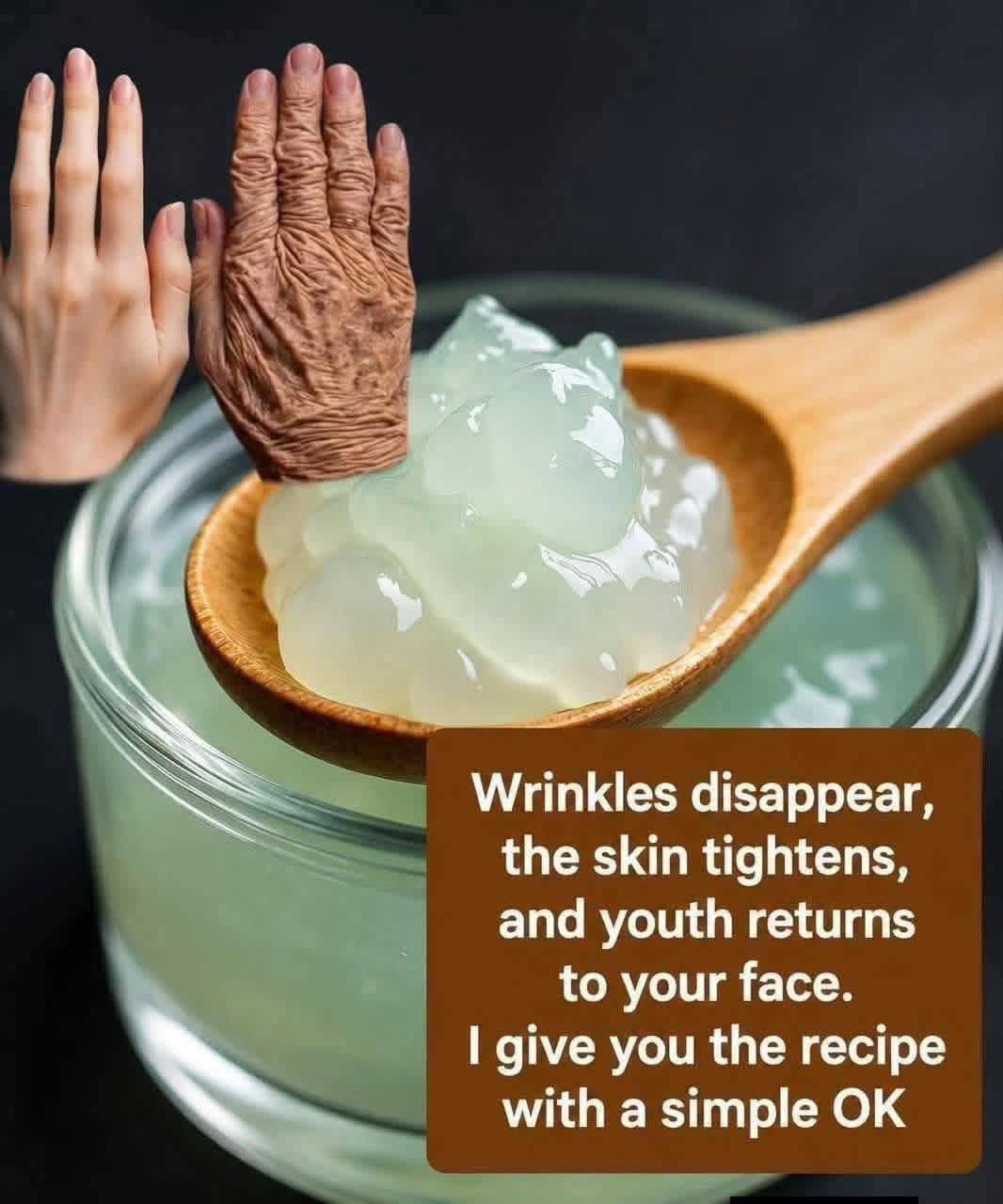
Aloe vera is a popular ingredient in skincare because of its lightweight texture and moisturizing properties. It is commonly used in gels, creams, and homemade beauty preparations designed to help the skin feel soft, refreshed, and hydrated.
If you are looking for a simple addition to your skincare routine, an aloe vera face mask may be worth exploring. When prepared carefully with suitable ingredients, it can provide a refreshing skincare experience without requiring an expensive collection of products.
Although some online posts claim that homemade masks can make wrinkles disappear or restore youthful skin overnight, these claims are exaggerated. Aloe vera may help moisturize the skin, but a homemade mask cannot permanently remove wrinkles or reverse the natural aging process.
In this article, you will learn how to prepare a simple aloe vera face mask, how to apply it, what benefits it may offer, and which precautions are important for healthy skin.
What Is an Aloe Vera Face Mask
An aloe vera face mask is a skincare preparation made with aloe vera gel, either on its own or combined with other skin-compatible ingredients.
Aloe vera comes from a succulent plant whose inner leaf contains a clear gel. This gel is used in a variety of cosmetic products because it contains water and other naturally occurring compounds.
Depending on the formulation, aloe vera products may help improve the feeling of dryness and leave the skin feeling refreshed.
However, the effects depend on the product, the individual’s skin type, and the other ingredients used. Homemade preparations are not standardized, so their results can vary.
Ingredients for a Simple Aloe Vera Face Mask
You can prepare a basic mask using only a few ingredients.
- 1 tablespoon of pure aloe vera gel
- 1 teaspoon of fragrance-free moisturizer, if desired
Choose a commercially prepared aloe vera gel intended for cosmetic use, preferably one without added fragrance or unnecessary irritating ingredients.
If your skin is sensitive, using aloe vera gel alone is a better starting point than combining several ingredients.
Avoid using aloe vera products that contain alcohol or fragrances if these ingredients tend to irritate your skin.
Fresh aloe vera leaves can contain yellow latex near the outer leaf. This substance is different from the clear inner gel and can be irritating. For this reason, a properly formulated cosmetic product is generally a simpler option for beginners.
How to Make an Aloe Vera Face Mask
Step 1 Clean Your Face
Wash your face with a gentle cleanser suitable for your skin type.
Use lukewarm water rather than very hot water, which can contribute to dryness and irritation. Pat your face dry with a clean, soft towel.
Starting with clean skin helps remove surface dirt, excess oil, and makeup.
Step 2 Prepare the Mixture
Place one tablespoon of aloe vera gel in a clean bowl.
If you want a slightly richer texture, you may add a small amount of a fragrance-free moisturizer that you already know your skin tolerates.
Mix gently until the ingredients are evenly combined.
Avoid adding lemon juice, baking soda, toothpaste, or strong essential oils. These ingredients can irritate the skin and are not necessary for a simple face mask.
Step 3 Perform a Patch Test
Before applying a new product to your face, test a small amount on a discreet area of skin according to the product’s directions.
Observe the area for irritation before proceeding. A home patch test cannot guarantee that an allergic reaction will never occur, but it may help identify some immediate problems.
Do not use the mixture if you experience burning, itching, redness, or swelling.
Step 4 Apply a Thin Layer
Spread a thin layer of the aloe vera gel over your face, avoiding the eyes, eyelids, lips, and any broken or irritated skin.
There is no need to apply a thick layer. A small amount is usually sufficient to cover the intended area.
Step 5 Rinse and Moisturize
For a simple homemade mask, leave the gel on briefly, following the instructions on the cosmetic product when available.
Rinse it off with lukewarm water if the product is intended to be washed off. Pat your face dry and apply a moisturizer suited to your skin type.
Stop using the product if your skin becomes irritated.
Potential Benefits of Aloe Vera for Skin
Aloe vera is widely used in skincare products, but it is important to distinguish cosmetic benefits from claims that have not been established by scientific evidence.
Helps Skin Feel Hydrated
Aloe vera gel contains water and can provide a light, refreshing feel.
When used in a suitable formulation, it may help improve the sensation of dryness. However, aloe vera gel does not replace every function of a moisturizer.
People with dry skin may benefit from applying a fragrance-free moisturizer after using the gel to help support the skin barrier.
Provides a Refreshing Skincare Experience
The lightweight consistency of aloe vera gel makes it appealing to people who dislike heavy skincare products.
Some formulations can feel cooling when applied to the skin, although a cooling sensation should not be confused with a medical treatment.
Avoid applying frozen products directly to the face because extreme cold can damage or irritate the skin.
May Help Soothe Minor Skin Discomfort
Some aloe vera preparations have been studied for their potential role in soothing certain types of skin irritation.
However, evidence varies depending on the condition and the product. Aloe vera should not be used to treat serious burns, infected wounds, or persistent skin disorders without appropriate medical advice.
If you experience severe pain, blistering, spreading redness, or signs of infection, seek medical care.
Supports a Simple Skincare Routine
Aloe vera gel can be incorporated into a basic skincare routine when the product is appropriate for your skin.
A simple routine is often easier to maintain than one involving many different masks, scrubs, and active ingredients.
Using fewer products can also make it easier to identify which ingredient is causing irritation if a reaction occurs.
Can Aloe Vera Make Wrinkles Disappear
Wrinkles develop through several processes, including natural aging, changes in collagen and elastin, repeated facial movements, and exposure to ultraviolet radiation.
Aloe vera gel may temporarily make the skin feel more hydrated. Well-hydrated skin can sometimes appear smoother, which may make fine lines less noticeable for a short period.
However, there is no strong evidence that a basic homemade aloe vera mask permanently removes wrinkles, tightens loose skin, or restores youthful skin.
Be cautious of products and social media posts that promise dramatic results in a few days.
For a skincare routine that addresses visible signs of aging, daily broad-spectrum sunscreen and a suitable moisturizer are useful starting points. Some people may also benefit from topical retinoids, but these products can cause irritation and are not appropriate for everyone.
Pregnant individuals should seek professional advice before using retinoids.
How to Care for Mature Skin
Healthy skincare does not require complicated recipes or expensive products. Consistent habits can help support the skin over time.
Use Sunscreen Daily
Ultraviolet radiation contributes to premature skin aging, including wrinkles, uneven pigmentation, and loss of elasticity.
Use a broad-spectrum sunscreen with SPF 30 or higher on exposed skin. Reapply according to the product directions, especially after swimming, sweating, or spending extended periods outdoors.
Wearing a hat and seeking shade can provide additional protection.
Moisturize Regularly
A suitable moisturizer helps reduce water loss and supports the skin barrier.
For dry or mature skin, products containing ingredients such as glycerin, ceramides, or hyaluronic acid may be useful.
Choose products according to your skin’s needs rather than relying on a single natural ingredient.
Avoid Harsh Scrubs
Rough exfoliation and frequent use of irritating products can damage the skin barrier.
If your face becomes tight, flaky, red, or uncomfortable after a skincare treatment, simplify your routine and discontinue products that may be responsible.
Maintain Healthy Daily Habits
Adequate sleep, a balanced diet, regular physical activity, and avoiding smoking can support general health and contribute to a healthy-looking complexion.
No food, drink, or homemade face mask can stop the natural aging process, but consistent care can help maintain skin comfort and appearance.
How Often Should You Use an Aloe Vera Face Mask
There is no universally established schedule for homemade aloe vera masks.
If you decide to try one, start cautiously and observe how your skin responds. Follow the directions provided with the cosmetic gel, and avoid repeated applications if you notice dryness or irritation.
People with eczema, rosacea, very sensitive skin, or a history of allergic reactions should be particularly careful when introducing new products.
If you have a persistent skin condition, ask a dermatologist which ingredients are appropriate for you.
Important Precautions
Natural ingredients are not automatically safe for every person.
Keep these precautions in mind:
- Use aloe vera gel intended for cosmetic application.
- Check the ingredient list for fragrances and other potential irritants.
- Avoid contact with the eyes.
- Do not apply the mask to broken or infected skin.
- Stop using it if burning, itching, redness, or swelling occurs.
- Do not mix it with lemon juice or other harsh household ingredients.
- Avoid storing homemade mixtures for extended periods.
- Do not assume that a product is safe simply because it is labeled natural.
If an ingredient causes a reaction, wash it off gently and discontinue use. Seek urgent medical attention for severe swelling or difficulty breathing.
Frequently Asked Questions
Can Aloe Vera Remove Wrinkles Overnight
No. Aloe vera may help the skin feel hydrated, but it has not been shown to remove wrinkles overnight or permanently reverse aging.
Is Aloe Vera Suitable for All Skin Types
Not necessarily. Many people tolerate cosmetic aloe vera products, but some experience irritation or allergic reactions. Choose a suitable formulation and test new products cautiously.
Can I Leave Aloe Vera Gel on My Face Overnight
Some commercially formulated aloe vera gels are designed to remain on the skin, while others are intended to be rinsed off. Follow the product directions rather than assuming every gel is suitable for overnight use.
Can I Mix Aloe Vera With Lemon Juice
It is better to avoid this combination for facial skincare. Lemon juice can irritate the skin and may increase the risk of reactions associated with sunlight exposure.
Does Aloe Vera Tighten Loose Skin
Aloe vera gel has not been established as a treatment for significant skin laxity. Any temporary smoothing associated with hydration should not be confused with a lasting tightening effect.
Final Thoughts
An aloe vera face mask can be a simple addition to a skincare routine when made with a suitable cosmetic product and used carefully. Its main appeal is its lightweight texture and potential to help the skin feel refreshed and hydrated.
However, claims that aloe vera makes wrinkles disappear or restores youthful skin are not supported by strong evidence.
For long-term skin care, focus on gentle cleansing, regular moisturizing, daily sun protection, and products suited to your skin type. Consistency and realistic expectations are more useful than relying on a single homemade beauty treatment.