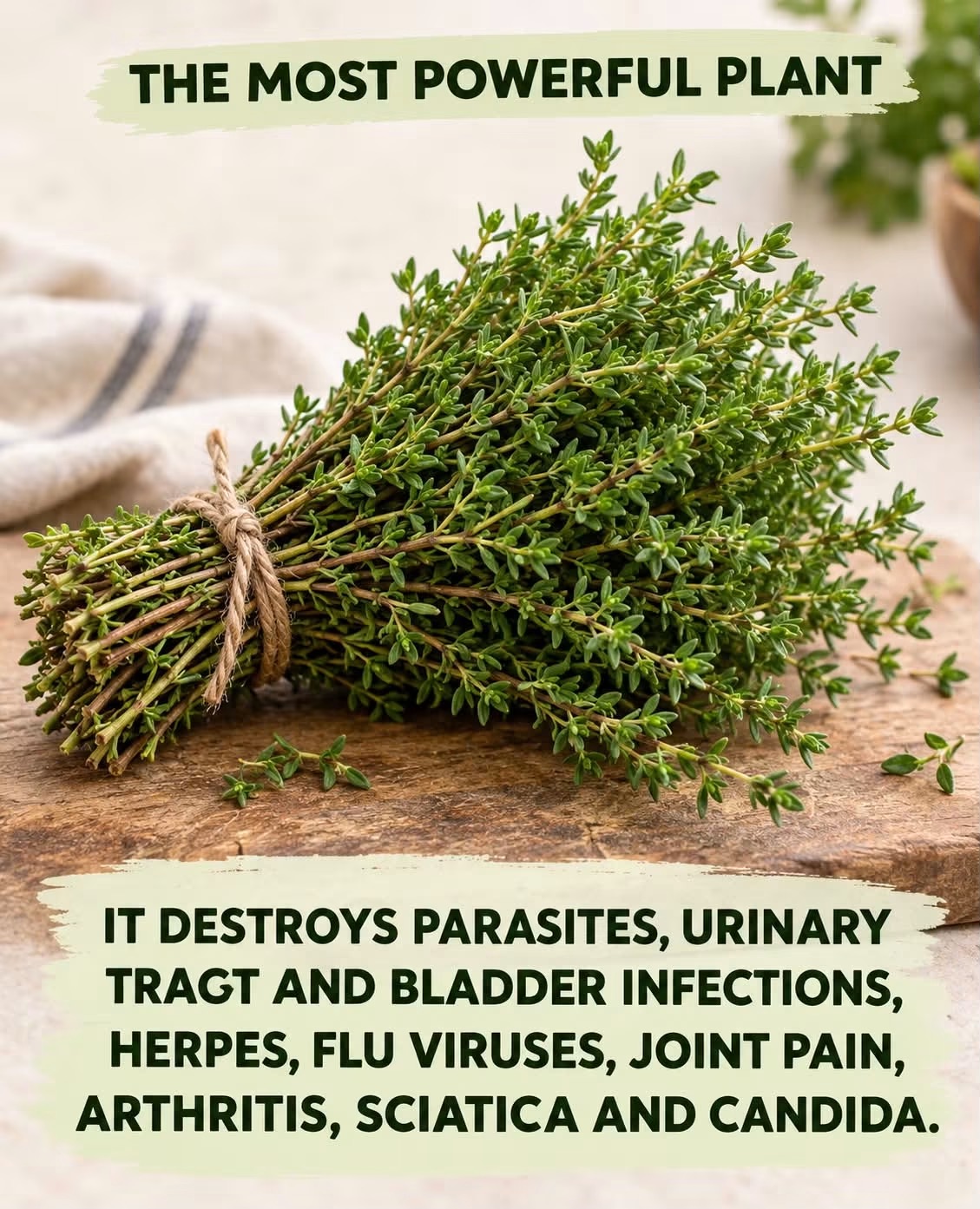
Thyme is a fragrant herb widely used in cooking and traditional herbal preparations. Its small green leaves have a distinctive aroma that adds flavor to soups, roasted vegetables, meat dishes, sauces, and homemade teas. Beyond its culinary uses, thyme has attracted scientific interest because it contains natural plant compounds with antioxidant and antimicrobial properties.
For generations, thyme has been used in traditional practices, particularly in preparations intended to soothe coughs and throat irritation. Modern research has explored some of these uses, although the available evidence does not support claims that thyme can cure infections, eliminate parasites, or treat serious medical conditions on its own.
In this article, we explore the potential benefits of thyme, its traditional uses, simple ways to include it in your diet, and important precautions to consider before using it regularly.
What Is Thyme
Thyme is an aromatic herb from the mint family, Lamiaceae. One commonly used species is Thymus vulgaris, which is native to parts of the Mediterranean region and is now grown in many countries.
Thyme can be used fresh or dried. Its leaves contain aromatic compounds, including thymol and carvacrol, which contribute to its characteristic scent and have been studied for their biological activity.
Thyme is available in several forms, including fresh leaves, dried seasoning, herbal tea, extracts, and essential oil. These preparations are not interchangeable. A small amount of thyme used in food is very different from a concentrated essential oil or supplement.
Understanding this distinction is important because evidence about concentrated thyme preparations cannot automatically be applied to ordinary culinary use.
1. Thyme Contains Antioxidant Compounds
The body naturally produces unstable molecules called free radicals. When these molecules accumulate excessively, they can contribute to oxidative stress and cellular damage.
Thyme contains various plant compounds with antioxidant activity. These compounds have been studied in laboratory research for their ability to interact with free radicals.
Including herbs such as thyme in a varied diet can help increase the diversity of plant compounds consumed. However, laboratory findings do not necessarily translate into specific health benefits in humans.
Thyme should therefore be considered one useful ingredient among many, rather than a special treatment for preventing disease.
2. Thyme Has Antimicrobial Properties in Laboratory Studies
Thymol and carvacrol are two aromatic compounds found in thyme and certain other herbs. Laboratory studies have examined their activity against some microorganisms.
These findings have contributed to scientific interest in thyme extracts and essential oils. Nevertheless, an effect observed in a laboratory does not prove that drinking thyme tea or eating thyme can eliminate harmful bacteria, viruses, fungi, or parasites inside the human body.
Thyme should not be used as a substitute for antibiotics, antifungal medication, antiviral treatment, or antiparasitic medicines when these are medically necessary.
3. Thyme May Help Soothe Coughs
One of the best-known traditional uses of thyme is in herbal preparations for coughs and throat discomfort.
Certain thyme-based preparations have been studied for cough symptoms, sometimes in combination with other ingredients such as ivy. Some products may help relieve symptoms associated with respiratory infections, but the evidence applies to specific formulations and does not establish that ordinary thyme tea has the same effects.
A warm drink may also provide temporary comfort when the throat feels irritated.
However, thyme does not cure every respiratory infection. Seek medical advice if a cough persists, worsens, or is accompanied by concerning symptoms. Difficulty breathing, chest pain, or severe weakness requires prompt medical attention.
4. Thyme and Digestive Comfort
Thyme is commonly used in traditional cooking and herbal preparations associated with digestive comfort.
Its aromatic compounds contribute to its strong flavor, making it a useful seasoning in meals containing vegetables, beans, lentils, and other foods.
Although thyme has a history of traditional digestive use, strong clinical evidence that thyme tea treats indigestion, bloating, or other digestive disorders is limited.
People with sensitive stomachs may react differently to herbal preparations. If thyme causes nausea, abdominal discomfort, or other unwanted symptoms, stop using it.
Persistent digestive problems should be evaluated by a qualified healthcare professional instead of being treated exclusively with herbs.
5. Thyme and Respiratory Wellness
Thyme is frequently included in traditional herbal teas prepared during colder months. Its warm aroma and flavor can make it a comforting beverage when someone has a mild sore throat or feels congested.
Some thyme-containing cough preparations have been evaluated in clinical studies. However, evidence for these products should not be interpreted as proof that thyme alone prevents influenza, destroys respiratory viruses, or treats lung infections.
For general respiratory health, avoid smoking, maintain good hygiene, stay hydrated, and follow recommended vaccination guidance.
People with asthma or other respiratory conditions should continue their prescribed treatment and consult a healthcare professional before trying concentrated herbal products.
6. Can Thyme Help With Joint Pain and Arthritis
Some online posts describe thyme as a remedy for arthritis, joint pain, and sciatica. These claims go beyond what current evidence can establish.
Although compounds found in thyme have been studied for possible anti-inflammatory activity in laboratory settings, there is insufficient clinical evidence to conclude that thyme tea or thyme essential oil treats arthritis or nerve pain.
Joint pain can have many causes, including osteoarthritis, inflammatory conditions, injury, and nerve compression. Appropriate treatment depends on the underlying cause.
Thyme can be enjoyed as a seasoning, but it should not replace medical assessment, prescribed medication, physical therapy, or other recommended treatments.
7. Thyme and Immune System Health
The immune system depends on many factors, including adequate nutrition, sufficient sleep, physical activity, and overall health.
Thyme contains plant compounds that have attracted scientific interest, but there is no strong evidence that consuming thyme alone boosts immunity enough to prevent infections or cure illness.
A balanced diet containing vegetables, fruits, whole grains, legumes, and suitable protein sources provides a broader range of nutrients than relying on one herb.
Herbal drinks can be part of a healthy routine, but they should not be presented as a guaranteed way to strengthen immunity.
8. Does Thyme Help Fight Candida or Other Fungal Infections
Thymol and other compounds found in thyme have demonstrated activity against certain microorganisms in laboratory studies, including some fungi.
However, laboratory activity does not establish that thyme can safely or effectively treat candidiasis or other fungal infections in people.
Candida can affect different parts of the body, and the appropriate treatment depends on the location and severity of the infection. Medical antifungal treatments may be necessary.
Do not drink thyme essential oil or apply undiluted essential oil to the skin or intimate areas in an attempt to treat a fungal infection. These practices can cause irritation or poisoning.
9. Can Thyme Eliminate Intestinal Parasites
Claims that thyme destroys parasites or removes them from the body are not supported by sufficient clinical evidence.
Some thyme compounds have been investigated in laboratory or experimental settings, but these findings do not prove that drinking thyme tea eliminates intestinal worms or other parasitic infections.
Parasitic infections require accurate diagnosis and appropriate treatment. Depending on the organism involved, a healthcare professional may recommend specific antiparasitic medication.
If you experience persistent diarrhea, unexplained weight loss, abdominal pain, or other concerning symptoms, seek medical advice rather than relying on herbal remedies.
How to Make Thyme Tea at Home
Thyme tea is a simple way to enjoy the herb’s aroma and flavor. It can be prepared with fresh or dried thyme.
Ingredients
- 1 teaspoon of dried thyme or a small sprig of fresh thyme
- 1 cup of hot water
- A little honey, if desired
- A small amount of lemon juice, if desired
Instructions
Step 1: Prepare the thyme
Place the fresh or dried thyme in a clean cup or teapot.
Step 2: Add hot water
Pour freshly boiled water over the thyme.
Step 3: Let it steep
Cover the cup and allow the herb to steep for approximately 5 to 10 minutes.
Step 4: Strain the tea
Remove the thyme leaves or strain the liquid into another cup.
Step 5: Add optional ingredients
Allow the tea to cool slightly before adding honey or lemon, if desired.
Enjoy the drink while comfortably warm. This is a traditional beverage, not a medically established treatment for infections or chronic diseases.
How to Use Thyme in Everyday Cooking
Thyme is versatile and easy to incorporate into meals.
Add Thyme to Soups
A small amount of thyme can enhance the flavor of vegetable soups, lentil soups, and homemade broths.
Season Roasted Vegetables
Combine thyme with olive oil, garlic, and black pepper before roasting carrots, potatoes, or other vegetables.
Use It in Marinades
Thyme works well in marinades for chicken, fish, beans, and vegetables. Combine it with lemon juice, olive oil, and other seasonings to create a flavorful mixture.
Add It to Sauces
Fresh or dried thyme can bring depth to tomato sauces, stews, and slow-cooked dishes.
Using thyme in food is generally a more practical way to enjoy its flavor than taking concentrated products without professional guidance.
Safety Precautions Before Using Thyme
Thyme used in normal culinary amounts is generally well tolerated by many people. However, concentrated products require greater caution.
Thyme Essential Oil Is Not the Same as Thyme Tea
Essential oil is highly concentrated and may cause irritation or poisoning if swallowed improperly. Do not ingest thyme essential oil unless a qualified healthcare professional has specifically advised you to use an appropriate product in a safe manner.
Never apply undiluted essential oil directly to sensitive skin or mucous membranes.
Allergies and Sensitivity
Some people may develop allergic reactions or skin irritation from thyme and related plants. Stop using a product if it causes a rash, swelling, or other unexpected symptoms.
Pregnancy and Breastfeeding
Ordinary culinary use differs from medicinal doses of herbs and concentrated essential oils. People who are pregnant or breastfeeding should consult a healthcare professional before using concentrated thyme preparations for health purposes.
Medication and Existing Conditions
If you take regular medication or have an ongoing medical condition, ask a healthcare professional before using concentrated thyme supplements or extracts.
Do not delay medical care or discontinue prescribed medication because of claims about thyme’s natural properties.
Frequently Asked Questions About Thyme
Can I Drink Thyme Tea Every Day
There is no universally established therapeutic dose for thyme tea. A mild herbal infusion may be suitable for many adults, but individual tolerance varies. Seek professional advice if you plan to use it regularly for medicinal purposes.
Does Thyme Kill Viruses
Some thyme compounds have been studied for antimicrobial activity in laboratory settings. There is no strong evidence that drinking thyme tea kills viruses inside the human body or cures viral infections.
Can Thyme Treat Urinary Tract Infections
Thyme has not been established as an effective treatment for urinary tract infections. These infections may require medical assessment and appropriate treatment. Symptoms such as painful urination, frequent urination, fever, or back pain should not be ignored.
Is Thyme Good for Arthritis
Thyme contains compounds studied for potential biological effects, but clinical evidence is insufficient to recommend it as a treatment for arthritis or sciatica.
Can Thyme Replace Medication
No. Thyme should not replace prescribed medicines or professional treatment for bacterial infections, fungal infections, parasitic diseases, arthritis, or other medical conditions.
Final Thoughts
Thyme is a flavorful Mediterranean herb that offers versatility in cooking and contains plant compounds that researchers continue to study. Traditional thyme preparations may provide comfort for some mild symptoms, and certain thyme-based products have been investigated for cough relief.
However, claims that thyme destroys parasites, cures urinary tract infections, eliminates Candida, treats arthritis, or prevents viral illnesses are not supported by sufficient clinical evidence.
The best approach is to enjoy thyme in normal culinary amounts, use herbal preparations cautiously, and seek medical advice when symptoms require treatment. A balanced diet and appropriate healthcare remain more reliable foundations for long-term well-being than depending on any single plant.