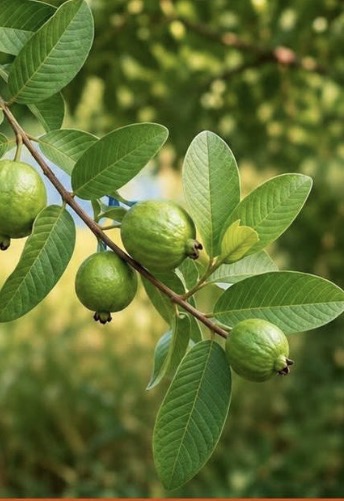
Guava is a tropical fruit cherished for its sweet flavor, refreshing aroma, and impressive nutritional profile. Native to Central America but now cultivated in many tropical and subtropical regions, guava has become a popular fruit worldwide. With its vibrant green skin, juicy flesh, and numerous health benefits, guava is often considered a superfruit.
Whether eaten fresh, blended into juices, or incorporated into desserts, guava offers a delicious way to support overall health and wellness.
What Is Guava?
Guava is the fruit of the guava tree, scientifically known as Psidium guajava. The fruit typically has green or yellow skin and may contain white, pink, or red flesh depending on the variety.
Guava trees thrive in warm climates and produce fragrant fruits that are enjoyed both fresh and processed. The leaves of the guava tree are also widely used in traditional herbal practices.
Nutritional Value of Guava
Guava is highly nutritious and provides essential vitamins, minerals, and antioxidants.
A typical serving of fresh guava contains:
- Vitamin C
- Dietary fiber
- Potassium
- Vitamin A
- Folate
- Magnesium
- Antioxidants
One of guava’s most remarkable qualities is its exceptionally high vitamin C content, often exceeding that of oranges.
Health Benefits of Guava
Supports Immune System Function
Guava is packed with vitamin C, a powerful antioxidant that helps strengthen the immune system. Regular consumption may help the body defend itself against common illnesses and infections.
The antioxidants present in guava also protect cells from oxidative stress, supporting long-term health.
Promotes Digestive Health
Guava is an excellent source of dietary fiber, which plays an important role in maintaining healthy digestion.
Fiber may help:
- Promote regular bowel movements
- Support gut health
- Reduce constipation
- Improve digestive efficiency
Eating guava as part of a balanced diet can contribute to a healthier digestive system.
May Support Heart Health
The potassium and fiber found in guava can contribute to cardiovascular wellness. Potassium helps regulate blood pressure, while fiber may assist in maintaining healthy cholesterol levels.
Additionally, antioxidants in guava may support healthy blood circulation and protect heart tissues.
Rich in Antioxidants
Guava contains numerous antioxidant compounds, including:
- Lycopene
- Quercetin
- Vitamin C
- Polyphenols
These compounds help neutralize harmful free radicals in the body, potentially reducing cellular damage associated with aging and environmental stress.
May Help Maintain Healthy Blood Sugar Levels
Some research suggests that guava and guava leaf extracts may support healthy blood sugar management when combined with a balanced diet and healthy lifestyle.
The fruit’s fiber content may slow sugar absorption, contributing to more stable blood glucose levels.
Supports Skin Health
The vitamins and antioxidants present in guava can benefit skin health. Vitamin C plays an essential role in collagen production, helping maintain skin elasticity and appearance.
Regular consumption of nutrient-rich fruits like guava may contribute to healthy, glowing skin.
Popular Ways to Eat Guava
Guava is incredibly versatile and can be enjoyed in many ways.
Fresh Guava
Fresh guava can be eaten whole, including the skin and seeds, after proper washing. Many people enjoy slicing the fruit and sprinkling it with lime juice.
Smoothies and Juices
Guava adds natural sweetness and tropical flavor to beverages. It blends well with other fruits such as:
- Mango
- Pineapple
- Banana
- Orange
Fruit Salads
Adding guava to fruit salads enhances both flavor and nutritional value.
Desserts
Guava is commonly used in:
- Cakes
- Jams
- Jellies
- Ice cream
- Pastries
Its naturally sweet taste makes it a popular ingredient in desserts worldwide.
Guava Leaves and Traditional Uses
Beyond the fruit itself, guava leaves have been traditionally used in herbal preparations. Guava leaf tea is popular in many cultures and is valued for its potential wellness-supporting properties.
While traditional uses are widespread, individuals should consult healthcare professionals before using herbal remedies for medical purposes.
How to Choose and Store Guava
When selecting guava, look for fruits that:
- Have smooth skin
- Feel slightly soft when gently pressed
- Possess a pleasant aroma
- Show no major bruises or damage
Ripe guavas can be stored in the refrigerator for several days. Unripe fruits may be left at room temperature until they soften.
Growing Guava Trees
Guava trees are relatively easy to cultivate in warm climates. They thrive in full sunlight and well-drained soil.
Key growing conditions include:
- Warm temperatures
- Adequate sunlight
- Moderate watering
- Proper pruning
Under favorable conditions, guava trees can produce abundant harvests each year.
Final Thoughts
Guava is a delicious tropical fruit packed with vitamins, antioxidants, and dietary fiber. Its numerous potential health benefits, combined with its versatility in the kitchen, make it an excellent addition to a balanced diet.
Whether enjoyed fresh, blended into smoothies, or incorporated into desserts, guava offers both exceptional flavor and valuable nutrition. Including guava in your regular diet is a simple and enjoyable way to support overall health and wellness.