Baking Soda for Dark Spots, Wrinkles, and Dark Circles: Why You Should Not Put It on Your Face
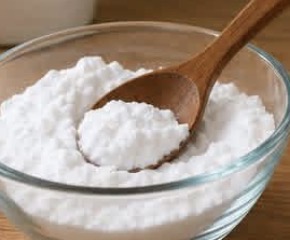
The image going around shows a before and after of a young man with acne scars, then clear skin, next to a bowl of baking soda. The text says: “How to use baking soda to eliminate dark spots, wrinkles and dark circles on your face. I give you the recipe for a simple Ok.”
Do not put baking soda on your face. Baking soda will not eliminate dark spots, wrinkles, or dark circles. It can actually damage your skin barrier and make acne and pigmentation worse. The before/after photo is edited.
Here is what baking soda really does to skin, why this claim is false, and what actually helps with acne marks, dark spots, and under-eye circles.
What Is Baking Soda
Baking soda is sodium bicarbonate. It is a kitchen leavening agent, a fridge deodorizer, and a cleaning abrasive. It is alkaline, with a pH of about 9.
Healthy facial skin has a pH of about 4.5 to 5.5, slightly acidic. That acid mantle protects you from bacteria, locks in moisture, and keeps your skin barrier intact.
Putting alkaline baking soda on your face strips that acid mantle.
What Baking Soda Does to Your Skin
- Damages the skin barrier
Repeated use of baking soda raises skin pH, disrupts natural oils, and breaks down the barrier that keeps moisture in and irritants out. Result: dryness, tightness, redness, burning, peeling. - Worsens acne
Acne-causing bacteria, Cutibacterium acnes, actually grows better at alkaline pH. Stripping your acid mantle can make breakouts worse, not better. The “smooth skin” after photo is not from baking soda. - Causes irritation and chemical burns
Baking soda crystals are abrasive. Scrubbing with them creates micro-tears in the skin. Combined with the high pH, this causes irritation, redness, and post-inflammatory hyperpigmentation, which means more dark spots, the exact thing you were trying to fix. - Does nothing for wrinkles or dark circles
Baking soda does not boost collagen, does not smooth wrinkles, and does not change pigmentation under the eyes. Wrinkles are from collagen loss, sun damage, and expression over time. Dark circles are usually genetics, thin skin showing blood vessels, pigmentation, or shadows from volume loss and lack of sleep. No kitchen powder fixes any of that.
Dermatologists universally advise against using baking soda on the face. It belongs in baking and cleaning, not skincare.
What Actually Helps Dark Spots and Acne Marks
Post-acne dark spots are called post-inflammatory hyperpigmentation. They fade with time, usually 3 to 12 months, and you can speed that up safely. - Sunscreen, every day
This is number one. UV exposure darkens spots and makes them last longer. Use a broad-spectrum SPF 30 or higher every morning, even on cloudy days. Reapply if you are outside. Without sunscreen, nothing else works. - Gentle cleanser
Use a pH-balanced cleanser, morning and night. No scrubs, no baking soda, no lemon juice. - Proven ingredients, used slowly
- Niacinamide 2 to 5 percent: helps fade dark spots, calms redness, supports barrier. Well tolerated.
- Azelaic acid 10 percent: good for acne marks and redness, available over the counter.
- Vitamin C serum, 10 to 15 percent L-ascorbic acid: antioxidant, helps brighten pigmentation over 8 to 12 weeks.
- Retinoids: adapalene 0.1 percent is available over the counter in many countries and is the gold standard for acne and post-acne marks. Start 2 nights per week, pea-size amount, moisturize after. Expect mild flaking at first. Do not use if pregnant.
Introduce one product at a time, 2 weeks apart. Patch test first.
- Moisturizer
A simple, fragrance-free moisturizer morning and night keeps the barrier healthy so skin heals faster. - Time
Acne marks fade. Picking, scrubbing, and harsh DIY treatments make them darker and last longer. Hands off, sunscreen on.
For deep acne scars, pitted scars, or stubborn pigmentation, see a board-certified dermatologist. Options include prescription retinoids, chemical peels, laser treatments, and microneedling, done professionally, not at home.
What Actually Helps Dark Circles
Dark circles have different causes, so treatment depends on the cause: - Pigmentation: sunscreen daily, vitamin C, niacinamide, and azelaic acid can help slowly over months.
- Thin skin / visible vessels: sleep 7 to 9 hours, cold compress in the morning to constrict vessels, allergy management if allergies are making them worse. Retinol eye creams can thicken skin slightly over time.
- Shadows / volume loss: this is structural and age-related. No cream fixes it. A dermatologist can discuss options.
- Lifestyle: lack of sleep, dehydration, smoking, and allergies all make dark circles look worse. Fixing sleep and hydration helps more than any topical.
Baking soda does none of this.
What Helps Wrinkles - Sunscreen: 80 percent of visible facial aging is from UV exposure. Daily SPF 30+ is the single best anti-wrinkle product.
- Retinoids: prescription tretinoin is the most evidence-based topical for wrinkles, with decades of data. Adapalene over the counter is a good start.
- Moisturizer: keeps skin plump, reduces the look of fine lines.
- No smoking, good sleep, sun hats: lifestyle matters more than expensive creams.
No kitchen ingredient eliminates wrinkles. Anyone telling you otherwise is selling engagement, not skincare.
A Safe, Simple Routine for Acne-Prone Skin
Morning: gentle cleanser, niacinamide serum, moisturizer, SPF 30+
Evening: gentle cleanser, adapalene 2 to 3 nights per week, moisturizer
That is it. Simple, cheap, evidence-based. Give it 12 weeks. If acne is moderate to severe, painful, cystic, or scarring, see a dermatologist early. Early treatment prevents permanent scars.
Stop all DIY scrubs: no baking soda, no lemon juice, no toothpaste, no apple cider vinegar on the face. All of them damage the barrier and make pigmentation worse.
The Bottom Line
Baking soda does not eliminate dark spots, wrinkles, or dark circles. It disrupts your skin pH, irritates your barrier, and can make acne and pigmentation worse. The before/after in the photo is not real.
For acne marks and dark spots: sunscreen, niacinamide, azelaic acid, and a retinoid, used consistently for 12 weeks. For dark circles: sleep, sunscreen, allergy control, and realistic expectations. For wrinkles: sunscreen and retinoids.
If you have persistent acne, scarring, or pigmentation that bothers you, see a board-certified dermatologist. Real skincare is boring and slow, but it works. Baking soda belongs in your cookies, not on your face.