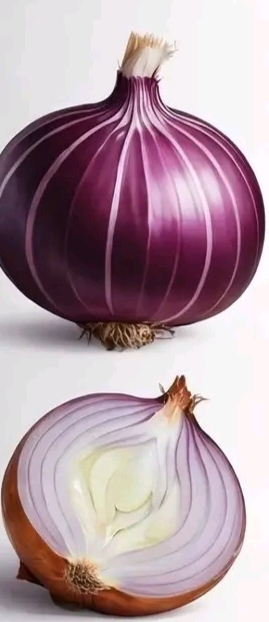
Onions are one of the most widely used vegetables in kitchens around the world. They are inexpensive, versatile, and can add flavor to almost any meal. From soups and stews to salads, sauces, grilled dishes, and sandwiches, onions have become an essential ingredient in many different cuisines.Beyond their culinary value, onions contain a variety of nutrients and naturally occurring plant compounds that have attracted scientific interest. They are particularly known for containing antioxidants and sulfur-containing compounds.However, social media often presents onions as a natural cure for many diseases. While onions can certainly be part of a healthy diet, it is important to distinguish between their nutritional properties and claims that they can treat or cure medical conditions.What Makes Onions Nutritious?Onions are relatively low in calories and provide several useful nutrients. They contain fiber, vitamin C, folate, potassium, and various plant compounds.Different types of onions—including red, yellow, white, and sweet onions—can vary in flavor and in the amounts of specific plant compounds they contain.Red onions are particularly known for their pigments and flavonoid compounds, while other varieties also contain valuable antioxidants.One important group of compounds found in onions is quercetin, a flavonoid that has been widely studied for its antioxidant and anti-inflammatory properties.Antioxidants in OnionsAntioxidants are compounds that help protect cells from oxidative stress. Onions contain several antioxidant compounds, including flavonoids.Quercetin is one of the most researched onion compounds. Scientific studies have investigated its potential effects on inflammation, cardiovascular health, and other biological processes.However, it is important to understand that research on a specific compound does not automatically prove that eating onions will prevent or cure a particular disease.The best way to benefit from antioxidants is to consume a varied diet containing many different fruits and vegetables.Onions and Heart HealthA healthy diet is an important part of maintaining cardiovascular health, and onions can easily fit into such a diet.Onions contain flavonoids and other plant compounds that have been investigated for their possible relationship with cardiovascular health. They also add flavor to meals, potentially making it easier to prepare tasty dishes without relying heavily on salt.However, onions should not be considered a treatment for high blood pressure, high cholesterol, or heart disease.People with cardiovascular conditions should follow the treatment and lifestyle recommendations provided by their healthcare professionals.Do Onions Help the Immune System?Onions provide vitamin C and various plant compounds that contribute to a nutritious diet.Vitamin C plays an important role in normal immune-system function. Eating foods that provide vitamin C and other nutrients helps support the body’s normal physiological processes.However, saying that onions can “strengthen the immune system” in a way that prevents infections is an oversimplification.The immune system depends on many factors, including adequate nutrition, sleep, physical activity, and overall health. No single food can provide complete protection against illness.Onions and Blood SugarOnions contain carbohydrates and naturally occurring plant compounds, and they can be included in a balanced diet for most people.Some research has investigated onion extracts and specific compounds in relation to blood glucose regulation. However, this does not mean that eating onions can replace diabetes medication or reliably control blood sugar on its own.For people living with diabetes, portion sizes, the overall meal, medication, physical activity, and individual health factors all matter.Can Onions Help With Coughs and Colds?Onions have a long history of traditional use in home remedies for coughs and respiratory discomfort.Some people prepare onion-based drinks or combine onions with honey as a traditional remedy. Warm liquids and honey may provide temporary soothing effects for the throat.Nevertheless, onions should not be presented as a cure for influenza, respiratory infections, or other illnesses.If symptoms are severe, persistent, or accompanied by difficulty breathing, chest pain, or a high fever, professional medical care is important.What About “Detoxifying” the Body?Another popular claim is that onions can “detoxify” the body.The human body already has sophisticated systems for processing and eliminating waste, particularly through the liver and kidneys.There is no need for a specific vegetable or drink to “flush toxins” from a healthy body.Eating onions as part of a diet rich in vegetables, fruits, whole grains, legumes, and other nutritious foods can support overall health, but calling this a detox treatment is misleading.Onions and Natural Antimicrobial PropertiesCertain compounds found in onions have demonstrated antimicrobial activity in laboratory research.This has led to interest in their possible biological effects. However, laboratory activity against microorganisms does not mean that eating onions can eliminate infections inside the human body.If you have a bacterial or other infection, proper diagnosis is important because treatment depends on the specific cause.Onions can be part of your meals, but they should never be used as a substitute for prescribed treatment.How to Get More Onions Into Your DietOne of the best things about onions is how easy they are to use.You can add them to:Fresh saladsVegetable soupsLentil and bean dishesOmeletsHomemade saucesGrilled meat or vegetablesRice and pasta dishesSandwiches and wrapsStir-friesHomemade salsaRaw onions have a stronger, sharper flavor, while cooking makes them softer and sweeter.Red onions are particularly popular in salads, while yellow onions work well in soups, stews, and cooked dishes.Raw vs. Cooked OnionsBoth raw and cooked onions can be part of a healthy diet.Cooking changes the flavor and texture of onions and can also affect certain heat-sensitive compounds. On the other hand, cooked onions can be easier for some people to digest.There is no need to choose only one method. Using onions in different forms allows you to enjoy their nutritional qualities while adding variety to your meals.Are There Any Side Effects?Although onions are safe for most people when consumed as food, they can cause digestive discomfort in some individuals.Raw onions may cause bloating, gas, heartburn, or stomach discomfort, particularly in people who are sensitive to certain fermentable carbohydrates.People with digestive conditions or food sensitivities may therefore tolerate cooked onions better than raw onions.As with any food, moderation and individual tolerance are important.Final ThoughtsOnions are much more than a flavorful kitchen ingredient. They provide fiber, vitamin C, antioxidants, flavonoids, and other naturally occurring plant compounds that can contribute to a nutritious diet.Scientific research has shown interesting properties associated with compounds found in onions, but this should not be confused with proof that onions can cure infections, regulate blood pressure or blood sugar, detoxify the body, or replace medical treatment.The healthiest approach is to include onions as part of a varied and balanced diet. Whether eaten raw in a salad, slowly cooked into a sauce, added to soup, or grilled alongside vegetables, onions are an easy and affordable way to add flavor and valuable plant compounds to everyday meals.