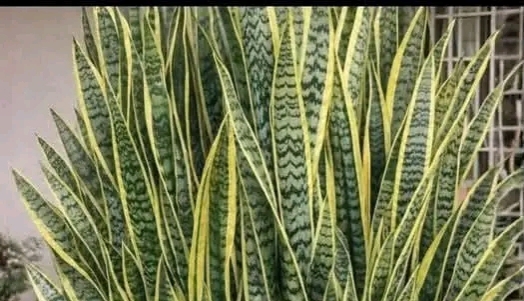
If you are looking for one plant that can survive almost anything, purify your home, and look beautiful in any corner, it is the plant shown in the photo. Known scientifically as Sansevieria trifasciata and now reclassified as Dracaena trifasciata, this plant is commonly called the Snake Plant, Mother-in-Law’s Tongue, or Viper’s Bowstring Hemp. With its tall, upright, sword-like leaves that have a deep green center and bright yellow edges, it is one of the most recognizable and beloved indoor plants in the world.More than just a decoration, this plant has a rich history in different cultures, powerful air-purifying abilities proven by science, and a reputation for being virtually impossible to kill, making it perfect for beginners and busy people.1. Why This Plant Is So Special in Different CulturesFor centuries, this plant has been more than a houseplant. In many African cultures, where it originates from West Africa, its strong fibers were used to make bowstrings, which is where one of its names comes from.In Asian traditions, particularly in Feng Shui and Vastu Shastra, the Snake Plant is considered a highly auspicious plant. Because its leaves grow straight up and are strong and resilient, it is believed to represent upward growth, positive energy, and protection. Many people place it near the entrance of their home or in the corner of a living room to invite good energy, stability, and financial well-being. Its ability to thrive in difficult conditions is seen as a symbol of resilience and prosperity that inspires the household.This spiritual connection is one of the reasons you will see this plant in so many homes, offices, and shops. It’s a living symbol of strength.2. Scientifically Proven Benefits: More Than Just Good LooksA. One of the Best Natural Air Purifiers:The Snake Plant is famous for its ability to clean indoor air. It was included in the famous NASA Clean Air Study. Its leaves absorb common household toxins like formaldehyde, benzene, xylene, and toluene, which are released from furniture, carpets, and cleaning products. What makes it even more unique is that unlike most plants that release oxygen only during the day, the Snake Plant converts CO2 to oxygen at night as well, thanks to its CAM photosynthesis process. This makes it an ideal plant for the bedroom to help you sleep better.B. Extremely Low Maintenance:If you have ever killed a plant before, this one will restore your confidence. The Snake Plant is incredibly drought-tolerant. It stores water in its thick, fleshy leaves, so it can go weeks without water. It tolerates a wide range of light conditions, from bright indirect light to low-light corners where other plants would die. It also doesn’t need frequent fertilizing or pruning.C. Boosts Mental Health and Focus:Studies have shown that having indoor plants like the Snake Plant reduces stress, improves mood, and increases productivity and focus. Its strong architectural shape adds a modern, calming, and minimalist aesthetic to any room, creating a more peaceful environment for work or relaxation.D. Natural Humidity and Allergen Control:By releasing moisture and filtering the air, it can help reduce airborne allergens and slightly increase humidity in dry, air-conditioned rooms, which is beneficial for your skin and respiratory system.3. How to Care for Your Snake Plant: The Complete GuideEven though it is tough, following these simple rules will make your plant thrive and produce many new leaves.Light:The Snake Plant is very adaptable. It grows fastest in bright, indirect light, for example near a window with a sheer curtain. However, it will also survive perfectly well in low-light conditions like a hallway or a north-facing room. Avoid placing it in direct, harsh afternoon sun for many hours, as this can scorch its beautiful yellow edges.Watering: The Most Important RuleLess is more. This is the number one reason people fail with this plant — overwatering. Water only when the soil is completely dry. Stick your finger 3-4 cm into the soil; if it’s dry, it’s time to water. In summer, this might be every 2-3 weeks. In winter, you might water it only once a month or even less. Always make sure the pot has a drainage hole, because standing water will cause root rot.Soil and Pot:Use a well-draining soil mix. A cactus or succulent mix is perfect, or you can mix regular potting soil with some sand or perlite. A terracotta pot, like the one in the photo, is ideal because it allows the soil to breathe and dry out faster. The plant likes to be slightly root-bound, so don’t rush to repot it into a huge pot. Repot only every 2-3 years when the roots start to break the pot.Temperature and Humidity:It loves average household temperatures between 15°C and 28°C. Keep it away from cold drafts and frost, as it is a tropical plant and cannot tolerate temperatures below 10°C. It handles dry indoor air perfectly, so no need for misting.Propagation: How to Make More Plants for FreeThe Snake Plant is very easy to multiply. You can divide the plant by gently separating the rhizomes when you repot it, or you can propagate a single leaf. Cut a healthy leaf into 5-7 cm sections and place them in water or directly into moist soil. After a few weeks, roots will appear and new baby plants will start to grow.4. Where to Place It in Your Home for Maximum EffectBecause of its upright growth and air-purifying power, this plant is incredibly versatile.In the Living Room: Place a large, tall pot like in the photo in an empty corner. It adds height, color, and life without taking much floor space.In the Bedroom: As one of the few plants that produces oxygen at night, it is perfect for improving air quality while you sleep.In the Office or Entrance: Its strong, upward-pointing leaves create a sense of protection and power. Placing it near your front door or on your desk is believed to create a welcoming and prosperous energy.In the Bathroom: If you have a bathroom with some natural light, the Snake Plant will love the humidity and help absorb excess moisture.5. Common Problems and SolutionsYellow, mushy leaves: This is almost always overwatering. Stop watering, remove the damaged leaves, and let the soil dry out completely. Check the roots for rot.Brown, dry tips: This can be from underwatering for too long, too much direct sun, or over-fertilizing.Leaves falling over: If the leaves become droopy, the plant may need more light or has been overwatered and the base is weak.The Snake Plant is non-toxic to touch but can be mildly toxic if ingested, so keep it away from very curious pets and small children who might chew on the leaves.In conclusion, the plant in your photo is not just a plant. It is a resilient companion, a natural air purifier, and a timeless piece of living decor. It asks for almost nothing — a little water, a little light — and in return, it gives you cleaner air, a more beautiful home, and a touch of nature that lasts for years. If you are a beginner, this is the one plant you should start with.