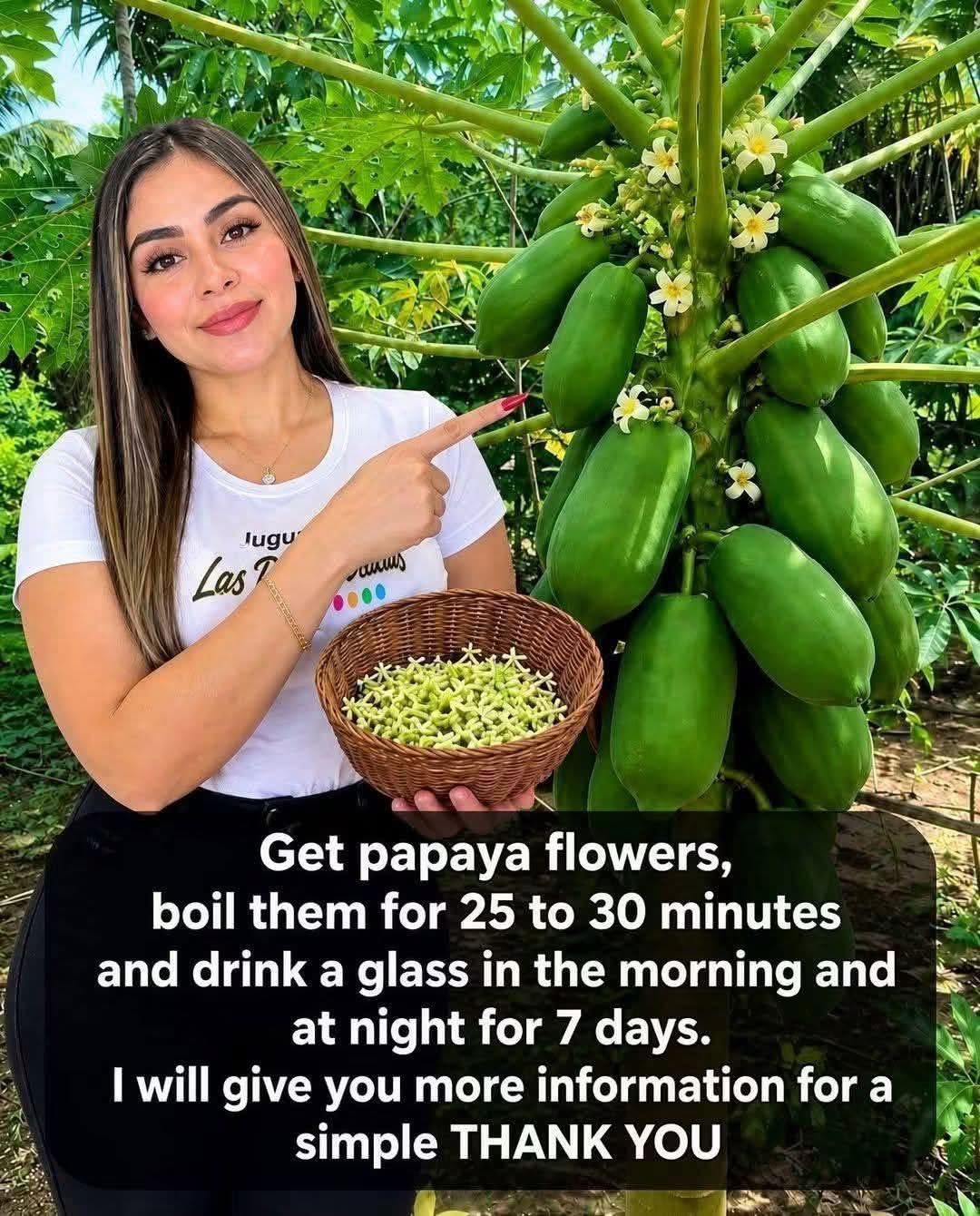
Papaya is a tropical plant known for its sweet fruit, but other parts of the plant have also been used in traditional food preparations. Papaya flowers are among the lesser-known parts of the plant, and they have attracted interest from people exploring traditional ingredients and natural approaches to everyday nutrition.
The papaya plant produces small flowers that may be white, cream-colored, or pale yellow, depending on the plant and its stage of development. These flowers are sometimes used in traditional dishes and herbal preparations in different parts of the world.
Online posts often recommend boiling papaya flowers for 25 to 30 minutes and drinking the resulting liquid in the morning and evening for seven days. However, the health benefits of this particular preparation have not been established by strong clinical research. It should not be considered a proven treatment for diabetes, cancer, infections, or other medical conditions.
Understanding how papaya flowers are used, how to handle them safely, and what is known about their potential nutritional value can help you make informed decisions.
What Are Papaya Flowers
Papaya flowers grow on the papaya plant, scientifically known as Carica papaya. This tropical plant is cultivated in many warm regions because of its fruit, which is commonly eaten fresh or used in juices, salads, desserts, and cooked dishes.
Papaya plants can produce male, female, or hermaphroditic flowers, depending on the plant’s characteristics. Their appearance and arrangement may vary.
The fruit is widely recognized as a source of vitamin C and other nutrients. Papaya leaves, seeds, and flowers have also been discussed in traditional practices, but evidence about one part of the plant cannot automatically be applied to another.
For example, research involving papaya leaf extracts does not establish that papaya flower tea has the same effects. The preparation method, plant part, concentration, and amount consumed can all influence the substances present in a product.
Traditional Uses of Papaya Flowers
Papaya flowers have been used in some traditional food cultures. Depending on the region, the flowers may be cooked with vegetables, spices, onions, or other ingredients.
Some communities also prepare herbal infusions from different plant parts, including flowers. These traditions are of cultural interest, but traditional use alone does not prove that a preparation is effective or safe for treating a medical condition.
It is especially important to distinguish between eating a properly identified edible plant as food and consuming a concentrated herbal preparation for medicinal purposes.
Before using papaya flowers in a recipe, make sure they have been correctly identified and obtained from a source that does not use inappropriate pesticides or other chemicals.
Potential Nutritional Value of Papaya Flowers
The nutritional composition of papaya flowers is not as well established as that of the fruit. The nutrients present in a serving may depend on the flower variety, maturity, growing conditions, and preparation method.
It is therefore difficult to make precise claims about the vitamins, minerals, or other nutrients supplied by a homemade papaya flower drink.
Plant Based Foods and Dietary Variety
Eating a varied diet that includes vegetables, fruits, legumes, whole grains, and suitable protein sources helps provide nutrients needed for normal body functions.
Edible flowers are used in some cuisines to add flavor, texture, and variety to meals. Papaya flowers may be included in traditional recipes where their suitability as food is established.
However, a particular flower preparation should not be described as a complete source of essential nutrients without reliable nutritional data.
Plant Compounds
Plants contain naturally occurring chemical compounds that contribute to their color, taste, aroma, and other characteristics.
Scientists sometimes study plant extracts to understand whether particular compounds have biological activity. Laboratory findings, however, do not necessarily mean that eating the plant or drinking an infusion produces the same effect in humans.
More research is needed to establish the nutritional characteristics, appropriate serving sizes, and potential health effects of papaya flower preparations.
How to Prepare Papaya Flowers for Cooking
If you have correctly identified papaya flowers that are suitable for culinary use, they may be prepared as part of a cooked dish.
The following method is a general food preparation approach, not a medical remedy.
Step One Select Suitable Flowers
Choose fresh flowers from a reliable source. Avoid flowers that have been sprayed with ornamental pesticides or chemicals that are not approved for food use.
Do not collect flowers from roadsides or areas where contamination may be likely.
Step Two Wash the Flowers
Rinse the flowers carefully under clean running water to remove dirt and visible debris.
Discard any flowers that appear spoiled, moldy, or damaged.
Step Three Prepare the Ingredients
Remove unwanted plant material and prepare the flowers according to the requirements of your chosen recipe.
If you are unfamiliar with cooking papaya flowers, consult a reliable regional recipe that identifies the plant part and explains its preparation.
Step Four Cook Thoroughly
Cook the flowers using an established culinary method suitable for the ingredient. Cooking time may vary according to the recipe and the maturity of the flowers.
Do not assume that boiling a plant for 25 to 30 minutes makes every possible preparation safe or medically effective.
Step Five Serve as Part of a Meal
If the flowers are confirmed to be edible and prepared appropriately, serve them as part of a varied meal.
A balanced meal can include vegetables, a source of protein, and whole grains or another suitable source of carbohydrates.
Papaya flowers should not replace prescribed medication or medically recommended dietary measures.
Papaya Flower Tea and the Seven Day Remedy Claim
A popular online claim suggests boiling papaya flowers for 25 to 30 minutes and drinking a glass twice daily for seven days.
Although this instruction appears in social media posts, it should not be treated as a clinically validated recipe.
There is insufficient reliable human evidence to establish that this exact preparation, quantity, and schedule provides a specific health benefit. There is also insufficient information to determine whether it is safe for everyone.
The amount of plant material used, the exact species, the water volume, the presence of other ingredients, and the person’s health can all affect the risks associated with an herbal preparation.
For these reasons, it would be inappropriate to recommend a fixed medicinal dose or promise a particular result based on this social media claim.
People who wish to use papaya flowers as food should follow established culinary guidance. Those considering a medicinal preparation should discuss it with a qualified healthcare professional, particularly if they have an existing medical condition or take regular medication.
Can Papaya Flowers Lower Blood Sugar
Some online herbal remedies are promoted as natural ways to lower blood sugar. However, there is not enough strong clinical evidence to conclude that papaya flower tea reliably treats high blood glucose or diabetes.
Diabetes management may involve dietary changes, physical activity, glucose monitoring, and medication prescribed according to an individual’s needs.
An herbal drink should not replace insulin or other diabetes medication. Delaying treatment or changing medication without medical advice can lead to serious complications.
People with diabetes should also be careful with unfamiliar herbal products because their composition and effects may not be predictable.
If blood glucose readings are frequently outside the recommended range, consult a healthcare professional rather than relying on an unproven flower infusion.
Can Papaya Flowers Treat Cancer
There is no reliable clinical evidence that drinking papaya flower tea cures cancer or can replace established cancer treatments.
Research into plant extracts sometimes examines their effects on cells in laboratory settings. Such research can help scientists identify questions for future studies, but it does not demonstrate that a homemade drink treats cancer in humans.
Cancer treatment depends on the type of cancer, its stage, and the patient’s overall circumstances. Evidence-based care may involve surgery, radiation therapy, chemotherapy, immunotherapy, targeted therapies, or other specialist treatments.
People receiving cancer treatment should tell their healthcare team about any herbal preparations or supplements they are considering. Some products can interact with medications, affect side effects, or complicate treatment.
Papaya flowers should never be presented as a substitute for cancer diagnosis, professional care, or prescribed treatment.
Possible Risks and Precautions
Natural ingredients can still cause unwanted effects. The safety of papaya flower preparations has not been sufficiently established for every population or every method of preparation.
Pregnancy and Breastfeeding
There is insufficient reliable safety information about medicinal papaya flower preparations during pregnancy and breastfeeding.
People who are pregnant, planning pregnancy, or breastfeeding should avoid using unfamiliar herbal remedies medicinally unless their healthcare professional confirms that they are appropriate.
Allergic Reactions
Some people may experience allergic reactions to plant materials.
Stop using a preparation if you develop itching, swelling, a rash, or other unexpected symptoms. Difficulty breathing or swelling of the throat requires emergency medical attention.
Medication Interactions
Herbal preparations may contain compounds that interact with certain medications. The risk depends on the preparation, concentration, and individual health circumstances.
People taking regular medication, especially for chronic conditions, should consult a qualified healthcare professional before using papaya flowers as a medicinal drink.
Plant Identification
Correct identification is essential when preparing any wild or unfamiliar plant for consumption.
Do not consume flowers based only on a photograph or a social media description. Different plants can look similar, and the safety of one species does not establish the safety of another.
Food Hygiene
Use clean water, clean utensils, and flowers from a reliable source. Discard spoiled plant material and follow safe food handling practices.
If a prepared drink has been left at room temperature for an extended period, do not assume it remains safe simply because it was boiled earlier.
Better Habits for Everyday Health
No single herbal drink can replace the basic habits that support general well-being.
A varied diet provides a broad range of nutrients. Regular physical activity can support cardiovascular health and overall fitness. Adequate sleep and appropriate hydration also contribute to everyday health.
For people managing chronic conditions, regular medical appointments and following an individualized treatment plan are particularly important.
If you enjoy traditional foods, properly identified edible plants can sometimes add variety to your meals. The key is to understand the difference between a culinary ingredient and a remedy claimed to treat disease.
Be cautious with online posts that promise dramatic results within a few days, particularly when they claim to cure serious illnesses or suggest stopping prescribed treatment.
Frequently Asked Questions About Papaya Flowers
What Are Papaya Flowers Used For
Papaya flowers are used in some traditional cuisines and food preparations. Their suitability depends on correct identification and safe preparation.
How Long Should Papaya Flowers Be Boiled
Cooking time depends on the recipe and the intended use. The 25 to 30 minute instruction circulated online has not been established as a medically validated preparation method.
Can I Drink Papaya Flower Tea Every Morning
There is insufficient evidence to recommend a specific daily medicinal dose. Safety may vary according to the preparation and individual circumstances. Seek professional advice before using it as a remedy.
Can Papaya Flowers Cure Diabetes
No reliable clinical evidence establishes papaya flower tea as a cure for diabetes. It should not replace prescribed medication or professional diabetes care.
Are Papaya Flowers a Cancer Treatment
Papaya flower tea is not a proven cancer treatment. Anyone receiving cancer care should discuss herbal products with their oncology team.
Are Papaya Flowers Safe During Pregnancy
The safety of medicinal papaya flower preparations during pregnancy has not been sufficiently established. Consult a qualified healthcare professional before using them medicinally.
Final Thoughts
Papaya flowers are an interesting part of the papaya plant and have a place in some traditional food cultures. However, their nutritional composition and medicinal effects are less well established than those of the familiar papaya fruit.
The popular recommendation to boil papaya flowers for 25 to 30 minutes and drink the liquid twice daily for seven days should not be treated as a proven health remedy. There is insufficient reliable evidence that this preparation cures disease or safely provides a specific medical benefit.
If you wish to explore papaya flowers, prioritize correct identification, food safety, and established culinary uses. Consult a healthcare professional before using unfamiliar herbal preparations medicinally, especially if you are pregnant, take medication, or have a chronic health condition.
A balanced diet, healthy daily habits, and appropriate medical care remain the most dependable foundation for long-term health.