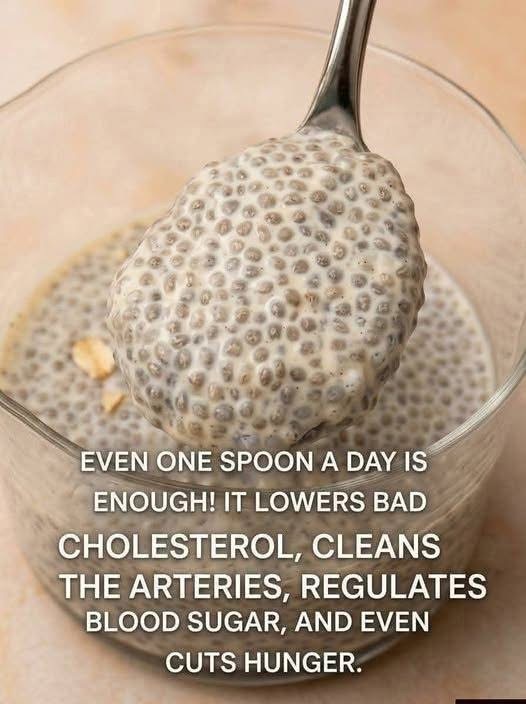
Chia seeds are small edible seeds that have become popular among people looking for simple ways to improve their daily nutrition. They are easy to add to smoothies, yogurt, oatmeal, and homemade puddings. Despite their small size, chia seeds provide dietary fiber, plant-based omega-3 fatty acids, protein, and several important minerals.
One of the most popular ways to enjoy chia seeds is by soaking them in milk or water until they develop a soft, gel-like texture. This simple preparation makes them a convenient ingredient for breakfast and healthy snacks.
Chia seeds are also frequently discussed for their possible effects on cholesterol, blood sugar, appetite, and heart health. While they offer valuable nutrients, some claims circulating online exaggerate their benefits. Eating one spoonful a day can contribute to a balanced diet, but it cannot clean arteries or replace medical treatment.
In this article, you will discover the nutritional value of chia seeds, their potential health benefits, how to prepare them, and the precautions to consider before adding them to your routine.
What Are Chia Seeds
Chia seeds come from the plant Salvia hispanica, which belongs to the mint family. They have been consumed for centuries, particularly in parts of Central America and Mexico.
The seeds are usually black, gray, or white and have a mild flavor. When mixed with liquid, they absorb water and form a gel-like coating. This property makes them useful for thickening puddings, preparing overnight oats, and creating egg substitutes in some recipes.
Chia seeds are especially valued for their fiber content, plant-based omega-3 fatty acids, and ability to add texture to meals without requiring complicated preparation.
Nutritional Value of Chia Seeds
Chia seeds contain several nutrients that can support a balanced eating pattern.
Dietary Fiber
Chia seeds are rich in dietary fiber, including soluble fiber that forms a gel when exposed to water. Fiber helps support normal digestion and can contribute to regular bowel movements.
Fiber-rich foods may also help people feel satisfied after eating. This can be useful when planning balanced meals, although chia seeds alone do not guarantee weight loss.
Plant-Based Omega-3 Fatty Acids
Chia seeds contain alpha-linolenic acid, commonly known as ALA. ALA is an essential omega-3 fatty acid that the body cannot produce on its own, so it must come from food.
Omega-3 fatty acids are important components of a healthy diet. However, ALA is different from the omega-3 fatty acids EPA and DHA found in oily fish and certain marine foods.
Protein
Chia seeds provide plant-based protein, which contributes to the maintenance and repair of body tissues. They can complement other protein sources such as beans, lentils, eggs, yogurt, nuts, and fish.
Minerals
Chia seeds contain minerals such as calcium, magnesium, phosphorus, and iron. These nutrients play important roles in normal body functions, including bone health, energy metabolism, and oxygen transport.
The nutritional contribution depends on the portion size and the rest of the diet.
Potential Health Benefits of Chia Seeds
1. They May Support Healthy Cholesterol Levels
Chia seeds contain fiber and ALA, two dietary components that are relevant to cardiovascular health.
Soluble fiber can help reduce the absorption of cholesterol in the digestive system. Diets that include adequate fiber, vegetables, fruits, legumes, whole grains, and unsaturated fats can support healthier blood cholesterol levels.
Research specifically examining chia seeds has produced mixed results. Some studies have found improvements in certain cardiovascular markers, while others have not found consistent effects.
Chia seeds should therefore be viewed as one part of a heart-conscious diet rather than a treatment for high cholesterol.
2. They Do Not Clean or Unclog Arteries
A common claim online is that chia seeds clean the arteries. This statement is misleading.
Arteries can become narrowed by the buildup of plaque, which contains cholesterol, fats, and other substances. Chia seeds cannot physically remove this plaque or reverse established arterial disease.
A balanced diet containing fiber-rich foods and unsaturated fats may help support cardiovascular health over time. However, people with high cholesterol, high blood pressure, or cardiovascular disease should follow medical advice and take prescribed medication when necessary.
3. They May Help Support Blood Sugar Management
The fiber in chia seeds slows digestion and may influence how quickly carbohydrates are absorbed when they are eaten as part of a meal.
This may help moderate the rise in blood glucose after eating, depending on the overall meal composition and individual circumstances.
However, research on the direct effects of chia seeds on blood sugar remains limited and mixed. Chia seeds are not a cure for diabetes and should not replace prescribed medication, glucose monitoring, or professional dietary guidance.
People with diabetes can discuss appropriate portion sizes with their healthcare professional, especially if they are making significant changes to their diet.
4. They May Help You Feel Full
One reason chia seeds are popular in weight-management diets is their high fiber content.
When soaked, chia seeds absorb liquid and develop a thick texture. Fiber and the added volume of a chia-based meal may contribute to a feeling of fullness.
Adding chia seeds to yogurt, oatmeal, or a balanced breakfast may help some people feel satisfied for longer. However, weight management depends on many factors, including overall calorie intake, physical activity, sleep, and eating habits.
Chia seeds do not directly burn body fat, and consuming a spoonful every day does not guarantee weight loss.
5. They Support Digestive Health
Dietary fiber is important for normal digestive function. Chia seeds can help increase daily fiber intake, which may support bowel regularity.
However, suddenly eating large amounts of fiber can cause bloating, gas, or abdominal discomfort, particularly in people who are not accustomed to fiber-rich foods.
Start with a small portion and increase it gradually as tolerated. Drinking enough water is also important when increasing fiber intake.
People with certain digestive conditions or swallowing difficulties should seek professional advice before adding large amounts of chia seeds to their diet.
6. They Provide Nutrients for Heart Health
Chia seeds provide ALA, fiber, and minerals that can contribute to an overall nutritious eating pattern.
A heart-conscious diet generally emphasizes vegetables, fruits, whole grains, beans, nuts, seeds, and suitable sources of protein. It also limits excessive sodium, trans fats, and high intakes of saturated fat.
No single food can prevent every heart problem. Chia seeds are most useful when they complement a varied diet and healthy lifestyle.
How to Prepare Chia Seeds
One of the easiest ways to enjoy chia seeds is to soak them in liquid. This creates a soft texture that works well in breakfast dishes and snacks.
Ingredients
- 1 tablespoon of chia seeds
- Half a cup of milk or an unsweetened plant-based alternative
- A small amount of vanilla, if desired
- Fresh fruit for serving, if desired
Preparation Method
- Place the chia seeds in a clean glass or small bowl.
- Add the milk or plant-based alternative.
- Stir thoroughly to prevent the seeds from clumping together.
- Wait approximately five minutes, then stir again.
- Cover the container and refrigerate for at least two hours or overnight.
- Check the texture and add a little more liquid if the mixture is too thick.
- Add fresh fruit or a small amount of cinnamon before serving.
The result is a simple chia pudding that can be eaten for breakfast or as a snack.
You can also add chia seeds to oatmeal, yogurt, smoothies, or homemade whole-grain recipes.
How Much Chia Seeds Should You Eat Daily
There is no single amount that is ideal for everyone. A tablespoon is a practical starting portion for many adults, while the appropriate amount depends on individual dietary needs and tolerance.
If you are new to chia seeds, begin with a small quantity and increase gradually. This can help your digestive system adjust to the additional fiber.
Always consider the rest of your diet. Eating more chia seeds is not necessarily better, and they should complement rather than replace other nutritious foods.
Important Safety Precautions
Although chia seeds are a common food, a few precautions can make them easier and safer to enjoy.
Soak Them When Appropriate
Chia seeds absorb liquid and expand. Avoid swallowing a large spoonful of dry chia seeds by itself, especially if you have difficulty swallowing. In rare cases, dry seeds may swell and cause an obstruction in the esophagus.
Mixing chia seeds with sufficient liquid and allowing them to hydrate is a sensible precaution.
Drink Enough Water
Because chia seeds contain substantial amounts of fiber, adequate fluid intake is important. Increasing fiber too quickly may cause digestive discomfort.
Watch for Allergic Reactions
Although uncommon, allergic reactions to chia seeds can occur. Stop eating them if you experience symptoms such as itching, swelling, or a rash. Difficulty breathing or swelling of the throat requires emergency medical attention.
Consider Existing Medical Conditions
People with swallowing disorders, certain digestive conditions, or specific dietary restrictions should seek individualized advice before consuming chia seeds regularly.
If you take medication or have a chronic health condition, ask your healthcare professional whether a substantial increase in fiber intake is appropriate for you.
Frequently Asked Questions
Is One Spoonful of Chia Seeds a Day Enough?
One tablespoon can contribute fiber, ALA, and other nutrients to your diet. However, it is not a treatment for high cholesterol, diabetes, or cardiovascular disease. The benefits depend on your overall eating pattern and health needs.
Do Chia Seeds Lower Bad Cholesterol?
Chia seeds contain fiber and plant-based omega-3 fatty acids that may support cardiovascular health. However, studies of their direct effects on LDL cholesterol have produced mixed results. They should not replace prescribed cholesterol-lowering treatment.
Can Chia Seeds Unclog Arteries?
No. There is no reliable evidence that chia seeds physically clean or unclog arteries. They can be part of a heart-healthy diet, but arterial disease requires appropriate medical assessment and management.
Can Chia Seeds Help With Weight Loss?
Their fiber content may help increase fullness when they are included in balanced meals. However, chia seeds do not burn fat on their own, and weight loss depends on overall eating habits, physical activity, and other individual factors.
Should Chia Seeds Be Eaten Raw or Soaked?
Chia seeds can be included in different foods, but soaking them is particularly useful because they absorb liquid and develop a softer texture. People with swallowing difficulties should avoid consuming dry seeds.
Can I Add Chia Seeds to Water?
Yes. Chia seeds can be mixed with water and allowed to hydrate before drinking. Stir the mixture well and allow enough time for the seeds to absorb liquid. Do not swallow a large quantity of dry seeds.
Conclusion
Chia seeds are a nutritious and versatile food that can contribute fiber, plant-based omega-3 fatty acids, protein, and minerals to everyday meals. Adding a tablespoon to yogurt, oatmeal, smoothies, or a homemade pudding is a simple way to enjoy their nutritional value.
Their fiber content may support digestion and fullness, while their nutrients can contribute to a balanced, heart-conscious diet. Nevertheless, claims that chia seeds clean arteries, cure diabetes, or guarantee weight loss are not supported by sufficient scientific evidence.
For the best results, enjoy chia seeds as part of a varied diet, increase fiber intake gradually, and hydrate the seeds when appropriate. If you have a medical condition or take medication, consult a qualified healthcare professional before using chia seeds as part of a targeted health plan.