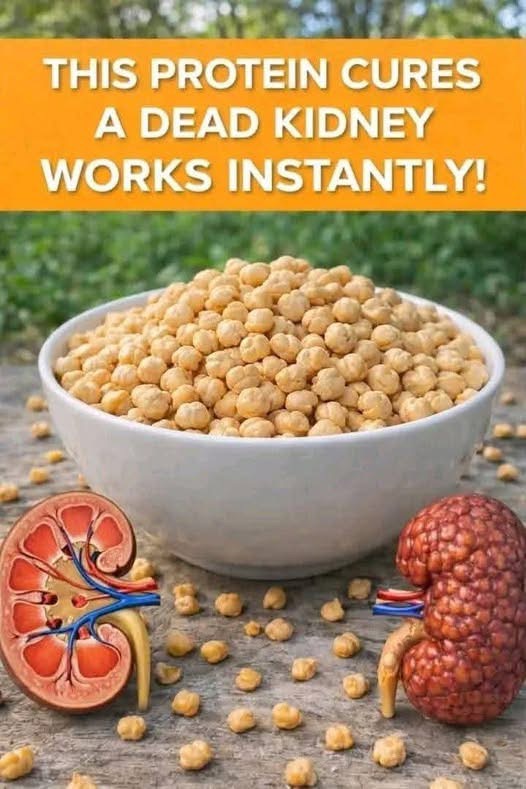
Chickpeas are among the most popular legumes in the world. They are affordable, versatile, and packed with important nutrients that support overall health. Often used in salads, soups, stews, and traditional dishes, chickpeas provide plant based protein, dietary fiber, vitamins, and minerals that help the body function properly.
In recent years, claims have circulated online suggesting that certain proteins can instantly cure damaged kidneys. Although chickpeas are nutritious and can be part of a balanced diet, it is important to understand what science actually says about their relationship with kidney health.
There is currently no food or protein proven to instantly restore a kidney that has permanently stopped functioning. However, choosing appropriate foods and following medical advice can help people maintain their overall health and manage certain kidney conditions.
What Are Chickpeas
Chickpeas, also known as garbanzo beans, are legumes that have been cultivated for thousands of years. They are widely consumed in Mediterranean, Middle Eastern, South Asian, and North African cuisines.
They are available in several forms, including dried chickpeas, canned chickpeas, roasted chickpeas, and chickpea flour. Their mild flavor makes them suitable for many recipes, from traditional hummus to Moroccan stews and fresh vegetable salads.
Chickpeas are especially valued for their nutritional composition. They contain plant based protein, complex carbohydrates, fiber, folate, iron, and other essential nutrients.
Because they are filling and versatile, chickpeas can be a useful addition to a healthy eating pattern.
Nutritional Benefits of Chickpeas
A Source of Plant Based Protein
Protein is essential for building and repairing tissues, producing enzymes, and supporting normal immune function. Chickpeas provide plant based protein, making them a useful option for people who want to include more legumes in their diets.
Unlike some animal based protein sources, chickpeas also contain dietary fiber and relatively little saturated fat.
However, protein requirements differ from person to person. People with chronic kidney disease may need individualized guidance about how much protein to consume. Eating more protein is not automatically better for kidney health, particularly for individuals whose kidney function is reduced.
Rich in Dietary Fiber
Chickpeas contain soluble and insoluble fiber. Dietary fiber supports digestive health, helps maintain regular bowel movements, and contributes to feelings of fullness after meals.
A fiber rich diet can also help support healthy cholesterol levels and blood sugar management.
These benefits may contribute to better overall metabolic health, which is important because diabetes and high blood pressure are major risk factors for chronic kidney disease.
Nevertheless, fiber does not directly repair damaged kidney tissue or replace medical treatment.
Support Healthy Blood Sugar Levels
Chickpeas contain complex carbohydrates and fiber, which can slow digestion and help moderate the rise in blood glucose after a meal.
Including legumes in balanced meals may help people manage their blood sugar levels, especially when chickpeas replace foods made with refined carbohydrates.
Maintaining healthy blood glucose levels is particularly important for people with diabetes because prolonged high blood sugar can damage the small blood vessels in the kidneys.
People who take medication for diabetes should continue following their prescribed treatment and monitor their blood sugar as recommended by their healthcare professional.
Provide Important Vitamins and Minerals
Chickpeas contain several nutrients that contribute to normal body function.
Folate supports cell division and the formation of healthy blood cells. Iron is necessary for oxygen transport throughout the body. Magnesium contributes to muscle and nerve function, while other nutrients support metabolism and general health.
The amount of each nutrient depends on the variety of chickpeas, preparation method, and serving size.
Although these nutrients are valuable, no single food supplies everything the body needs. A varied diet is generally the best way to obtain a broad range of essential nutrients.
Are Chickpeas Good for Kidney Health
Chickpeas can be included in many healthy diets, but their suitability depends on an individual’s kidney function, blood test results, and medical needs.
For people with healthy kidneys, chickpeas can provide fiber, plant based protein, and nutrients as part of a balanced diet.
For people with chronic kidney disease, the situation may be more complicated. Chickpeas contain phosphorus and potassium, two minerals that some people with advanced kidney disease may need to monitor carefully.
Not everyone with kidney disease needs to restrict these minerals. Recommendations depend on the stage of kidney disease, blood levels, medications, and whether the person receives dialysis.
Therefore, people with kidney problems should ask their doctor or renal dietitian whether chickpeas are appropriate for them and what portion size is suitable.
It is not necessary for every person with kidney disease to eliminate legumes. In many cases, plant based foods can still be included with individualized dietary planning.
Can Chickpeas Repair Damaged Kidneys
One of the most important points to understand is that chickpeas do not cure kidney failure.
The kidneys filter waste products from the blood, regulate fluid balance, help control blood pressure, and maintain the body’s electrolyte balance. When kidney function becomes severely impaired, these processes can be disrupted.
Some causes of acute kidney injury are reversible when treated promptly. Chronic kidney disease, however, can involve lasting damage that may not be reversible.
Chickpeas can contribute nutrients to a healthy diet, but there is no reliable scientific evidence that eating chickpeas can instantly restore kidney function, regenerate a completely failed kidney, or eliminate the need for medical treatment.
Anyone experiencing kidney problems should seek appropriate medical evaluation rather than relying on foods or online remedies advertised as cures.
Foods That Can Help Support Overall Kidney Health
There is no universal kidney diet that works for everyone. However, several dietary habits may help support general health and reduce risk factors associated with kidney disease.
Eat a Variety of Vegetables and Fruits
Vegetables and fruits provide vitamins, fiber, and beneficial plant compounds. The best choices depend on individual nutritional needs.
People with advanced kidney disease or elevated blood potassium levels may need professional guidance when choosing foods that contain substantial amounts of potassium.
Choose Appropriate Protein Sources
Protein is necessary for maintaining muscles and repairing tissues. Sources include beans, lentils, chickpeas, eggs, fish, poultry, dairy products, and other foods.
The appropriate amount depends on kidney function, nutritional status, and medical treatment. People with chronic kidney disease should avoid making major changes to their protein intake without professional advice.
Limit Excess Sodium
Too much sodium can contribute to high blood pressure and fluid retention. Both can place additional strain on the cardiovascular system and complicate kidney disease.
Reducing the use of salt, limiting highly processed foods, and checking food labels can help many people manage their sodium intake.
People with kidney disease should follow the sodium recommendations provided by their healthcare team.
Maintain Healthy Blood Pressure
High blood pressure can damage the blood vessels inside the kidneys over time. Keeping blood pressure within an appropriate range is therefore an important part of kidney health.
Regular physical activity, balanced nutrition, medication when prescribed, and routine medical monitoring can help manage blood pressure.
Manage Diabetes
Diabetes is a leading cause of chronic kidney disease. Keeping blood glucose levels within the target range recommended by a healthcare professional can help reduce the risk of kidney complications.
A balanced diet, regular monitoring, physical activity, and prescribed medications all play important roles.
How to Prepare Chickpeas for a Healthy Diet
Chickpeas are easy to incorporate into everyday meals. Dried chickpeas should generally be soaked and cooked thoroughly according to food safety recommendations. Canned chickpeas are convenient and can be rinsed under running water to remove some of the added sodium.
Here are several simple ways to enjoy them.
Chickpea and Vegetable Salad
Combine cooked chickpeas with cucumber, tomato, lettuce, parsley, and a small amount of olive oil. Add lemon juice and herbs for flavor.
This salad provides fiber and plant based nutrients and can serve as part of a balanced meal.
If you have kidney disease, choose ingredients and portion sizes according to your dietary requirements.
Chickpea Soup
Cook chickpeas with suitable vegetables, herbs, and spices until tender. Use a moderate amount of salt, or prepare the soup without added salt if recommended by your healthcare professional.
Homemade soup makes it easier to control ingredients and avoid excessive sodium.
Chickpeas With Whole Grains
Serve chickpeas with an appropriate portion of rice, whole grain bread, or another grain to create a filling meal.
The best combination depends on individual energy needs, blood glucose goals, and any dietary restrictions related to kidney disease.
Who Should Be Careful When Eating Chickpeas
Although chickpeas are safe for most people, some individuals may need to adjust their intake.
People with chronic kidney disease should discuss potassium, phosphorus, protein, and portion sizes with a renal dietitian when necessary.
Individuals who experience bloating or gas after eating legumes may benefit from starting with smaller portions and increasing their intake gradually.
Anyone with a chickpea allergy should avoid chickpeas and products containing them.
People taking medication or following a medically prescribed diet should not replace their treatment plan with a diet based on chickpeas or any other single food.
Warning Signs of Kidney Problems
Kidney disease may develop without obvious symptoms during its early stages. When symptoms occur, they can include swelling in the legs or ankles, changes in urination, persistent fatigue, nausea, or shortness of breath.
These symptoms can have many possible causes and cannot confirm kidney disease on their own.
A healthcare professional may recommend blood tests, urine tests, blood pressure measurements, and other examinations to assess kidney function.
Seek urgent medical attention for severe shortness of breath, confusion, chest pain, or a sudden major reduction in urine output, particularly if these symptoms develop suddenly.
Early diagnosis and appropriate treatment can be important for preventing complications.
Final Thoughts
Chickpeas are nutritious legumes that provide plant based protein, dietary fiber, folate, iron, and other valuable nutrients. They can be part of a balanced diet and may support general health when consumed alongside other appropriate foods.
However, the claim that a protein in chickpeas can instantly cure a dead kidney is misleading and unsupported by scientific evidence. Kidney failure requires proper medical assessment and treatment, and dietary needs vary considerably between individuals.
People with healthy kidneys can generally enjoy chickpeas as part of a varied diet. Those living with kidney disease should consult their healthcare team to determine suitable portions and whether they need to manage potassium, phosphorus, protein, or sodium intake.
The best approach to kidney health is not relying on a miracle food. It is combining appropriate nutrition, blood pressure and blood sugar management, regular medical checkups, and evidence based treatment when needed.
Medical Disclaimer: This article is for educational purposes only and is not a substitute for professional medical advice, diagnosis, or treatment. Anyone with kidney disease or suspected kidney failure should consult a qualified healthcare professional before making significant dietary changes.