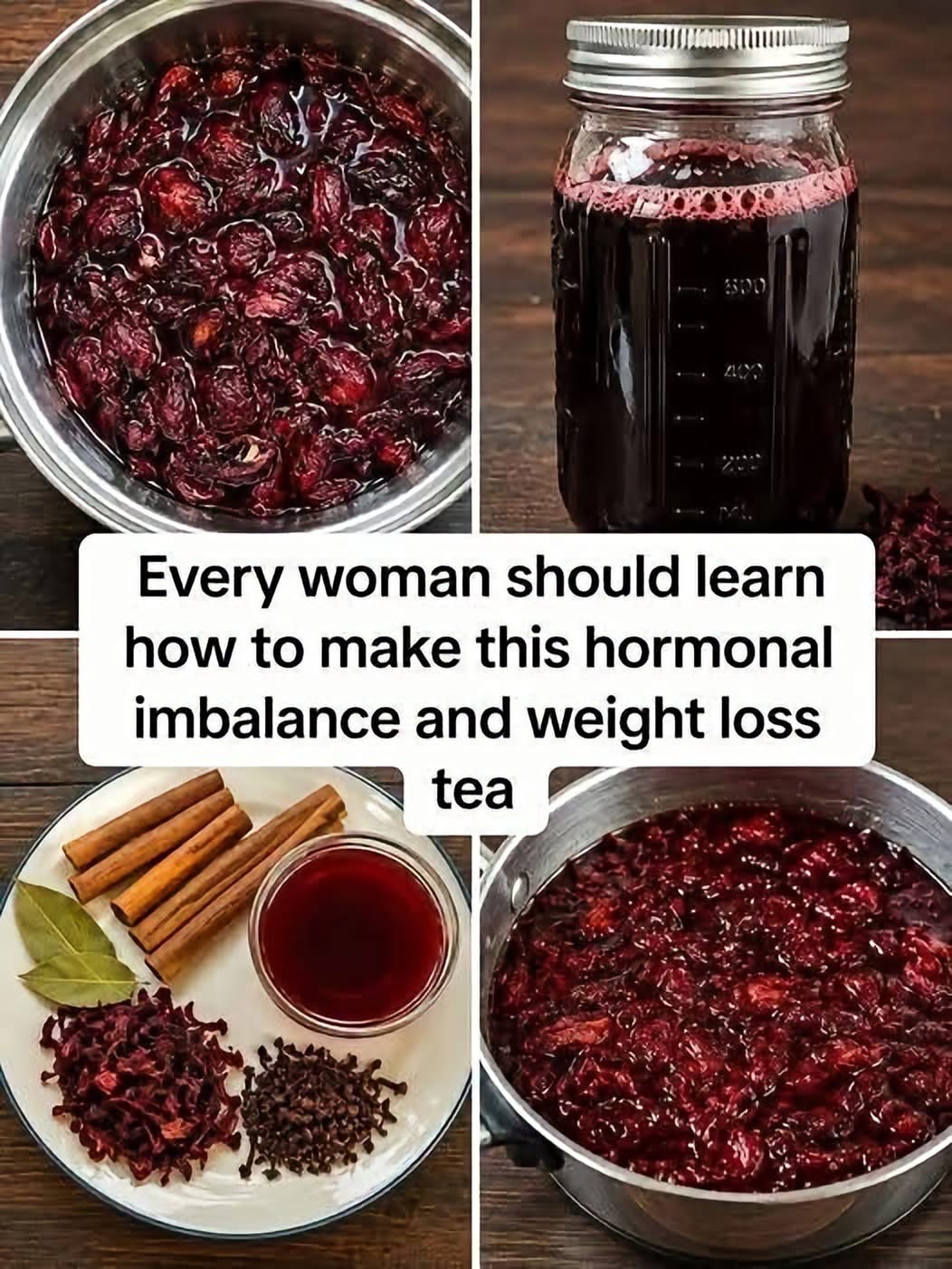
Hibiscus tea is a colorful herbal drink known for its deep red color, refreshing taste, and naturally tart flavor. Made from dried hibiscus flowers, this beverage can be enjoyed hot or cold and is often combined with ingredients such as cinnamon, cloves, bay leaves, and ginger for extra flavor.
Many people drink hibiscus tea as part of their daily wellness routine. It is especially popular among those looking for simple ways to stay hydrated, support healthy lifestyle habits, and enjoy a flavorful alternative to sugary beverages.
Although hibiscus tea is sometimes promoted online as a natural remedy for hormonal imbalance and weight loss, it is important to understand what this drink can realistically do. No herbal tea has been proven to balance all female hormones or cause significant weight loss on its own. However, unsweetened hibiscus tea can be part of a balanced diet and a healthy daily routine.
In this article, you will learn how to prepare hibiscus tea with simple ingredients, explore its potential benefits, understand its limitations, and discover important safety precautions.
What Is Hibiscus Tea
Hibiscus tea is an herbal infusion made from the dried calyces of the hibiscus plant, commonly known as Hibiscus sabdariffa. These deep red plant parts produce a ruby-colored drink with a tangy, slightly fruity taste.
The tea is enjoyed in many countries around the world and is known by different names, including bissap in parts of West Africa and karkade in Egypt and other regions.
Hibiscus contains naturally occurring plant compounds, including anthocyanins and other polyphenols. These compounds are studied for their antioxidant properties.
Depending on the recipe, hibiscus tea may be prepared using dried hibiscus flowers alone or combined with spices such as cinnamon and cloves. These additional ingredients can enhance the flavor, but they should not be considered a proven treatment for hormonal disorders or excess body weight.
Ingredients for Homemade Hibiscus Tea
You can prepare this simple herbal drink using a few common ingredients.
Ingredients
- 2 tablespoons dried hibiscus flowers
- 4 cups water
- 1 small cinnamon stick
- 3 to 4 whole cloves
- 1 small bay leaf, optional
- A few thin slices of fresh ginger, optional
- Lemon juice, optional
- Honey, optional, in a small amount
Choose food-grade dried hibiscus flowers from a reliable supplier. Avoid flowers that have been treated with chemicals or are intended only for decorative use.
You can adjust the ingredients according to your taste. If you prefer a stronger flavor, use a little more hibiscus or allow the mixture to steep longer.
How to Make Hibiscus Tea Step by Step
Preparing hibiscus tea at home is simple and requires only a saucepan, water, and a few minutes of your time.
Step 1 Prepare the Ingredients
Measure the dried hibiscus flowers and gather the spices you want to use. If you are using fresh ginger, wash it thoroughly and cut it into thin slices.
Step 2 Boil the Water
Pour four cups of water into a saucepan and bring it to a boil.
Step 3 Add the Hibiscus and Spices
Add the dried hibiscus flowers, cinnamon stick, cloves, and optional ginger or bay leaf.
Reduce the heat and allow the mixture to simmer gently for approximately five minutes.
Step 4 Allow the Tea to Steep
Turn off the heat and let the tea steep for another five to ten minutes. A longer steeping time will generally produce a stronger color and a more pronounced tart flavor.
Step 5 Strain the Mixture
Carefully strain the liquid into a heat-safe container or teapot. Discard the used flowers and spices.
Step 6 Serve and Enjoy
Drink the tea warm or allow it to cool before serving over ice. Add a little lemon juice if desired.
For a healthier everyday beverage, enjoy the tea without added sugar. If you prefer a sweeter taste, use only a small amount of sweetener.
Potential Benefits of Hibiscus Tea
Hibiscus tea has attracted scientific interest because of its plant compounds and possible effects on certain aspects of health. However, the strength of the evidence varies, and drinking the tea should not replace medical care.
1. It Provides Antioxidant Plant Compounds
Hibiscus contains anthocyanins and other polyphenols. These compounds have antioxidant activity, meaning they can help neutralize certain reactive molecules in laboratory settings.
Including a variety of plant foods and unsweetened herbal drinks in your diet can contribute to an overall healthy eating pattern.
However, antioxidant content alone does not prove that a beverage prevents or treats a specific disease.
2. It May Support Healthy Blood Pressure
Some clinical studies suggest that hibiscus preparations may modestly reduce blood pressure in certain adults.
The results can vary depending on the preparation, amount consumed, duration of use, and individual health conditions. More research is needed to establish the best dose and long-term effects.
People with high blood pressure should continue following their healthcare professional’s advice. Hibiscus tea is not a substitute for prescribed medication.
3. It Can Help Replace Sugary Drinks
One practical benefit of unsweetened hibiscus tea is that it can replace sugar-sweetened beverages.
Drinking fewer high-calorie beverages may help reduce overall calorie intake, which can support gradual weight management when combined with a balanced diet and regular physical activity.
The benefit comes largely from the substitution itself rather than from a special fat-burning effect.
4. It Supports Hydration
Water is essential for normal body functions, and herbal tea can contribute to daily fluid intake.
Hibiscus tea offers a flavorful alternative for people who find plain water less appealing. You can prepare a large batch, refrigerate it, and enjoy it throughout the day.
Individual fluid needs vary, especially for people with certain medical conditions, so follow any fluid restrictions recommended by your healthcare professional.
5. It Can Be Part of a Healthy Routine
Preparing a cup of herbal tea can be a simple way to create a relaxing daily ritual.
Pairing this habit with regular meals, sufficient sleep, stress management, and physical activity is more likely to support overall wellness than relying on a single drink.
Can Hibiscus Tea Balance Female Hormones
The claim that hibiscus tea balances female hormones is common on social media, but there is not enough reliable human evidence to support it as a treatment for hormonal imbalance.
Hormones regulate many processes, including menstrual cycles, reproductive health, metabolism, sleep, and mood. Changes in hormone levels can occur for several reasons, including pregnancy, menopause, thyroid disorders, polycystic ovary syndrome, certain medications, and other medical conditions.
Hibiscus tea has not been established as a treatment for these problems.
If you experience irregular periods, persistent acne, unusual hair growth, unexplained weight changes, hot flashes, or ongoing fatigue, consider speaking with a qualified healthcare professional. The appropriate evaluation depends on your symptoms and medical history.
A balanced diet and healthy lifestyle can support general health, but they cannot replace diagnosis and treatment when a hormonal condition is present.
Can Hibiscus Tea Help With Weight Loss
Hibiscus tea is not a proven weight-loss treatment, and there is insufficient evidence that it directly burns body fat in humans.
Nevertheless, it may be useful as part of a weight-management plan for several practical reasons.
First, unsweetened tea contains very few calories. Replacing sweetened drinks with it can make it easier to manage calorie intake.
Second, drinking a warm or cold beverage can help satisfy the desire for something flavorful without adding a large number of calories.
Third, preparing herbal tea at home can encourage healthier beverage choices instead of relying on sugary commercial drinks.
For sustainable weight management, focus on balanced meals containing vegetables, fruits, whole grains, protein sources, and healthy fats. Regular physical activity, adequate sleep, and realistic long-term habits are also important.
Be cautious of claims promising rapid weight loss, a flat stomach, or dramatic changes in body shape from drinking a particular tea.
Why Are Cinnamon, Cloves, and Bay Leaves Added
These ingredients are commonly used to enhance the taste and aroma of herbal drinks.
Cinnamon
Cinnamon adds warmth and a naturally sweet aroma. Some research has examined its possible effects on blood sugar and metabolic health, but the findings are not sufficient to recommend cinnamon tea as a treatment for diabetes or hormonal imbalance.
Cloves
Cloves have a strong, distinctive flavor and contain plant compounds such as eugenol. Culinary amounts can be used to flavor beverages, but concentrated clove preparations should not be treated as harmless remedies.
Bay Leaves
Bay leaves provide a subtle herbal aroma. They are commonly used in cooking, although there is limited evidence that bay leaf tea offers specific medical benefits.
Ginger
Ginger adds a fresh, slightly spicy taste. It can make hibiscus tea more flavorful, but adding ginger does not turn the drink into a proven weight-loss or hormone-balancing remedy.
These ingredients are optional. A simple hibiscus infusion can be enjoyable without them.
How Often Can You Drink Hibiscus Tea
There is no universally established dose of hibiscus tea for weight loss or hormonal health.
If you are a healthy adult who enjoys herbal beverages, a modest serving may fit into your routine. However, the appropriate amount depends on your health, medications, and individual tolerance.
Avoid assuming that drinking larger quantities will produce greater benefits. More is not necessarily better, particularly when an herb may affect blood pressure or interact with medication.
If you are considering drinking hibiscus tea regularly for a health concern, ask a healthcare professional whether it is appropriate for you.
Important Safety Precautions
Although hibiscus tea is a familiar beverage in many cultures, it is not suitable for everyone in every circumstance.
People With Low Blood Pressure
Hibiscus may lower blood pressure in some people. If your blood pressure is naturally low or you experience dizziness or fainting, consult a healthcare professional before using it regularly.
People Taking Medication
Hibiscus may interact with certain medicines, including some used to manage blood pressure or blood sugar. If you take prescription medication, ask your pharmacist or healthcare professional about potential interactions.
Pregnancy and Breastfeeding
Safety information about medicinal amounts of hibiscus during pregnancy and breastfeeding is limited. It is best to avoid using concentrated hibiscus preparations for health purposes during these periods unless your healthcare professional advises otherwise.
People With Existing Medical Conditions
If you have a chronic condition or are preparing for surgery, discuss regular herbal supplement use with your healthcare team.
Possible Side Effects
Some people may experience stomach discomfort or other unwanted symptoms. Stop drinking the tea if you notice an adverse reaction and seek medical advice if symptoms are concerning.
Do not use hibiscus tea as a replacement for medical treatment, prescribed medication, or professional advice.
Tips for Making the Best Hibiscus Tea
Follow these simple tips to improve the taste and quality of your homemade drink.
- Use clean, food-grade dried hibiscus flowers.
- Adjust steeping time to control the strength and tartness.
- Add cinnamon or ginger if you enjoy a spiced flavor.
- Avoid adding large amounts of sugar.
- Store leftover tea in a clean, covered container in the refrigerator.
- Refrigerate promptly and consume within a few days.
- Prepare fresh tea if the stored drink develops an unusual smell, appearance, or taste.
You can also experiment with serving the tea cold with lemon slices for a refreshing drink in warm weather.
Frequently Asked Questions
Does hibiscus tea melt belly fat
No. There is insufficient evidence that hibiscus tea directly melts belly fat. Unsweetened tea may support weight management when it replaces higher-calorie drinks, but fat loss depends on overall lifestyle and energy balance.
Does hibiscus tea regulate menstrual cycles
Hibiscus tea has not been proven to regulate menstrual cycles or correct hormonal disorders. Persistent menstrual irregularities should be evaluated by a healthcare professional.
Can I drink hibiscus tea every day
Some adults may tolerate modest amounts, but daily use is not appropriate for everyone. Consider your blood pressure, medications, pregnancy status, and medical history before making it a regular habit.
Should I drink hibiscus tea in the morning or at night
There is no strong evidence that one particular time of day provides special weight-loss or hormonal benefits. Choose a time that suits your routine and how your body responds to the beverage.
Can I drink hibiscus tea without cinnamon and cloves
Yes. Hibiscus flowers and water are enough to make a simple herbal infusion. The spices are optional and mainly contribute flavor.
Can hibiscus tea replace hormone medication
No. Hibiscus tea should never replace prescribed hormone medication or other medical treatment. Speak with your healthcare professional before changing any medication.
Final Thoughts
Hibiscus tea is a flavorful, easy-to-prepare herbal drink that can be enjoyed hot or cold. Its naturally rich color, tart taste, and potential blood-pressure benefits make it an interesting addition to a balanced lifestyle.
When combined with cinnamon, cloves, ginger, or bay leaves, it offers a fragrant homemade beverage that can help replace sugary drinks and contribute to hydration.
However, it is important to separate traditional uses and social media claims from established scientific evidence. Hibiscus tea has not been proven to correct hormonal imbalances or produce significant weight loss on its own.
For the best results, focus on balanced nutrition, regular movement, adequate sleep, and appropriate medical care. If you have symptoms of hormonal imbalance or unexplained weight changes, seek professional guidance rather than relying solely on herbal remedies.
Enjoy hibiscus tea as a refreshing part of your wellness routine, not as a miracle cure.