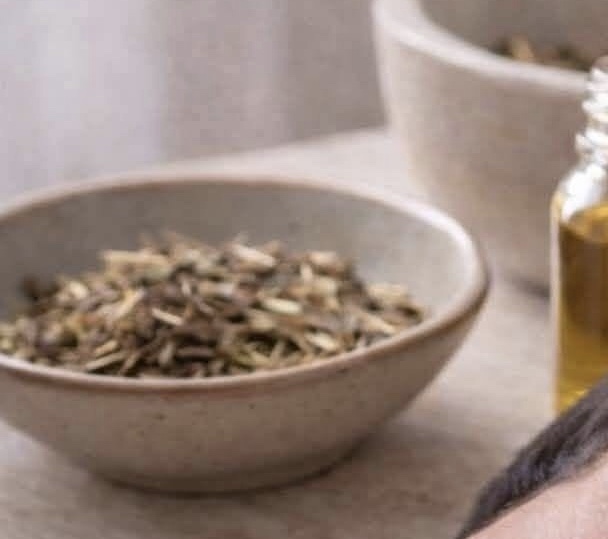
That post going around saying “Drop 4 drops in your ear and you’ll hear again like before” is getting a lot of shares. The image shows a dropper with herbal oil over a person’s ear, with bowls of dried herbs in the background. It promises a simple homemade recipe to restore hearing.
Here is the truth: no homemade ear drop, oil, or herb can reverse sensorineural hearing loss and make you hear like before. Putting unsterile liquids in your ear can actually cause damage, infections, and permanent hearing loss. Here is what is really going on with hearing loss, what is safe for ear care, and when to see a doctor.
Why the Viral Ear Drop Claim Is False
Hearing loss has many different causes, and most of them cannot be fixed with drops.
The most common type in adults is sensorineural hearing loss. This happens when the tiny hair cells in your inner ear, the cochlea, are damaged by age, noise exposure, certain medications, or genetics. Once those hair cells are damaged, they do not grow back. No oil, herb, or home remedy can regrow them. This is well established in audiology.
The claim “you’ll hear again like before” has no clinical evidence behind it. There are no human trials showing that any herbal ear drop restores hearing. Posts that say “write OK to receive the recipe” are engagement bait designed to collect comments and shares, not to help your health.
If hearing could be restored with 4 drops of kitchen oil, every ENT and audiologist in the world would be using it.
What Ear Drops Can and Cannot Do
Ear drops do have legitimate medical uses, but they are specific:
What they can help with:
• Softening earwax buildup, which can cause temporary muffled hearing
• Treating outer ear infections, with prescription antibiotic drops
• Relieving dry, itchy ear canals, with doctor-approved drops
What they cannot do:
• Reverse age-related hearing loss
• Repair nerve damage in the inner ear
• Cure tinnitus
• Restore hearing from noise damage
• Fix a perforated eardrum
If your hearing loss is caused by a simple earwax blockage, removing that wax can make a big difference, and you will hear better immediately after. That is probably where these viral claims come from. But wax-related hearing loss is only one cause, and it needs to be diagnosed first.
The Dangers of DIY Ear Drops
Putting homemade herbal oils in your ear is risky for several reasons:
1. Infection risk: Home-brewed oils are not sterile. Bacteria and fungi can grow in them. Putting that into a warm, dark ear canal is an ideal way to get a painful outer ear infection.
2. Allergic reactions: Herbs and essential oils can cause severe irritation and allergic contact dermatitis inside the ear canal, which is very thin, sensitive skin.
3. Eardrum damage: If you have a hole or tube in your eardrum and you do not know it, any liquid entering the middle ear can cause permanent damage, dizziness, and hearing loss.
4. Delaying real care: The biggest danger is waiting. If you have sudden hearing loss, you have a 48 to 72 hour window where steroid treatment can help. Wasting that time on drops can mean permanent loss that could have been treated.
5. Pushing wax deeper: Incorrect use of droppers can push wax further in, making the blockage worse.
Never put garlic oil, onion juice, essential oils, hydrogen peroxide, or any homemade herbal infusion in your ear without talking to a doctor first.
Common Causes of Hearing Loss
Understanding the cause is the first step to real help:
1. Earwax buildup: The only common cause that ear drops can help with. Feels like fullness, muffled sound. Easily treated by a professional.
2. Age-related hearing loss: Gradual loss of high frequencies, trouble hearing in noisy rooms. Managed with hearing aids.
3. Noise-induced hearing loss: From concerts, power tools, headphones at high volume. Permanent, but preventable with ear protection.
4. Ear infections: Temporary loss with pain, pressure, fluid. Needs medical treatment.
5. Sudden sensorineural hearing loss: Sudden drop in hearing in one ear, often with ringing. This is a medical emergency. Go to an ENT or ER within 24 hours.
6. Otosclerosis / Eustachian tube dysfunction: Mechanical issues that need specialist evaluation.
Only a hearing test can tell you which type you have.
Safe Ear Care You Can Do at Home
Do:
• Clean the outer ear with a damp washcloth only
• Use hearing protection at concerts, when mowing, or using power tools
• Keep the volume under 60 percent on headphones, and take listening breaks
• Dry ears gently after swimming
• Get a baseline hearing test after age 50, or earlier if you notice changes
Do not:
• Put cotton swabs, hairpins, keys, or anything smaller than your elbow in your ear
• Use ear candles, they do not work and cause burns
• Put homemade oils, garlic, or herbs in your ear canal
• Try to irrigate your ears yourself if you have ear pain, tubes, a known perforation, or have had ear surgery
For earwax, if a doctor has confirmed that is your issue, pharmacy earwax softening drops with carbamide peroxide are the standard over-the-counter option. Use exactly as directed, and only if your eardrum is intact.
When to See a Doctor About Hearing Loss
See an ENT doctor or audiologist promptly if you have:
• Sudden hearing loss in one or both ears, especially within the last 72 hours. Go now.
• Hearing loss with severe ear pain, dizziness, drainage, or ringing
• Muffled hearing that does not clear in 48 hours
• Trouble understanding conversations, asking people to repeat often
• Ringing in the ears that is new or getting worse
A proper evaluation is simple and painless. It usually includes an otoscope exam to look at your eardrum, a tympanometry test, and a pure-tone audiogram in a sound booth. This takes about 30 minutes and tells you exactly what type of hearing loss you have and what can actually help.
Modern hearing aids are small, Bluetooth-enabled, and extremely effective. For severe loss, cochlear implants are an option. There are real solutions, they just are not in a dropper bottle from a social media post.
The Bottom Line
The viral “4 drops and you’ll hear again” post is medical misinformation. No herbal ear drop restores nerve-related hearing loss. Putting homemade oils in your ear can cause infection and permanent damage.
If you are worried about your hearing, the best thing you can do is book a hearing test with a licensed audiologist or an ENT specialist. Early evaluation protects the hearing you still have, and real treatment options work far better than any internet recipe.
Protect your ears. Do not put anything in them that was not specifically prescribed for you.