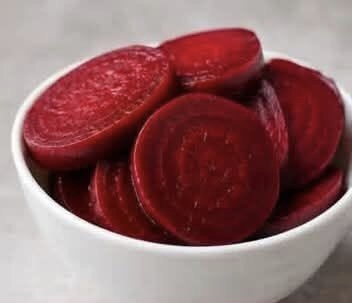
That deep red beetroot juice you keep seeing all over health pages is popular for a reason. Beets are loaded with dietary nitrates, antioxidants, and betalains that support healthy blood flow, stamina, and cardiovascular function. This fresh beetroot juice is earthy, slightly sweet, and ready in 5 minutes with a juicer or a blender. Here is how to make it, why people drink it for circulation, and how to get the best results.
Why Beetroot Juice Is Good for Circulation
Beets are one of the richest natural sources of dietary nitrates. When you drink beetroot juice, bacteria in your mouth convert those nitrates into nitric oxide in your body. Nitric oxide helps relax and widen blood vessels. That improved vasodilation supports healthy blood flow and blood pressure.
This is why beetroot juice is popular with runners and cyclists, and with adults looking to support heart health naturally. It is not a medication and it will not replace any prescription, but as part of a balanced diet it is one of the best-supported functional foods for circulation.
Beets are also high in folate, potassium, manganese, vitamin C, and betalains, the pigments that give beets their deep red color. Betalains act as antioxidants that help combat oxidative stress.
If you have blood pressure issues, circulation concerns, or are taking heart medication, talk to your doctor before adding large amounts of beetroot juice to your routine.
Beetroot Circulation Juice Recipe
This recipe makes about 2 large servings. It is balanced with apple and lemon so it is sweet and bright, not just earthy.
Ingredients:
• 3 medium raw beetroots, peeled and quartered
• 2 medium apples, cored, Fuji or Gala work well
• 1 large carrot, peeled
• 1 inch fresh ginger, peeled
• 1/2 lemon, peeled
• 1/2 cup cold water, if using a blender
• Ice, for serving
Optional Add-Ins:
• 1 orange, peeled, for extra vitamin C
• A pinch of black pepper and turmeric, for anti-inflammatory support
• Fresh mint leaves, for garnish
How to Make Beetroot Juice Two Ways
Method 1: With a Juicer
This is the fastest way and gives the smoothest juice.
1. Wash all produce thoroughly. Peel the beets, carrot, and ginger. Core the apples.
2. Cut everything into pieces that fit your juicer chute.
3. Feed beets, carrot, apples, ginger, and lemon through the juicer, alternating hard and soft ingredients.
4. Stir the juice. Pour over ice and drink immediately for the best nitrate content.
Method 2: With a Blender
No juicer, no problem. You will get a thicker juice with more fiber.
1. Wash, peel, and chop all ingredients into 1-inch cubes.
2. Add beets, carrot, apples, ginger, lemon, and 1/2 cup cold water to a high-speed blender.
3. Blend on high for 60 to 90 seconds until completely smooth.
4. Pour through a fine mesh sieve or nut milk bag into a pitcher. Press with a spoon to extract all the juice.
5. Serve over ice. Add a little more water if you want it thinner.
When to Drink Beetroot Juice for Best Results
For exercise and stamina support, drink 1 large glass, about 250 to 500 ml, 2 to 3 hours before your workout. That is when blood nitrate levels peak.
For general heart and circulation support, 1 small glass, about 200 ml, in the morning is the common routine. Consistency matters more than a single large dose. Drinking it 3 to 5 times per week is enough for most people.
Do not swish with antibacterial mouthwash right before or after drinking beetroot juice. The beneficial bacteria in your mouth are what convert nitrates to nitric oxide. Killing them reduces the effect.
Storage Tips
Fresh beetroot juice is best drunk within 20 minutes. Nitrate content drops over time and oxidation changes the flavor.
If you need to prep ahead, store in a completely full, airtight glass jar in the fridge for up to 24 hours. Shake before drinking. You can also freeze it in ice cube trays for up to 3 months. Drop 3 to 4 cubes into water or a smoothie for a quick boost.
Beetroot Juice Benefits Backed by Research
1. Supports Healthy Blood Pressure
Multiple randomized trials have found that dietary nitrate from beetroot juice can support healthy blood pressure levels in adults with normal or elevated readings. Effects are modest and vary by person. It is a food, not a drug.
2. Improves Exercise Endurance
Beetroot juice is one of the few supplements with strong evidence for endurance sports. It can improve time-to-exhaustion and reduce oxygen cost during moderate exercise.
3. Supports Blood Flow
The nitric oxide pathway helps maintain flexible blood vessels, which is key for circulation to the brain, heart, and muscles.
4. Rich in Antioxidants
Betalains give beets their color and help neutralize free radicals. This supports general cellular health.
These benefits come from regular dietary intake as part of an overall healthy lifestyle, not from a single glass.
Side Effects and Who Should Be Careful
Beetroot juice is safe for most healthy adults, but there are a few things to know:
Beeturia: Your urine and stool may turn pink or red for 24 hours after drinking beet juice. This is harmless and happens in about 14 percent of people. It is not blood.
Kidney Stones: Beets are high in oxalates. If you have a history of calcium oxalate kidney stones, talk to your doctor before drinking beet juice regularly.
Blood Pressure Medication: Because beets can support lower blood pressure, combining large amounts with BP-lowering drugs could drop your pressure too low. Check with your doctor first.
Blood Sugar: Beet juice has natural sugar. If you have diabetes, count it as part of your carb intake. Pairing it with a meal helps blunt spikes.
Stomach Upset: Start with a small 100 ml serving. Large amounts can cause stomach cramping in some people. Build up slowly.
Recipe Variations
Beet Orange Ginger: Swap the apple for 2 oranges. Brighter, higher in vitamin C.
Green Beet Detox: Add 1 cup spinach and 1/2 cucumber. Earthier, lower sugar.
Beet Berry Boost: Blend 1/2 cup of the finished beet juice with 1/2 cup frozen blueberries. Great post-workout.
Spicy Beet Shot: 1 small beet, 1 inch ginger, 1/2 lemon, pinch cayenne. 60 ml shot, no apple. Strong, but popular.
Frequently Asked Questions
Can I use cooked beets instead of raw?
Yes, but raw beets have higher nitrate levels. Roasting or boiling reduces nitrates by 25 to 30 percent. For circulation benefits, raw juiced beets are best. Cooked beets are still nutritious for salads and roasting.
How long does it take to work?
Blood nitrate levels rise within 2 to 3 hours after drinking. For exercise benefits, that is your window. For blood pressure support, studies usually see effects after 1 to 2 weeks of consistent daily intake.
Can I drink beetroot juice every day?
Yes, 200 to 250 ml per day is fine for most healthy adults. Take a few days off per week if you are prone to kidney stones or stomach upset.
Does store-bought beet juice work the same?
Look for 100 percent beetroot juice with no added sugar. Pasteurized juice has slightly lower nitrate content than fresh, but it is still useful and much more convenient.
Will this unclog arteries or cure heart disease?
No. No food will unclog arteries. Beetroot juice supports healthy blood flow and vascular function as part of an overall heart-healthy diet, exercise, and medical care. Always follow your doctor’s treatment plan.
This beetroot circulation juice is simple, affordable, and one of the most researched functional drinks you can make at home. Drink it consistently, pair it with a diet rich in vegetables and whole foods, stay active, and get regular checkups. That is the real recipe for long-term heart health.