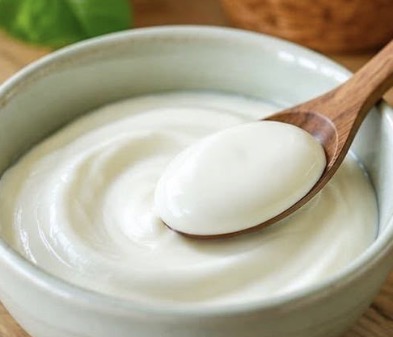
Homemade yogurt has been enjoyed for centuries as a nutritious and delicious dairy product. Known for its creamy texture, mild flavor, and impressive health benefits, yogurt remains a staple in many cultures worldwide. Preparing yogurt at home allows you to control the ingredients, customize the taste, and enjoy a fresh product free from unnecessary additives and preservatives.
Whether eaten as a breakfast option, snack, or cooking ingredient, homemade yogurt is a versatile food that can easily become part of a healthy lifestyle.
What Is Homemade Yogurt?
Homemade yogurt is a fermented dairy product made by introducing beneficial bacterial cultures into milk. During fermentation, these cultures convert lactose, the natural sugar in milk, into lactic acid. This process thickens the milk and gives yogurt its characteristic tangy flavor.
Traditional homemade yogurt is typically made using whole milk, although low-fat and plant-based alternatives can also be used.
Nutritional Value of Homemade Yogurt
Homemade yogurt is packed with essential nutrients that support overall health.
A typical serving contains:
- Protein
- Calcium
- Phosphorus
- Potassium
- Vitamin B12
- Riboflavin
- Magnesium
- Probiotics
The exact nutritional profile may vary depending on the type of milk used and the fermentation process.
Health Benefits of Homemade Yogurt
Rich in Probiotics
One of the greatest advantages of homemade yogurt is its probiotic content. Probiotics are beneficial bacteria that support a healthy balance of microorganisms in the digestive system.
Regular consumption of probiotic-rich foods may contribute to improved digestive wellness and overall gut health.
Supports Digestive Health
The live cultures found in yogurt can help maintain a healthy digestive system.
Potential digestive benefits include:
- Improved gut balance
- Enhanced digestion
- Reduced digestive discomfort
- Better nutrient absorption
Including homemade yogurt in a balanced diet may promote digestive regularity.
Excellent Source of Protein
Yogurt is a valuable source of high-quality protein, which is essential for building and repairing body tissues.
Protein also contributes to:
- Muscle maintenance
- Satiety and fullness
- Energy production
- Healthy metabolism
Consuming protein-rich foods throughout the day supports overall wellness.
Strengthens Bones and Teeth
Homemade yogurt contains significant amounts of calcium and phosphorus, two minerals essential for strong bones and healthy teeth.
Adequate calcium intake is important for:
- Bone density maintenance
- Normal muscle function
- Nerve signaling
- Long-term skeletal health
Supports Immune Function
The probiotics, vitamins, and minerals present in yogurt may help support immune system function.
A healthy digestive system is closely linked to immune health, making probiotic foods an important part of many balanced diets.
How to Make Homemade Yogurt
Making yogurt at home is surprisingly simple and requires only a few ingredients.
Ingredients
- 1 liter of milk
- 2 tablespoons plain yogurt containing live cultures
Instructions
Step 1: Heat the Milk
Pour the milk into a saucepan and heat it gently until it reaches approximately 180°F (82°C). This step helps improve texture and consistency.
Step 2: Cool the Milk
Allow the milk to cool to about 110°F (43°C). The milk should feel warm but not hot.
Step 3: Add the Starter Culture
Mix a small amount of the warm milk with the plain yogurt starter. Then stir this mixture back into the remaining milk.
Step 4: Incubate
Cover the container and keep it warm for 6 to 12 hours. Longer fermentation produces a tangier flavor and thicker consistency.
Step 5: Refrigerate
Once the yogurt has set, refrigerate it for several hours before serving.
Delicious Ways to Enjoy Homemade Yogurt
Homemade yogurt can be enjoyed in numerous ways.
Breakfast Bowl
Top yogurt with:
- Fresh fruits
- Granola
- Nuts
- Seeds
- Honey
This combination creates a nutritious and satisfying breakfast.
Smoothies
Yogurt adds creaminess and protein to smoothies. Blend it with fruits such as berries, bananas, or mangoes for a refreshing drink.
Salad Dressings
Homemade yogurt can be used as a healthier alternative to mayonnaise or cream in salad dressings.
Dips and Sauces
Yogurt works well in savory recipes, including dips, marinades, and sauces.
Desserts
Use yogurt in:
- Parfaits
- Frozen treats
- Cakes
- Cheesecakes
- Fruit desserts
Its creamy texture enhances both flavor and nutrition.
Tips for Making Perfect Homemade Yogurt
For the best results, consider the following tips:
Use Fresh Milk
Fresh, high-quality milk produces superior flavor and texture.
Maintain Proper Temperature
Temperature control is crucial for successful fermentation. Excessive heat may damage the beneficial bacteria.
Use Live Cultures
Always choose plain yogurt containing active cultures as a starter.
Avoid Disturbing During Fermentation
Keeping the yogurt undisturbed during incubation helps achieve a smooth, firm texture.
How to Store Homemade Yogurt
Proper storage ensures freshness and food safety.
- Store yogurt in an airtight container.
- Keep refrigerated at all times.
- Consume within 7 to 10 days for optimal quality.
Reserve a small portion of fresh yogurt to use as a starter for future batches.
Final Thoughts
Homemade yogurt is a nutritious, versatile, and cost-effective food that offers numerous health benefits. Rich in protein, calcium, and probiotics, it supports digestive health, bone strength, and overall wellness.
Making yogurt at home allows you to enjoy fresh, wholesome ingredients while customizing flavor and texture according to your preferences. Whether eaten on its own or incorporated into various recipes, homemade yogurt is a delicious addition to a balanced diet.