Celery Juice: Real Nutrition, and Why It Does Not Cleanse Your Blood, Kidneys, or Liver
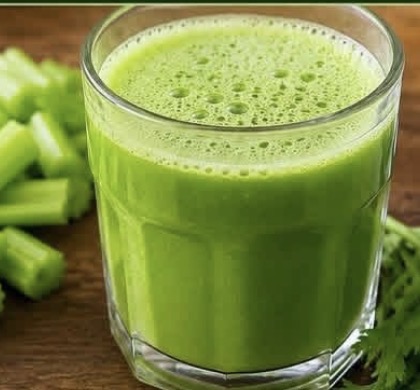
The image going around shows a bunch of fresh celery, chopped stalks, and a bright green glass of celery juice, with the text: “CELERY, This Plant Cleanses the Blood, Skin, Kidneys, Liver, & Pancreas in One Shot. I’ll Give You the Recipe For a Simple ‘Ok.’”
Celery is a great vegetable. It is crisp, hydrating, low calorie, and full of useful nutrients. But it does not cleanse your blood, skin, kidneys, liver, or pancreas in one shot. No food or juice does. Your liver and kidneys clean your blood 24 hours a day, that is literally their job, and celery juice does not speed them up.
Here is what celery juice actually does, how to make it safely at home, and why those organ cleanse claims are false.
What Is in a Glass of Celery Juice
Celery is about 95 percent water. One cup of celery juice, about 240 ml, has roughly 40 to 45 calories, 2g of natural sugar, almost no fat, and is a good source of vitamin K, folate, potassium, and antioxidants like apigenin and luteolin.
It is hydrating, low in calories, and has a clean, salty-green taste. That is why people like it. It is not a medicine.
The Claims in the Image, Fact-Checked
- “Cleanses the blood”
Your blood is cleaned by your liver and kidneys, constantly. No food “cleanses” blood in one shot. Celery contains antioxidants that help protect cells from oxidative stress in lab studies, but that is not blood cleansing, and it does not happen overnight. - “Cleanses the skin, kidneys, liver, & pancreas”
False. There is no clinical evidence that celery juice detoxes any organ. Your liver detoxifies chemicals, your kidneys filter waste into urine, your pancreas regulates blood sugar and digestion. They do not need a celery juice cleanse to work. If any of these organs are not working properly, you need a doctor, not a juice.
Skin health is influenced by genetics, sun protection, sleep, hydration, and overall diet, not by a single green drink.
The term “cleanse” or “detox” in food marketing has no medical meaning. It is not a recognized treatment.
If you have kidney disease, liver disease, or pancreas problems, do not try to treat them with celery juice. See a qualified healthcare professional.
Real, Evidence-Based Benefits of Celery - Hydration: Celery is 95 percent water with natural electrolytes like potassium and sodium. Celery juice is a good way to rehydrate, especially in hot weather.
- Low-calorie vegetable intake: One large stalk is about 10 calories. Swapping a sugary drink for celery juice cuts calories and adds nutrients. That helps with weight management over time, not in one shot.
- Antioxidants and phytonutrients: Celery contains apigenin, luteolin, and other flavonoids that have anti-inflammatory activity in lab studies. Eating a diet rich in vegetables is associated with lower risk of chronic disease. That is from overall diet patterns, not one juice.
- Blood pressure support: Celery contains natural nitrates and a compound called 3-n-butylphthalide that has shown mild blood pressure lowering effects in animal studies. Human evidence is limited. It is not a replacement for blood pressure medication.
That is it. Celery is a healthy vegetable. It is not a cure.
Who Should Be Careful With Celery Juice - Kidney disease: Celery is high in potassium. If you have chronic kidney disease and are on a potassium-restricted diet, large amounts of celery juice can be risky. Talk to your doctor or dietitian.
- Blood thinners: Celery is high in vitamin K, about 30 mcg per cup of juice. Vitamin K affects how warfarin works. Be consistent with your vitamin K intake and tell your doctor if you start drinking celery juice daily.
- Low blood pressure: Celery can have a mild blood pressure lowering effect. If you already run low, or take BP medication, check with your doctor.
- Allergies: Celery allergy is real and can be severe in some people, especially in Europe. Symptoms include itching, swelling, hives, or breathing difficulty. Stop immediately and seek medical care if this happens.
- Psoralens and sun sensitivity: Celery contains psoralens, which can make skin more sensitive to sunlight in very large amounts. Normal food amounts are fine.
- Pesticides: Celery is often on the “dirty dozen” list for pesticide residue. Wash thoroughly, or buy organic if that is a concern for you.
Celery juice is not recommended for children as a cleanse, and it is not a substitute for a balanced diet during pregnancy. Food amounts in cooking are fine for everyone.
How to Make Celery Juice Safely
If you like the taste, here is how to make the juice from the photo. This is a food recipe, not a medical treatment.
Ingredients for 2 cups:
- 1 large bunch celery, about 10 to 12 stalks
- 1/2 lemon, peeled, optional for flavor
- 1 small green apple, optional for sweetness
- Ice, optional
Juicer method: Wash celery well, trim ends. Feed stalks through a juicer. Add lemon if using. Drink immediately.
Blender method: Chop celery into 1-inch pieces. Blend with 1/2 cup cold water on high until smooth, about 60 seconds. Strain through a fine mesh sieve or nut milk bag, pressing to extract juice. Add lemon juice to taste.
Drink 1 cup, not a liter. Start small, large amounts can cause bloating and loose stools because of the sugar alcohols in celery. Store in a sealed jar in the fridge for up to 24 hours. It oxidizes fast and loses flavor.
Do not do a celery juice “cleanse” for days. You will miss protein, fat, fiber, and essential calories. Whole celery with the fiber is usually better for digestion than juice alone.
Better Ways to Eat Celery
If you do not love juice, eat it whole. Celery with peanut butter, in tuna salad, in mirepoix for soups and stews, in stir-fries, or just with hummus. You get the fiber, the crunch, and the nutrients, with none of the cleanse hype.
The Bottom Line
Celery is a healthy, hydrating, low-calorie vegetable with useful vitamins, potassium, and antioxidants. Celery juice can be a refreshing part of a balanced diet.
It does not cleanse your blood, skin, kidneys, liver, or pancreas in one shot. No food does. Your organs clean themselves, and when they cannot, you need medical care, not a green drink.
Use celery for flavor and nutrition. For any concerns about your kidneys, liver, pancreas, skin, or blood work, see a doctor. Real health comes from consistent habits over months, not from a one-shot juice.