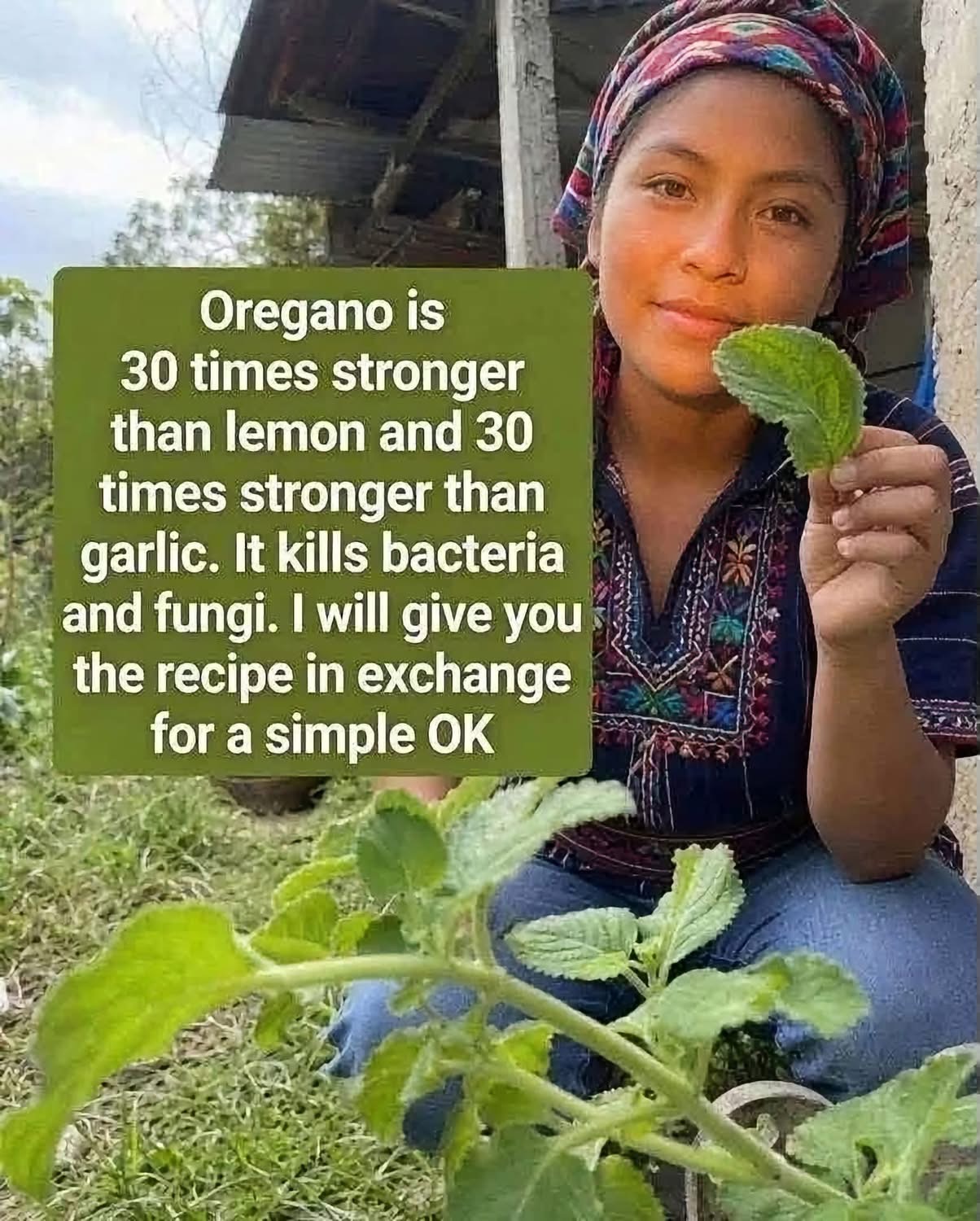
Oregano is a popular aromatic herb used in Mediterranean cooking and traditional food preparations around the world. Known for its distinctive flavor and pleasant fragrance, this plant is often added to soups, sauces, salads, roasted vegetables, and meat dishes. Beyond its culinary uses, oregano has attracted scientific interest because it contains naturally occurring plant compounds that researchers are studying for their antioxidant and antimicrobial properties.
Some online posts claim that oregano is many times stronger than lemon and garlic and that it can eliminate bacteria and fungi. Although oregano contains interesting compounds, these comparisons can be misleading because different foods contain different substances, and their effects depend on the preparation, concentration, and conditions in which they are studied.
Oregano can be a useful addition to a balanced diet, but it should not be considered a replacement for medical treatment. Understanding its nutritional properties, traditional uses, preparation methods, and possible precautions can help you enjoy this herb safely.
What Is Oregano
Oregano is an aromatic herb commonly associated with Mediterranean cuisine. The name usually refers to Origanum vulgare, although several related plants and regional varieties are also called oregano.
The plant belongs to the mint family and produces small leaves with a strong, distinctive aroma. Depending on the variety, its flavor can range from earthy and slightly bitter to warm, peppery, and mildly sweet.
Oregano is widely available fresh or dried. Fresh leaves can be added to meals during cooking, while dried oregano is commonly used in spice blends and sauces.
The herb is also available in concentrated essential oil products. These products are much more concentrated than the leaves used in food and should not be treated as interchangeable with ordinary culinary oregano.
Nutritional Properties of Oregano
Oregano contains a variety of naturally occurring plant compounds. Its nutritional contribution depends on whether it is consumed fresh or dried and on the amount used.
Because oregano is generally added to food in relatively small quantities, it is most useful as a source of flavor and dietary variety rather than as a primary source of nutrients.
Antioxidant Compounds
Oregano contains plant compounds, including certain phenolic substances, that have demonstrated antioxidant activity in laboratory studies.
Antioxidants are substances that can help limit oxidative reactions under particular conditions. Researchers study them to better understand their potential role in biological systems.
However, laboratory antioxidant activity does not automatically translate into a specific health benefit in people. The effects of a food depend on digestion, absorption, metabolism, the quantity consumed, and the wider dietary pattern.
Eating oregano as part of a varied diet is a practical way to enjoy its flavor and naturally occurring compounds without relying on exaggerated health claims.
Carvacrol and Thymol
Two compounds often discussed in oregano research are carvacrol and thymol. Their amounts vary among oregano species, varieties, growing conditions, and preparations.
Researchers have investigated these compounds for their activity against certain microorganisms in laboratory settings.
Such findings are scientifically interesting, but they do not establish that eating oregano or drinking oregano tea can cure bacterial or fungal infections in the human body.
The concentration used in laboratory experiments may differ considerably from the amount present in an ordinary meal or homemade infusion.
Potential Benefits of Including Oregano in Your Diet
Oregano can contribute to healthy eating in several practical ways. Its strongest established everyday role is as a culinary herb that adds flavor to meals.
Adding Flavor Without Excess Salt
Oregano has a strong aroma that can make simple dishes more flavorful.
Using herbs and spices can help people experiment with seasonings instead of relying entirely on salt. This may be useful for those who need to monitor their sodium intake.
Oregano pairs well with tomatoes, beans, lentils, grilled vegetables, fish, chicken, and many Mediterranean-style dishes.
Supporting Dietary Variety
A balanced diet benefits from a variety of plant foods, including vegetables, fruits, legumes, whole grains, nuts, seeds, and herbs.
Oregano can add variety to everyday cooking and encourage people to prepare flavorful meals at home.
However, no single herb provides everything the body needs. Overall eating patterns are more important than relying on one ingredient.
Antimicrobial Research
Some compounds found in oregano have shown antimicrobial activity in laboratory experiments.
Researchers continue to investigate how these substances interact with certain bacteria and fungi under controlled conditions.
It is important to distinguish these findings from clinical evidence. A compound that affects a microorganism in a laboratory dish is not necessarily effective as an oral remedy for an infection.
Infections may require diagnosis and specific treatment. Oregano should not replace prescribed antibiotics, antifungal medicines, or other appropriate medical care.
Traditional Uses
Oregano has a long history of culinary and traditional use in various regions.
It has sometimes been prepared as a warm infusion or included in traditional household remedies. However, traditional use does not establish the effectiveness of a preparation for a particular medical condition.
People who enjoy oregano tea should regard it as a beverage rather than a proven treatment for infections or chronic diseases.
How to Prepare Oregano Tea
Oregano tea is a simple herbal infusion that can be prepared from culinary oregano. The following method is intended as a beverage recipe, not as a treatment for a medical condition.
Ingredients
- One teaspoon of dried culinary oregano or a small amount of fresh oregano leaves
- One cup of hot drinking water
- Honey or lemon, if desired
Preparation Method
First, place the oregano leaves in a clean cup or heat-resistant container.
Pour hot water over the leaves and cover the container. Allow the mixture to steep for approximately five to ten minutes, depending on your taste preference.
Strain the leaves before drinking. If desired, add a small amount of honey or lemon after the infusion has cooled slightly.
This is a general culinary preparation. It has not been established as a medically effective dose for treating any illness.
Avoid making concentrated preparations for medicinal purposes without appropriate professional advice. Do not add oregano essential oil to the drink unless a qualified healthcare professional has specifically recommended a suitable product and method.
Fresh Oregano and Dried Oregano
Both fresh and dried oregano can be used in cooking, but they have different characteristics.
Fresh oregano has a softer texture and a fresh herbal aroma. It works well in salads, marinades, sauces, and dishes where the leaves are added near the end of cooking.
Dried oregano has a more concentrated flavor by weight because much of its water content has been removed. It is convenient for seasoning soups, tomato sauces, roasted vegetables, and baked dishes.
The chemical composition of fresh and dried oregano may differ depending on processing and storage. Neither form should automatically be considered a medicinal substitute for the other.
Store dried oregano in an airtight container away from direct sunlight, heat, and moisture to help preserve its flavor.
Fresh oregano can be wrapped loosely and refrigerated until needed. Wash fresh leaves under clean running water before using them.
Oregano Essential Oil and Important Safety Differences
Oregano essential oil is a concentrated product made from aromatic plant material. It is different from the fresh or dried herb used in food.
Because essential oils contain concentrated volatile compounds, they may cause irritation or other unwanted effects if used incorrectly.
Do Not Assume Essential Oil Is Safe to Drink
Products intended for aromatherapy or external use are not necessarily suitable for ingestion.
Swallowing concentrated oregano essential oil can irritate the mouth, throat, stomach, and digestive tract. Incorrect use may also create risks associated with the product’s concentration and formulation.
Do not add concentrated essential oil to water and assume that it becomes safe simply because it is diluted. Oil and water do not mix evenly, so concentrated droplets may remain.
Use products only according to their labeling and the guidance of an appropriately qualified healthcare professional.
Skin Irritation
Applying concentrated oregano essential oil directly to the skin may cause irritation or allergic reactions.
Never assume that a natural product is harmless because it comes from a plant.
If you experience a rash, burning, swelling, or other unexpected symptoms after using an oregano product, discontinue use and seek advice when appropriate.
Who Should Take Extra Care With Oregano Preparations
Oregano used in normal culinary amounts is different from concentrated supplements and essential oils. People considering medicinal preparations should take several precautions.
Pregnancy and Breastfeeding
There is limited reliable safety information about medicinal amounts of oregano and concentrated oregano products during pregnancy and breastfeeding.
Using ordinary amounts of oregano in food is not the same as taking concentrated herbal preparations.
People who are pregnant or breastfeeding should consult a qualified healthcare professional before using oregano medicinally.
People Taking Medication
Herbal products can sometimes interact with medicines, and the risks may depend on the concentration and formulation.
People taking regular medication should discuss concentrated oregano products with a healthcare professional before use.
Do not stop or change prescribed medication to use an herbal remedy.
People With Allergies
Some individuals may be sensitive to oregano or related plants.
If you have experienced reactions to herbs in the mint family, ask a healthcare professional whether a particular oregano product is appropriate for you.
Seek urgent medical attention for severe allergic symptoms, including difficulty breathing or swelling of the throat.
Children
Concentrated essential oils require particular caution around children. Do not give children oregano essential oil by mouth or apply concentrated preparations without appropriate medical guidance.
For children with symptoms of an infection, consult a healthcare professional rather than relying on herbal remedies.
Oregano Compared With Lemon and Garlic
Social media posts sometimes claim that oregano is a specific number of times stronger than lemon and garlic. These statements generally lack a clear scientific basis because the word stronger can refer to many different things.
Lemon, garlic, and oregano have different nutritional compositions and culinary properties.
Lemon is well known for its vitamin C content. Garlic contains sulfur-containing compounds that have been studied for their biological effects. Oregano contains aromatic compounds, including carvacrol and thymol in varying amounts.
These ingredients cannot be ranked meaningfully using a single universal strength measurement. Results also depend on whether researchers examine fresh foods, dried herbs, extracts, or concentrated oils.
All three ingredients can contribute flavor and variety to meals. None should be promoted as a guaranteed cure for infections or other serious diseases.
How to Include Oregano in Everyday Meals
Oregano is easy to incorporate into a balanced diet.
Tomato Sauce
Add dried oregano to tomato sauce with garlic, onions, and other preferred seasonings. Simmer the sauce until the flavors combine.
Roasted Vegetables
Sprinkle oregano over potatoes, courgettes, peppers, or other vegetables before roasting. Use olive oil and other seasonings according to your preference.
Beans and Lentils
Oregano can add flavor to bean soups, lentil dishes, and vegetable stews.
Marinades
Mix oregano with lemon juice, olive oil, garlic, and suitable spices to make a flavorful marinade for vegetables or protein foods.
Salads
Fresh oregano leaves can be used in small amounts in salads and dressings, depending on your taste preference.
These culinary uses allow you to enjoy oregano as part of ordinary meals without treating it as a substitute for medical care.
Frequently Asked Questions About Oregano
Is Oregano a Powerful Natural Antibiotic
Oregano contains compounds that have shown antimicrobial activity in laboratory studies. However, culinary oregano has not been established as a replacement for prescribed antibiotics.
Can Oregano Kill Fungi in the Body
Laboratory findings involving oregano compounds do not prove that eating oregano or drinking oregano tea treats fungal infections in humans. Appropriate diagnosis and treatment are important.
Can I Drink Oregano Tea Every Day
There is insufficient evidence to establish a universal medicinal dose or long-term treatment schedule for oregano tea. Occasional use as a culinary beverage is different from taking concentrated preparations. Seek professional advice if you intend to use it medicinally.
Is Fresh Oregano Better Than Dried Oregano
Both forms can be useful in cooking. Fresh oregano has a different texture and aroma, while dried oregano has a more concentrated flavor by weight. The best choice depends on the recipe.
Can Oregano Essential Oil Be Consumed
Do not assume that oregano essential oil is safe to swallow. Concentrated products can cause adverse effects and should be used only when specifically intended for that purpose and under appropriate guidance.
Does Oregano Replace Medical Treatment
No. Oregano should not replace prescribed medication or professional assessment for a suspected infection or other medical condition.
Final Thoughts
Oregano is a flavorful herb with a long culinary history and naturally occurring plant compounds that researchers continue to study. It can be used fresh or dried in sauces, soups, vegetables, marinades, and other dishes.
Although some oregano compounds have shown antimicrobial activity in laboratory research, claims that oregano is exactly 30 times stronger than lemon or garlic are not supported by a universal scientific measurement. Laboratory findings also do not establish that oregano tea or essential oil can cure infections in people.
For everyday use, choose culinary oregano, prepare it safely, and include it in a varied diet. Treat concentrated essential oils and medicinal preparations with caution, particularly during pregnancy, while breastfeeding, or when taking medication.
The most responsible approach is to enjoy oregano for its flavor and potential nutritional contribution while relying on appropriate medical care for infections and other health problems.