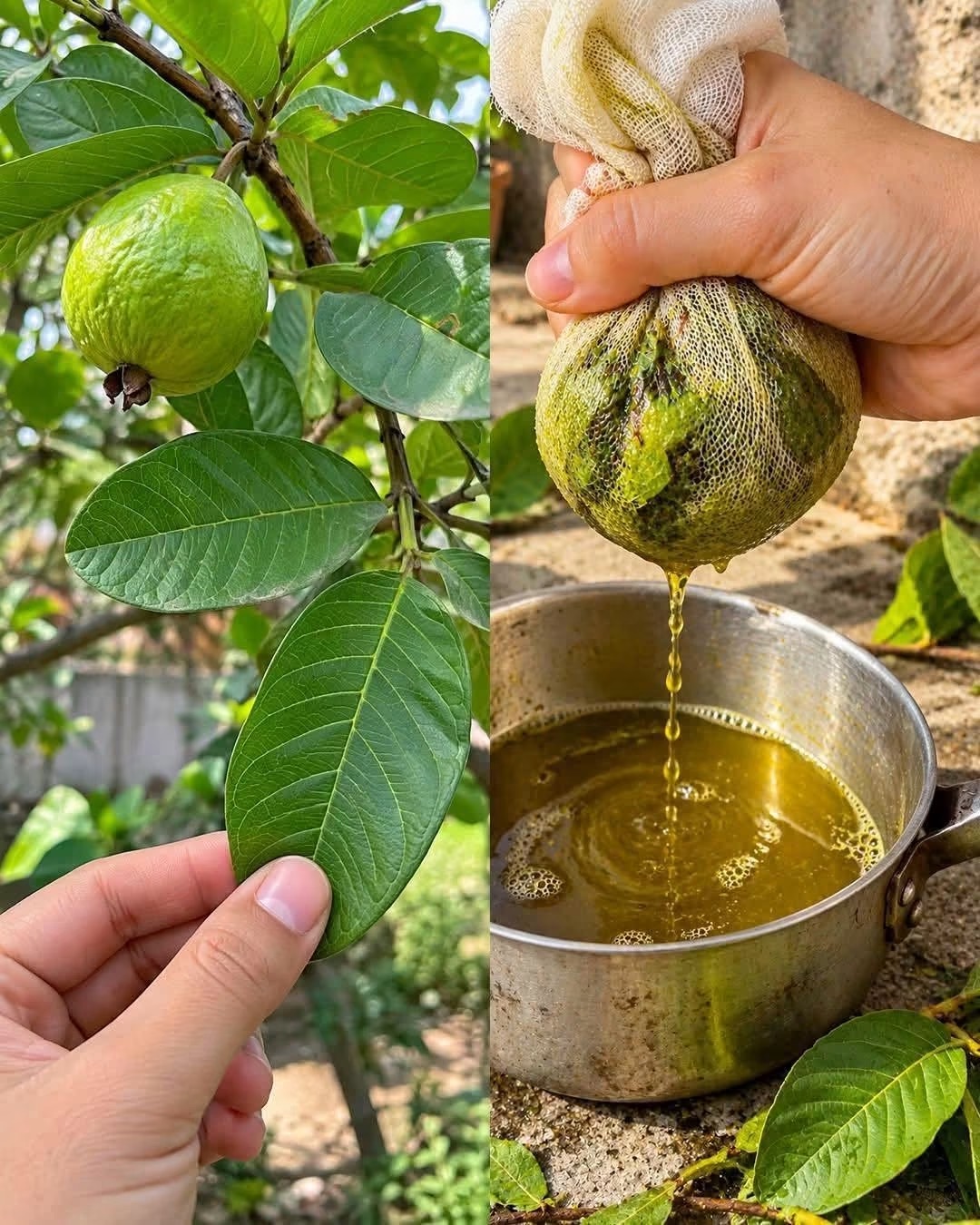
Guava is a tropical fruit known for its delicious taste, refreshing aroma, and nutritional value. While the fruit is enjoyed around the world, guava leaves have also been used in traditional practices for generations. These green leaves are often prepared as tea or decoctions and are valued for their natural plant compounds.
Today, guava leaves continue to attract interest because researchers are studying their antioxidant properties and possible effects on digestion, blood sugar regulation, and other aspects of health. Although some early findings are promising, more high-quality human studies are needed to confirm many of these potential benefits.
In this article, we will explore what guava leaves are, their traditional uses, their possible health benefits, how to prepare guava leaf tea, and the precautions to consider before using them.
What Are Guava Leaves
Guava leaves grow on the guava tree, scientifically known as Psidium guajava. This tropical plant is native to the Americas and is now cultivated in many warm regions around the world.
The leaves are generally oval-shaped, green, and marked by visible veins. They contain several natural plant compounds, including flavonoids, tannins, and other polyphenols. These substances are studied for their antioxidant and biological properties.
In traditional practices, guava leaves have been used in different ways, including herbal infusions and external preparations. However, traditional use does not automatically mean that a remedy has been proven safe or effective for every condition.
Potential Health Benefits of Guava Leaves
Guava leaves contain compounds that may have several biological effects. Research into these effects is ongoing, and the strength of the evidence varies depending on the potential benefit.
1. They Contain Antioxidant Compounds
One of the most studied characteristics of guava leaves is their antioxidant activity. Antioxidants help protect cells from damage associated with unstable molecules known as free radicals.
Guava leaves contain polyphenols and flavonoids that have demonstrated antioxidant activity in laboratory studies. These compounds are also found in many fruits, vegetables, and other plant-based foods.
Including a variety of plant foods in a balanced diet is a practical way to obtain antioxidants. Guava leaf tea may be enjoyed as a traditional beverage, but it should not be considered a replacement for a nutritious diet or medical treatment.
2. They May Support Digestive Health
Guava leaves have a long history of traditional use for digestive discomfort, including occasional diarrhea. Researchers have investigated whether compounds in the leaves may influence intestinal activity and certain microorganisms.
Some preliminary findings suggest that guava leaf extracts may have effects relevant to digestive health. However, these findings do not establish that homemade guava leaf tea can reliably treat diarrhea or other digestive disorders.
Persistent diarrhea can lead to dehydration, especially in young children and older adults. Oral rehydration solutions are important for replacing lost fluids and electrolytes. Seek medical advice if symptoms are severe, persistent, or accompanied by blood in the stool, high fever, or signs of dehydration.
3. They May Help Researchers Understand Blood Sugar Regulation
Another area of interest is the possible relationship between guava leaves and blood glucose levels.
Some studies suggest that guava leaf preparations may influence how the body processes carbohydrates. Researchers are examining whether certain compounds can affect enzymes involved in carbohydrate digestion or other processes related to glucose regulation.
Nevertheless, the evidence is not strong enough to recommend guava leaf tea as a treatment for diabetes. People with diabetes should continue following their prescribed treatment plan and monitoring their blood glucose as advised by their healthcare professional.
Using concentrated guava leaf extracts alongside diabetes medication may increase the risk of low blood sugar. Anyone considering regular use should discuss it with a healthcare professional first.
4. They Have Been Studied for Antimicrobial Properties
Laboratory research has examined the effects of guava leaf extracts on selected bacteria and other microorganisms. Certain compounds in the leaves have shown antimicrobial activity under controlled experimental conditions.
However, laboratory findings do not necessarily translate into effective treatments in the human body. The concentration used in an experiment may differ greatly from the amount present in homemade tea.
Guava leaves should therefore not be used as a substitute for prescribed antibiotics, appropriate wound care, or professional treatment of an infection.
5. They May Be Relevant to Oral Health Research
Because of their plant compounds and laboratory antimicrobial activity, guava leaves have also attracted interest in oral health research.
Some traditional practices involve using guava leaf preparations for the mouth. However, evidence supporting their effectiveness as a treatment for gum disease, tooth infections, or other dental conditions remains limited.
Maintaining good oral hygiene, brushing twice daily with fluoride toothpaste, cleaning between the teeth, and attending regular dental appointments remain important steps for protecting oral health.
Guava leaf preparations should not replace professional dental care.
6. They May Have Anti Inflammatory Properties
Inflammation is part of the body’s normal response to injury and infection. When it becomes persistent or excessive, it may contribute to various health problems.
Some compounds found in guava leaves have demonstrated effects related to inflammation in laboratory and animal studies. This has encouraged further scientific investigation.
However, there is insufficient evidence to conclude that drinking guava leaf tea treats chronic inflammatory diseases in humans. People experiencing persistent pain, swelling, or other unexplained symptoms should seek appropriate medical advice.
How to Prepare Guava Leaf Tea
Guava leaf tea is a traditional herbal drink that can be prepared with water and clean leaves. The strength and composition of homemade tea can vary depending on the plant, the age of the leaves, the quantity used, and the preparation method.
Ingredients
- 3 to 5 fresh guava leaves from a correctly identified tree
- 2 cups of drinking water
- A small saucepan
- A clean strainer
Preparation Method
- Choose healthy-looking leaves from a tree that has not been exposed to pesticides or other potentially harmful chemicals.
- Wash the leaves thoroughly under clean running water.
- Pour two cups of drinking water into a saucepan.
- Bring the water to a boil.
- Add the leaves and reduce the heat.
- Allow them to simmer gently for approximately 5 to 10 minutes.
- Remove the saucepan from the heat and let the liquid cool slightly.
- Strain the tea into a clean cup.
- Allow it to reach a comfortable drinking temperature before serving.
This is a traditional preparation method, not a medically established dosage. There is no universally accepted dose of guava leaf tea for treating a health condition.
If you have a medical condition, take prescription medication, or plan to drink the tea regularly, ask a qualified healthcare professional whether it is appropriate for you.
How to Select and Store Guava Leaves
The quality of the leaves matters when preparing any herbal beverage.
Choose leaves that are fresh, reasonably uniform in color, and free from obvious signs of mold, decay, or insect damage. Avoid leaves collected from roadsides, polluted areas, or trees that may have been sprayed with chemicals.
Wash fresh leaves carefully before preparation. If you intend to dry them, use a clean, well-ventilated area away from excessive moisture and direct contamination.
Completely dried leaves should be stored in a clean, dry, airtight container away from heat and direct sunlight. Discard leaves that develop mold, unusual odors, or signs of contamination.
Correct plant identification is also important. Do not consume leaves from a tree simply because it resembles a guava tree.
Possible Side Effects and Precautions
Although guava leaves are used traditionally, natural products can still cause side effects. Their safety may depend on the preparation, concentration, frequency of use, and individual health circumstances.
Digestive Discomfort
Some people may experience stomach discomfort or other digestive symptoms after consuming herbal preparations. Stop using the tea if you notice an unwanted reaction.
Blood Sugar Changes
Guava leaf preparations may affect blood glucose, although the extent of this effect in humans is not fully established. People taking insulin or other glucose-lowering medication should be especially cautious.
Pregnancy and Breastfeeding
There is insufficient reliable evidence to establish the safety of medicinal amounts of guava leaf preparations during pregnancy or breastfeeding. It is best to avoid concentrated preparations unless a healthcare professional advises otherwise.
Allergic Reactions
People can react differently to plants and herbal products. Stop using guava leaf preparations if you develop a rash, itching, swelling, or other signs of an allergic reaction. Difficulty breathing or swelling of the throat requires emergency medical attention.
Medication Interactions
Herbal products can interact with medications or affect how a medical condition is managed. If you take regular medication, particularly for diabetes, consult a healthcare professional before using guava leaf extracts or drinking strong preparations frequently.
Avoid Replacing Medical Treatment
Guava leaves should not be used as a substitute for prescribed medicines or professional care. Claims that they cure diabetes, eliminate infections, dissolve fat, or treat serious diseases are not supported by sufficient clinical evidence.
Guava Fruit and Guava Leaves Are Not the Same
Although they come from the same plant, guava fruit and guava leaves have different nutritional profiles and uses.
Guava fruit is a food that provides dietary fiber, vitamin C, and other nutrients. Eating a variety of fruits can contribute to a balanced diet and support general health.
Guava leaves, on the other hand, are usually consumed as an herbal infusion or included in traditional preparations. Their composition differs from that of the fruit, and the quantities of active plant compounds can vary significantly.
For everyday nutrition, eating whole guava fruit is a practical option. Guava leaf tea is better viewed as a traditional beverage rather than a replacement for fruit or a proven medical treatment.
Frequently Asked Questions
Can I Drink Guava Leaf Tea Every Day
There is not enough high-quality evidence to establish a safe, effective daily dose for long-term use. Occasional consumption as a traditional beverage may be different from taking concentrated extracts regularly. Ask a healthcare professional if you plan to use it frequently.
Can Guava Leaves Cure Diabetes
No. Guava leaves have been studied for possible effects on blood sugar, but they have not been established as a cure for diabetes. Diabetes requires appropriate monitoring and evidence-based treatment.
Are Fresh Guava Leaves Better Than Dried Leaves
Fresh and dried leaves can both be used to prepare herbal infusions. Their chemical composition and strength may differ depending on drying, storage, and preparation. There is insufficient evidence to conclude that one form is always more effective.
Can Guava Leaf Tea Help With Diarrhea
Guava leaves have traditionally been used for digestive complaints, and some preliminary research has investigated their effects. However, homemade tea is not a proven substitute for rehydration or medical treatment when necessary.
Can I Use Guava Leaves for My Skin
Some traditional practices use guava leaf preparations externally. However, strong evidence for treating skin conditions is limited. Applying homemade preparations may cause irritation or allergic reactions, so avoid using them on open wounds or seriously irritated skin.
How Long Should I Boil Guava Leaves
A traditional infusion may simmer for approximately 5 to 10 minutes. This is a preparation suggestion, not a scientifically established treatment method or dosage. Longer boiling does not necessarily make the tea safer or more effective.
Conclusion
Guava leaves are widely recognized in traditional herbal practices and contain plant compounds that researchers continue to investigate. Preliminary studies have explored their antioxidant properties and possible roles in digestive health, blood sugar regulation, and other biological processes.
However, many proposed health benefits have not been confirmed by strong human clinical evidence. Guava leaf tea should therefore be approached with reasonable caution, particularly by people who take medication, have chronic health conditions, or are pregnant or breastfeeding.
When prepared with correctly identified, clean leaves, guava leaf tea can be enjoyed as a traditional herbal beverage. For lasting health benefits, it is important to prioritize a balanced diet, regular physical activity, good hydration, and appropriate medical care.
Natural remedies may have a place in traditional practices, but reliable scientific evidence and individual safety should always guide decisions about health.