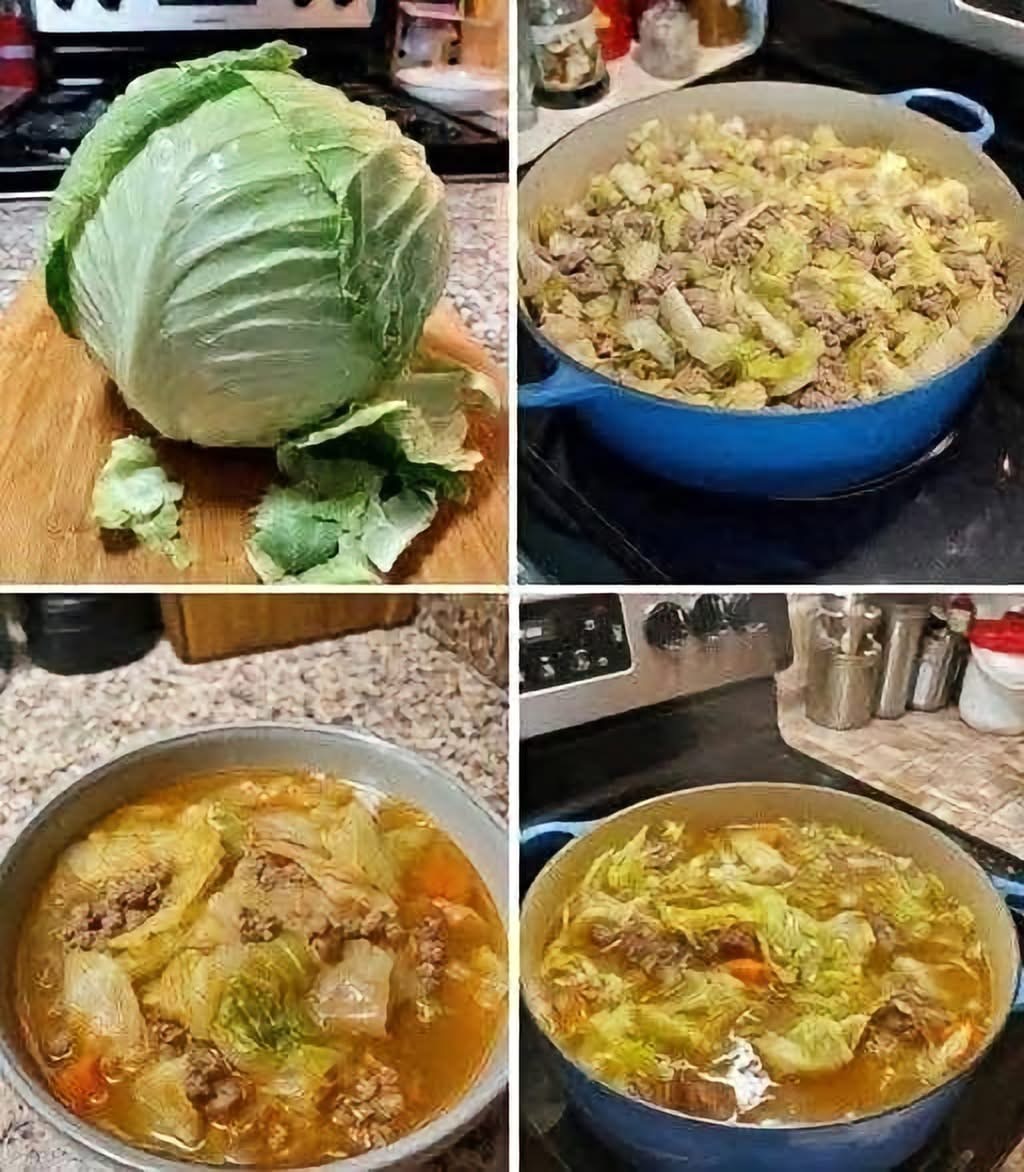
Stuffed cabbage rolls are a delicious and comforting homemade meal made with tender cabbage leaves, seasoned ground meat, rice, and a flavorful tomato-based sauce. This traditional dish is popular in many countries and is loved for its rich taste, satisfying filling, and simple ingredients.
Whether you are preparing a family dinner, cooking for guests, or looking for a hearty meal to enjoy during colder days, stuffed cabbage rolls are an excellent choice. Although the recipe takes some preparation, the result is a tender, flavorful dish that is worth the effort.
In this guide, you will learn how to prepare stuffed cabbage rolls step by step, how to make the filling, how to cook them in a delicious sauce, and how to store leftovers safely.
What Are Stuffed Cabbage Rolls
Stuffed cabbage rolls are made by wrapping cabbage leaves around a mixture of ground meat, rice, onions, and seasonings. The rolls are then cooked slowly in a pot with broth, tomato sauce, or a combination of both.
Different cultures have their own versions of this dish. Some recipes use beef, while others use lamb, pork, chicken, or a vegetarian filling. The seasonings and sauces also vary according to regional traditions.
This recipe uses ground meat and rice for a classic, satisfying filling. You can easily adjust the ingredients to suit your preferences and the ingredients available in your kitchen.
Ingredients for Stuffed Cabbage Rolls
The following ingredients make approximately four to six servings, depending on the size of the cabbage rolls.
For the Cabbage
- 1 large green cabbage
- Water for boiling
- A pinch of salt, if desired
For the Filling
- 500 grams ground beef or lamb
- 1 cup uncooked rice, rinsed
- 1 medium onion, finely chopped
- 2 cloves garlic, minced
- 2 tablespoons chopped fresh parsley
- 1 teaspoon paprika
- 1 teaspoon ground cumin, optional
- Half a teaspoon black pepper
- Salt to taste
- 1 tablespoon olive oil
For the Cooking Sauce
- 2 tablespoons olive oil
- 1 medium onion, chopped
- 2 tablespoons tomato paste
- 2 medium tomatoes, grated or finely chopped
- 3 to 4 cups broth or water
- 1 teaspoon paprika
- Half a teaspoon black pepper
- Salt to taste
- Fresh parsley for garnish
You can adjust the spices according to your taste. For a lighter flavor, use less paprika and cumin. For a richer sauce, add a little more tomato paste.
How to Prepare the Cabbage Leaves
Preparing the cabbage properly is one of the most important steps in this recipe. The leaves need to become soft enough to roll without breaking.
Step 1 Wash the Cabbage
Remove any damaged or dirty outer leaves. Rinse the cabbage under running water and carefully remove the hard core from the bottom.
Step 2 Soften the Leaves
Bring a large pot of water to a boil. Carefully place the cabbage in the water and cook it for several minutes.
As the outer leaves soften, remove them one at a time with kitchen tongs. Continue until you have enough large leaves for the filling.
If the inner leaves remain firm, return the cabbage to the boiling water for a few more minutes.
Step 3 Trim the Thick Stems
Place each cabbage leaf on a cutting board. If the central stem is very thick, carefully trim a small portion of it to make rolling easier.
Avoid cutting through the entire leaf. Keeping the leaf intact helps prevent the filling from escaping during cooking.
Allow the leaves to cool enough to handle comfortably.
How to Make the Meat and Rice Filling
A flavorful filling gives cabbage rolls their delicious taste. The rice absorbs moisture during cooking, while the meat, onions, garlic, and spices provide richness.
Step 1 Prepare the Ingredients
Place the ground meat in a large bowl. Add the rinsed rice, chopped onion, minced garlic, parsley, paprika, cumin if using, black pepper, and salt.
Add one tablespoon of olive oil and mix everything thoroughly until the ingredients are evenly distributed.
Because the filling will cook inside the cabbage leaves, there is no need to cook the rice beforehand when using this method. Make sure the rolls are cooked long enough for both the rice and meat to reach safe doneness.
Step 2 Check the Consistency
The filling should hold together when pressed but should not be packed too tightly. Rice expands as it cooks, so leaving a little room inside each cabbage roll is important.
Avoid tasting the raw mixture because it contains uncooked meat.
How to Roll the Cabbage Leaves
Rolling the cabbage leaves correctly helps the filling stay inside during cooking.
Step 1 Add the Filling
Place one softened cabbage leaf on a clean surface with the stem end facing you.
Add a small amount of filling near the bottom of the leaf. The amount will depend on the size of the cabbage leaf.
Step 2 Fold the Sides
Fold the left and right sides of the leaf toward the center. This helps enclose the filling and prevents it from falling out.
Step 3 Roll Carefully
Starting from the bottom, roll the cabbage leaf upward until you have a compact parcel.
Do not roll it too tightly because the rice needs space to expand.
Repeat the process with the remaining leaves and filling. If a leaf is too small or torn, you can use smaller pieces of cabbage to patch it or place it underneath the rolls while cooking.
How to Prepare the Tomato Sauce
The sauce adds moisture and flavor while helping the cabbage and filling cook evenly.
Step 1 Cook the Onion
Heat the olive oil in a large, heavy-bottomed pot over medium heat. Add the chopped onion and cook for several minutes until softened.
Add the garlic if you prefer a stronger garlic flavor in the sauce.
Step 2 Add the Tomatoes
Stir in the tomato paste and cook briefly. Add the grated tomatoes, paprika, black pepper, and a moderate amount of salt.
Cook for a few minutes until the tomatoes begin to soften and the mixture becomes fragrant.
Step 3 Add the Liquid
Pour in the broth or water and stir to combine. Bring the sauce to a gentle simmer.
Taste the sauce and adjust the seasoning if necessary. Remember that broth can already contain salt, so check its sodium content before adding more.
How to Cook Stuffed Cabbage Rolls
Step 1 Arrange the Rolls
Place a few cabbage leaves on the bottom of the pot to help protect the rolls from direct heat.
Arrange the stuffed cabbage rolls seam-side down in the pot. Keep them close together so they are less likely to open during cooking.
If you have several layers, arrange the rolls carefully on top of one another.
Step 2 Pour in the Sauce
Pour the tomato sauce over the cabbage rolls. Add enough liquid to surround the rolls and allow them to cook evenly.
The rolls do not necessarily need to be completely submerged, but there should be sufficient moisture for the rice to cook. Add a little hot water if the pot becomes too dry.
Step 3 Simmer Slowly
Cover the pot with a lid and bring the liquid to a gentle simmer. Reduce the heat and cook for approximately 60 to 90 minutes, depending on the size of the rolls and the type of rice used.
Avoid boiling the rolls vigorously because this can cause them to break apart.
Check the pot occasionally and add more hot water if needed.
The cabbage should be tender, the rice should be fully cooked, and the ground meat should reach a safe internal temperature of 71°C or 160°F for ground beef or lamb.
Step 4 Rest Before Serving
Once the rolls are cooked, turn off the heat and let them rest for about five to ten minutes.
Carefully transfer them to a serving dish and spoon the tomato sauce over the top. Garnish with chopped parsley if desired.
Tips for Perfect Stuffed Cabbage Rolls
A few simple techniques can make this recipe easier and more reliable.
Choose a Fresh Cabbage
Look for a cabbage that feels firm and has tightly packed leaves. Large cabbage leaves are generally easier to fill and roll.
Avoid Overfilling
Using too much filling can cause the cabbage leaves to split. Add a moderate amount and leave room for the rice to expand.
Cook Over Low Heat
Slow cooking allows the cabbage to become tender and gives the filling time to cook evenly. A gentle simmer is better than a rapid boil.
Use Enough Liquid
Rice absorbs liquid during cooking. Check the pot occasionally to make sure there is enough moisture to prevent the bottom from burning.
Let the Rolls Rest
Allowing the cabbage rolls to rest briefly after cooking makes them easier to serve and helps the filling settle.
What to Serve With Stuffed Cabbage Rolls
Stuffed cabbage rolls are filling on their own, but you can serve them with several simple side dishes.
- Fresh cucumber and tomato salad
- Steamed vegetables
- Plain rice, if additional rice is desired
- Crusty bread for soaking up the sauce
- Plain yogurt with fresh herbs
- Roasted potatoes
For a balanced meal, serve moderate portions of cabbage rolls with a fresh salad or cooked vegetables.
Variations You Can Try
One advantage of stuffed cabbage rolls is that the filling can be adapted to suit different tastes.
Chicken Cabbage Rolls
Replace the beef or lamb with ground chicken. Because ground chicken has different cooking characteristics, ensure it reaches an internal temperature of 74°C or 165°F.
Vegetarian Cabbage Rolls
Replace the meat with cooked lentils, chopped mushrooms, or a mixture of vegetables and rice. Adjust the cooking time according to the filling ingredients.
Spicy Cabbage Rolls
Add a small amount of chili powder or chili flakes to the tomato sauce if you enjoy spicy food.
Herb Cabbage Rolls
Use fresh parsley, coriander, or dill to create a brighter flavor. Add herbs according to your preference.
Lemon Tomato Sauce
A small squeeze of lemon juice at the end of cooking can brighten the flavor of the tomato sauce. Add it gradually and taste as you go.
How to Store Leftover Cabbage Rolls
Allow leftovers to cool slightly and place them in shallow, airtight containers. Refrigerate them within two hours of cooking.
Properly refrigerated cooked cabbage rolls should generally be eaten within three to four days. Reheat them until the center reaches 74°C or 165°F.
For longer storage, freeze the rolls in suitable containers with some sauce to help prevent them from drying out. For best quality, use frozen leftovers within about two to three months.
Thaw frozen cabbage rolls in the refrigerator before reheating, or reheat them directly from frozen if your cooking method allows enough time for the center to become thoroughly hot.
Frequently Asked Questions
Can I Prepare Stuffed Cabbage Rolls Ahead of Time?
Yes. You can prepare the cabbage leaves and filling in advance, assemble the rolls, and refrigerate them before cooking. Keep the uncooked rolls refrigerated and cook them promptly.
You can also cook the entire dish a day ahead and reheat it before serving.
Why Are My Cabbage Rolls Falling Apart?
The leaves may not have been softened enough, the rolls may be overfilled, or the pot may be boiling too vigorously. Use softened leaves, roll them securely, and maintain a gentle simmer.
Can I Use Cooked Rice Instead of Uncooked Rice?
Yes, but you will need to adjust the amount of liquid and cooking time. Since cooked rice does not absorb as much additional liquid, use a filling consistency that is moist but not watery.
Make sure the meat is fully cooked before serving.
Can I Make Stuffed Cabbage Rolls Without Tomato Paste?
Yes. You can use grated tomatoes or plain tomato sauce instead. The final sauce may be lighter, but it can still be flavorful.
Season the sauce with onions, garlic, herbs, and black pepper.
Are Stuffed Cabbage Rolls Healthy?
They can be part of a balanced diet. Cabbage provides fiber and vitamins, while meat contributes protein and rice supplies carbohydrates.
The nutritional value depends on portion size, the type of meat used, the amount of salt, and the cooking method. Using lean meat and moderate amounts of sodium can help make the recipe more balanced.
Conclusion
Homemade stuffed cabbage rolls are a comforting dish that combines tender cabbage, savory meat, rice, and a flavorful tomato sauce. Although the recipe requires a little preparation, the cooking process is straightforward and the ingredients are easy to find.
By softening the cabbage properly, preparing a well-seasoned filling, rolling the leaves carefully, and simmering them slowly, you can create a delicious meal for family and friends.
Serve the cabbage rolls with fresh vegetables, enjoy the rich sauce, and store any leftovers safely for another meal. With a few simple variations, this traditional recipe can become a regular favorite in your home kitchen.