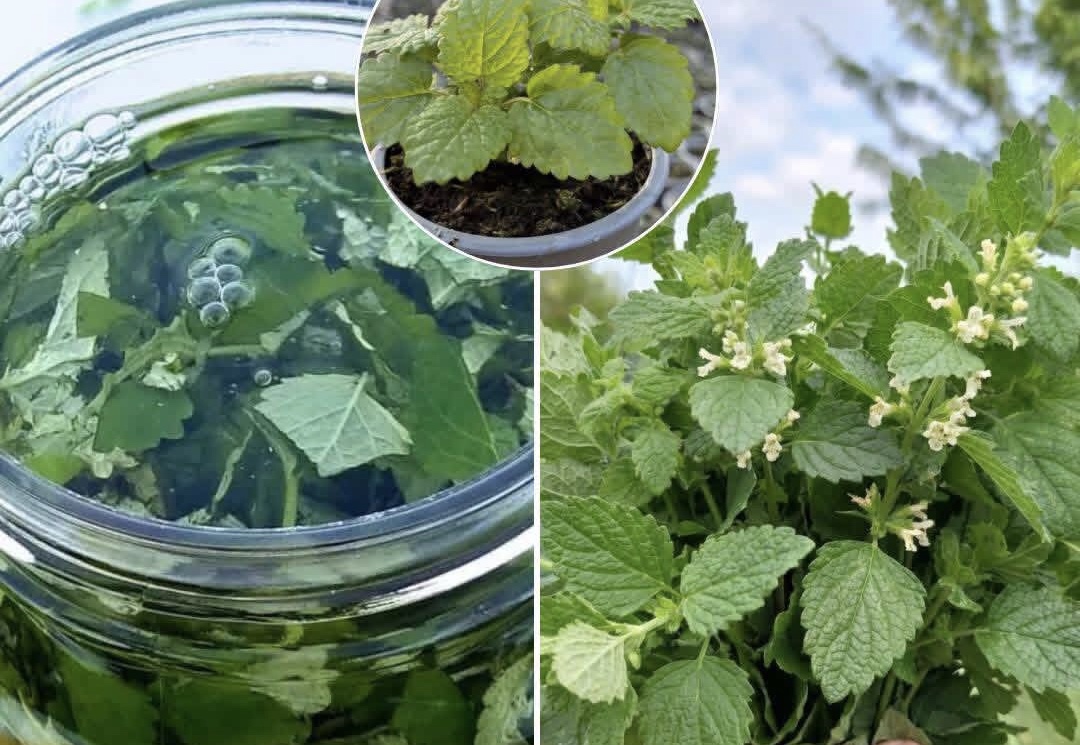
The post going around is right about one thing: a single lemon balm plant really can do a lot. The photo shows a big bunch of fresh lemon balm with its little white flowers, a potted seedling, and a jar of lemon balm leaves steeping in water. The headline says “A single lemon balm plant can do a lot for your garden – Here are 12 reasons lemon balm deserves a spot in every garden.”
It is one of the easiest, most generous herbs you can grow. It smells like fresh lemon candy, comes back year after year, and the bees absolutely love it. Here are 12 real, garden-tested reasons to plant it, plus how to grow it without letting it take over.
1. It is one of the easiest herbs to grow
Lemon balm, Melissa officinalis, is a hardy perennial in USDA zones 4 to 9. Plant it once and it comes back every spring, bigger than before. It tolerates partial shade, poor soil, drought once established, and general neglect. Perfect for beginners.
2. Incredible lemon fragrance
Crush a leaf and you get a clean, bright lemon scent with a hint of mint. No actual lemons needed. Rub it on your hands after gardening, tuck sprigs in drawers, or add to homemade potpourri. It is one of the best smelling plants in the herb garden.
3. A pollinator magnet
When lemon balm flowers in midsummer, with those tiny white blooms you see in the photo, it is covered in bees from morning to evening. Honeybees, bumblebees, and native solitary bees all love it. Planting it near your vegetable beds helps boost pollination for tomatoes, cucumbers, squash, and fruit trees.
4. Great companion plant
The strong lemon scent is thought to help confuse pests in the vegetable garden. Gardeners traditionally plant lemon balm near brassicas, tomatoes, and squash to help mask host plants. It will not eliminate pests on its own, but as part of a diverse planting it is a useful companion.
5. Endless fresh tea
This is what most people grow it for. Fresh lemon balm tea is bright, citrusy, and caffeine-free. Use a handful of fresh leaves per mug, pour over hot water, steep 5 to 7 minutes. Serve hot or iced with a slice of lemon. It is a classic calming evening herbal tea in Europe.
Note: Lemon balm is a traditional herbal tea, not a medicine. If you are pregnant, nursing, have a thyroid condition, or take sedative medications, talk to your doctor before using lemon balm regularly in large amounts.
6. Fantastic in the kitchen
Chop fresh leaves finely and use like lemon zest. It is great in fruit salads, yogurt, iced tea, lemonade, salad dressings, pesto, and baked goods. Add it at the end of cooking, heat dulls the flavor. Try lemon balm simple syrup for cocktails and mocktails, or freeze leaves in ice cubes for summer drinks.
7. Fast growing and super productive
A single plant, like the small potted one in the photo, will give you 3 to 4 big harvests in one season. Cut it back to 4 inches tall and it regrows in 3 weeks. One plant easily supplies a family with fresh tea all summer.
8. Natural garden mulch and compost booster
All those extra leaves you cannot use in the kitchen make great green matter for the compost pile. Lemon balm breaks down fast and adds nitrogen. You can also chop leaves and drop them as mulch around other plants.
9. Beautiful and tidy with a little care
Left alone, lemon balm gets bushy and flowers with delicate white spikes that look great in cottage gardens and pollinator borders. Regular harvesting keeps it compact and leafy, about 18 to 24 inches tall.
10. Container friendly
This is the best way to grow it if you are worried about spreading, see point 12. Lemon balm thrives in pots on a balcony, patio, or kitchen windowsill. A 10 to 12 inch pot with drainage holes is perfect for one plant. Container plants stay smaller and are easy to move into sun.
11. Easy to dry and store for winter
Harvest before flowering for the strongest lemon flavor. Tie small bunches and hang upside down in a dark, airy spot for 7 to 10 days, or dry at 95°F / 35°C in a dehydrator. Store crumbled dried leaves in an airtight jar away from light. Dried lemon balm keeps good flavor for about 1 year, perfect for winter tea.
12. It is a perennial that pays you back
Unlike basil that you replant every year, lemon balm comes back stronger each spring. A $3 seedling can give you pounds of fragrant leaves for 10+ years. It is one of the best value plants in the entire garden.
How to Grow Lemon Balm
Sun: Full sun to partial shade. In hot climates, afternoon shade keeps leaves tender and prevents bitterness.
Soil: Any well-draining soil. It is not fussy. pH 6.0 to 7.5 is ideal.
Water: Water regularly until established. Once mature, it is quite drought tolerant. Water when the top inch of soil is dry.
Planting: Start from a nursery seedling, it is faster and more reliable than seed. Space plants 18 to 24 inches apart.
Harvesting: Snip stems in the morning after dew dries, for best oil content. Never take more than 1/3 of the plant at once. Regular cutting prevents flowering and keeps leaves soft and lemony. Once it flowers, leaves get slightly bitter.
Fertilizer: Almost none needed. Too much nitrogen reduces the essential oils that give it flavor. A light compost top-dress in spring is plenty.
The One Warning: It Can Spread
Lemon balm is in the mint family, and like mint, it can self-seed enthusiastically. If you let it flower and drop seed, you will find baby lemon balm everywhere next spring.
Three easy ways to control it:
1. Grow in a pot, the simplest solution
2. Cut flower stalks off before seeds mature
3. Mulch heavily around in-ground plants to suppress seedlings
It spreads by seed, not by underground runners like true mint, so it is much easier to control. Just deadhead, and you are fine.
Lemon balm is fragrant, productive, pollinator-friendly, delicious in tea and cooking, and practically impossible to kill. For a low-effort, high-reward herb that comes back every year, it really does deserve a spot in every garden. Plant one in a pot this spring and you will be harvesting fresh lemon tea leaves within 6 weeks.