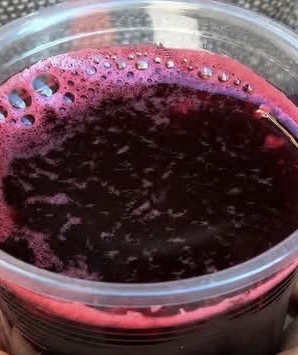
The photo shows a dark red-purple juice in a plastic cup with the text: “Drink this for three days and you’ll notice the change: zero cholesterol, zero arthritis, zero fatigue. I’ll give you the recipe for a simple OK.”
That drink is almost certainly beet juice. It is popular, nutritious, and worth drinking if you like the taste. But no juice gives you “zero cholesterol, zero arthritis, zero fatigue” in three days. That is not how the human body works.
Here is what beet juice really does, how to make it safely, and why those claims are false.
What Is in the Cup
Based on the deep magenta color and foam on top, this is fresh beetroot juice. Sometimes it is mixed with apple, carrot, lemon, or ginger, but the base is beets. Beets are high in nitrates, folate, manganese, potassium, and antioxidants called betalains that give them that color.
One cup of beet juice has about 100 calories, 0g fat, and 24g carbs, mostly natural sugars. It is not a “zero calorie” or “detox” drink. It is a vegetable juice.
The Claims in the Image, Fact-Checked
1. “Zero cholesterol” in 3 days
False. Dietary cholesterol and blood cholesterol are different. Your liver makes most of your blood cholesterol. Beet juice contains no cholesterol because it is a plant, but drinking it for 3 days will not erase cholesterol from your blood.
Studies show that long-term dietary patterns with lots of vegetables, fiber, and less saturated fat can help lower LDL cholesterol over weeks to months, not days. A single food or juice does not zero out cholesterol. If you have high cholesterol, talk to your doctor about proven approaches: diet, exercise, and medication if needed.
2. “Zero arthritis” in 3 days
False. Arthritis is inflammation and wear in the joints. It has many causes, from autoimmune disease to age-related cartilage breakdown. No drink cures it in 3 days.
Beets do contain anti-inflammatory compounds called betalains, and some people with osteoarthritis report less stiffness when they eat more anti-inflammatory foods over time. But that is gradual, not instant, and it is not a cure. For arthritis pain, see a rheumatologist or your doctor for evidence-based treatment.
3. “Zero fatigue” in 3 days
Misleading. Beet juice is high in nitrates, which your body converts to nitric oxide. Nitric oxide relaxes blood vessels and can improve blood flow and oxygen delivery. Several studies in athletes show beet juice can improve endurance during exercise. That is real.
But “zero fatigue” is not realistic. Fatigue has dozens of causes: poor sleep, anemia, thyroid issues, depression, dehydration, medication side effects. One juice will not fix all of them in 3 days.
If you have ongoing fatigue, see a doctor to find the cause. Do not self-diagnose with juice.
Real, Evidence-Based Benefits of Beet Juice
1. Exercise performance: Multiple studies show 2 cups of beet juice, 2 to 3 hours before exercise, can improve stamina and reduce the oxygen cost of exercise. This is from nitrates. Athletes use it legally as a performance aid.
2. Blood pressure support: Dietary nitrates from beets can produce a modest drop in blood pressure, about 3 to 4 mmHg systolic, in some people. This effect appears within hours and lasts up to 24 hours. It is not a replacement for blood pressure medication, but it can be part of a heart-healthy diet. If you take blood pressure meds, talk to your doctor, because the combo can lower BP too much.
3. Nutrients: One cup gives you 34 percent of daily folate, plus potassium, manganese, and vitamin C. Good for general health.
Who Should Be Careful With Beet Juice
1. Kidney stones: Beets are high in oxalates. If you have a history of calcium oxalate kidney stones, large amounts of beet juice can increase stone risk. Ask your doctor.
2. Blood pressure medication: Because beets can lower blood pressure, combining with meds can cause it to drop too low. Check with your doctor first.
3. Beeturia: Harmless but startling. 10 to 14 percent of people get red or pink urine and stools after eating beets. It is just the pigment, not blood. But if it happens and you are not sure, call your doctor.
4. Blood sugar: Beet juice has natural sugar. If you have diabetes, count the carbs and check your glucose response. Whole beets with fiber are usually better than juice.
How to Make Fresh Beet Juice Safely
If you like beets and want to try the juice from the photo, here is a basic recipe. This is food, not medicine.
Ingredients for 2 servings:
– 3 medium raw beets, peeled
– 1 large apple, for sweetness
– 1-inch piece fresh ginger, optional
– 1/2 lemon, peeled
– 1 cup cold water, if using a blender
Juicer method: Feed beets, apple, ginger, and lemon through a juicer. Stir and serve over ice immediately.
Blender method: Chop beets, apple, ginger small. Blend with lemon juice and 1 cup water on high 60 seconds. Strain through a fine mesh sieve or nut milk bag. Press to get all the juice.
Drink 1 cup per day if you are new to it. Some people get stomach upset from too much at once. Store in the fridge up to 48 hours. It loses nitrates over time, so fresh is best.
The Bottom Line
Beet juice is a healthy vegetable juice. It can support exercise performance and blood pressure as part of an overall diet. It tastes earthy and sweet, and many people love it.
It will not give you “zero cholesterol, zero arthritis, zero fatigue in 3 days.” No single drink can. Those claims are marketing, not medicine.
If you want to improve cholesterol, joint pain, or fatigue, the proven steps are: eat a balanced diet with lots of plants and fiber, move your body regularly, sleep 7 to 9 hours, manage stress, and see your doctor for checkups and lab work. Use beet juice as a tasty part of that plan, not as a miracle cure.