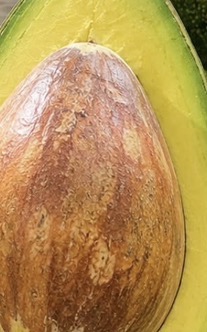
Avocados are widely celebrated for their creamy texture and impressive nutritional profile. While most people enjoy the soft green flesh and discard the large pit in the center, the avocado seed has gained attention for its potential health benefits and practical uses. Traditionally considered waste, this seed may contain valuable nutrients and antioxidants that make it worth exploring.
In this article, we’ll examine the nutritional value of avocado seeds, their possible health benefits, how to use them safely, and important precautions to consider.
What Is an Avocado Seed?
The avocado seed, also known as the avocado pit, is the large, hard kernel found in the center of the fruit. It accounts for approximately 13% to 18% of the entire avocado. Although commonly discarded, researchers have discovered that the seed contains various bioactive compounds, including antioxidants, fiber, and plant-based nutrients.
For centuries, some cultures have incorporated avocado seeds into traditional remedies and culinary preparations.
Nutritional Profile of Avocado Seeds
Avocado seeds are rich in several beneficial compounds. While nutritional composition may vary depending on the avocado variety, the seeds generally contain:
- Dietary fiber
- Antioxidants
- Polyphenols
- Flavonoids
- Healthy plant compounds
- Small amounts of essential minerals
One of the most notable characteristics of avocado seeds is their high antioxidant content. Antioxidants help protect cells from damage caused by free radicals, which may contribute to aging and various chronic conditions.
Potential Health Benefits of Avocado Seeds
Rich in Antioxidants
Research suggests that avocado seeds contain significant amounts of antioxidants, including phenolic compounds. These substances help combat oxidative stress and may support overall wellness.
Consuming antioxidant-rich foods can contribute to maintaining healthy cells and promoting long-term health.
High Fiber Content
Fiber plays an essential role in digestive health. Avocado seeds are particularly rich in dietary fiber, which may help:
- Support regular bowel movements
- Promote digestive health
- Encourage feelings of fullness
- Support healthy cholesterol levels
A fiber-rich diet is associated with numerous health benefits, including improved gut health and weight management.
May Support Heart Health
Certain compounds found in avocado seeds have been studied for their potential impact on cardiovascular health. The fiber and antioxidants present may help support healthy cholesterol levels and overall heart function when combined with a balanced diet.
However, more human studies are needed to confirm these effects.
May Have Antimicrobial Properties
Some laboratory studies have shown that avocado seed extracts possess antimicrobial activity. These findings suggest that compounds in the seed may help inhibit the growth of certain bacteria and fungi.
Although promising, further research is necessary to determine practical applications in human health.
How to Use Avocado Seeds
If you decide to experiment with avocado seeds, proper preparation is important.
Drying the Seed
Fresh avocado seeds are extremely hard and difficult to process. Many people choose to dry the seed first by:
- Removing the seed from the avocado.
- Washing it thoroughly.
- Allowing it to dry for several days.
- Baking it at a low temperature if desired.
Once dried, the seed becomes easier to grind.
Making Avocado Seed Powder
A common method is to grind the dried seed into a fine powder using a blender or food processor.
The powder can be added in small quantities to:
- Smoothies
- Juices
- Yogurt
- Oatmeal
- Homemade energy bars
Because avocado seed powder has a naturally bitter taste, it is typically combined with other ingredients.
Preparing Avocado Seed Tea
Some individuals prepare tea by simmering chopped or grated avocado seed pieces in water. The resulting beverage has an earthy flavor and is often consumed as part of traditional wellness practices.
Are Avocado Seeds Safe to Eat?
Safety remains an important consideration. Although avocado seeds contain beneficial compounds, scientific research regarding long-term human consumption is still limited.
Experts recommend moderation if consuming avocado seed products. Excessive intake may not be advisable until more comprehensive research becomes available.
Individuals who are pregnant, breastfeeding, have underlying medical conditions, or take medications should consult a healthcare professional before regularly consuming avocado seed products.
Other Uses for Avocado Seeds
Beyond culinary applications, avocado seeds can be used in several creative ways.
Natural Plant Dye
The seed produces attractive pink and reddish tones that can be used as a natural dye for fabrics and crafts.
Garden Compost
Avocado seeds can be composted, enriching soil with organic matter and reducing food waste.
Growing an Avocado Tree
Many gardening enthusiasts enjoy sprouting avocado seeds at home. With patience and proper care, the seed can develop into an attractive indoor plant or eventually become a tree in suitable climates.
Tips for Storing Avocado Seed Powder
To maintain freshness:
- Store powder in an airtight container.
- Keep it in a cool, dry location.
- Avoid exposure to moisture and direct sunlight.
- Refrigerate for extended storage if necessary.
Proper storage helps preserve flavor and quality.
Final Thoughts
Avocado seeds are often overlooked, yet they contain valuable nutrients and plant compounds that have attracted growing interest. Rich in fiber and antioxidants, they may offer several potential health benefits when consumed responsibly.
While early research is encouraging, additional human studies are needed to fully understand the safety and effectiveness of avocado seed consumption. Whether used in smoothies, teas, gardening projects, or natural crafts, avocado seeds provide an innovative way to reduce waste and make the most of this popular fruit.